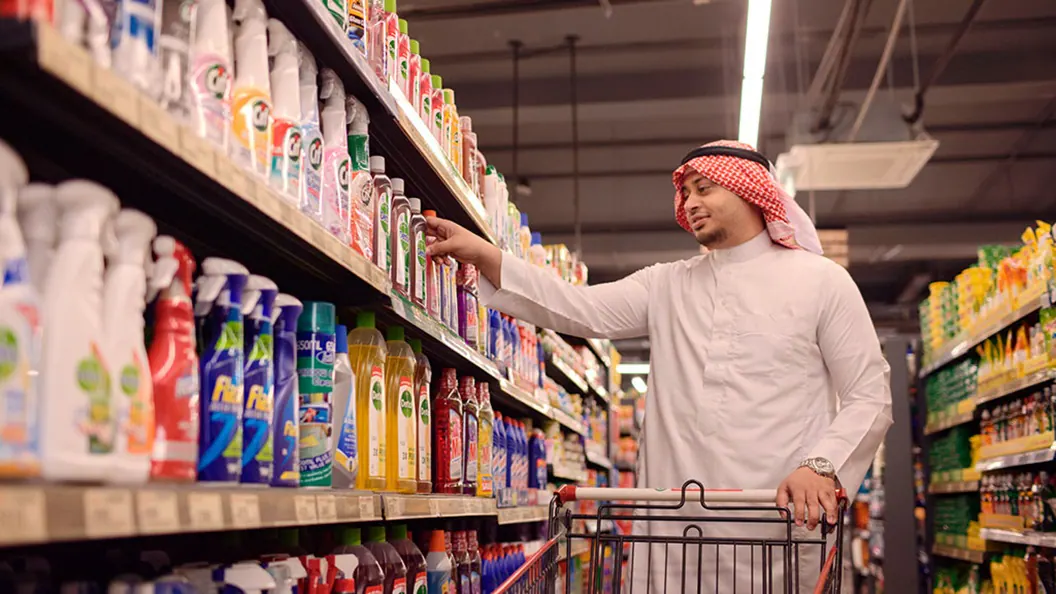
UAE and Saudi Arabia’s fast-moving consumer goods (FMCG) markets expanded 7% and 3.3% respectively in 2025, propelled by e-commerce penetration at 18% and soaring demand for snacks, health foods, and personal care amid resilient consumer spending. NielsenIQ data through Q3 shows UAE sales at AED 120 billion, with Saudi at SAR 450 billion, driven by 25 million online shoppers and inflation-adjusted disposable incomes rising 4%. Snacks captured 15% growth, fueled by Gen Z preferences for premium flavors like matcha and keto options in hypermarkets like Lulu and Carrefour.
Majid Al Futtaim and Alshaya Group expanded 200 stores, integrating AI personalization that lifted basket sizes 12%. “Digital channels now drive 22% of FMCG volume, with same-day delivery via Talabat and Noon,” NielsenIQ analysts reported, as private labels gained 8% share amid cost pressures. Saudi’s Vision 2030 retail strategy added 3.4 million sqm space, boosting accessibility in secondary cities where footfall rose 10%. UAE’s Expo 2020 legacy and tourism rebound to 20 million visitors amplified impulse buys in duty-free zones hitting $2 billion.
E-commerce platforms like Amazon.ae and Sary processed SAR 100 billion in groceries, with 40% mobile orders reflecting smartphone penetration at 95%. Sustainability trends pushed plant-based sales up 30%, aligning with net-zero pledges. Challenges include supply chain disruptions from Red Sea tensions, yet localization via Saudi’s 70% Saudization in retail mitigated. Fitch projects 5% CAGR to 2030, outpacing global 3%, as population growth to 75 million fuels volume. Retailers like Panda and Spinneys invest AED 5 billion in omnichannel, targeting 25% online share. Qatar and Kuwait mirror at 4-6% growth, underscoring GCC’s $300 billion FMCG powerhouse status amid economic diversification.