
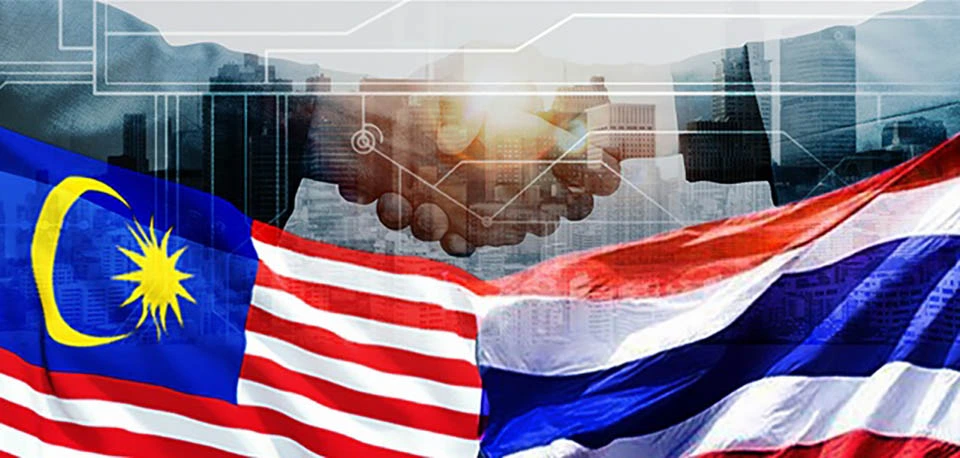
Malaysia and Thailand agreed to bolster joint cybersecurity efforts in banking. The pact emphasizes information sharing and capacity building. This responds to surging threats in Southeast Asia’s digital finance space. Banks face daily assaults from ransomware and phishing scams. Cross-border hackers exploit weak links in regional networks. The alliance aims to plug these gaps through real-time intelligence swaps.
Both countries host vibrant fintech scenes. Eight in ten locals embrace digital services soon. Yet, this boom amplifies risks for lenders handling vast data troves. Training programs form a core pillar. Experts from Bangkok and Kuala Lumpur will exchange skills. Joint drills simulate major breaches to test responses. Societe Generale’s new SEA head arrives amid this push. Alvaro Huete oversees secure trade finance flows. Cybersecurity underpins his growth plans.
Atome Financial’s rapid rise demands ironclad protections. Its $236 million income relies on trusted platforms. Breaches could erode user confidence overnight. ASEAN wide, five nations standardize instant payments. Secure rails prevent fraud in non-card transfers. Malaysia-Thailand leads by example. SeABank Vietnam’s profit leap shows strong fundamentals. Cyber resilience enables such gains in volatile markets. Local currency settlements expand between Indonesia, Malaysia, Thailand. Secure systems ensure smooth cross-border trades.
Challenges include talent shortages. The pact fosters a shared pool of experts. Governments pledge funding for advanced tools. Private sector input shapes the framework. Banks like Maybank and SCB contribute frontline insights. As threats evolve with AI, collaboration proves vital. This duo sets a model for wider ASEAN ties. Financial stability hinges on collective vigilance.