
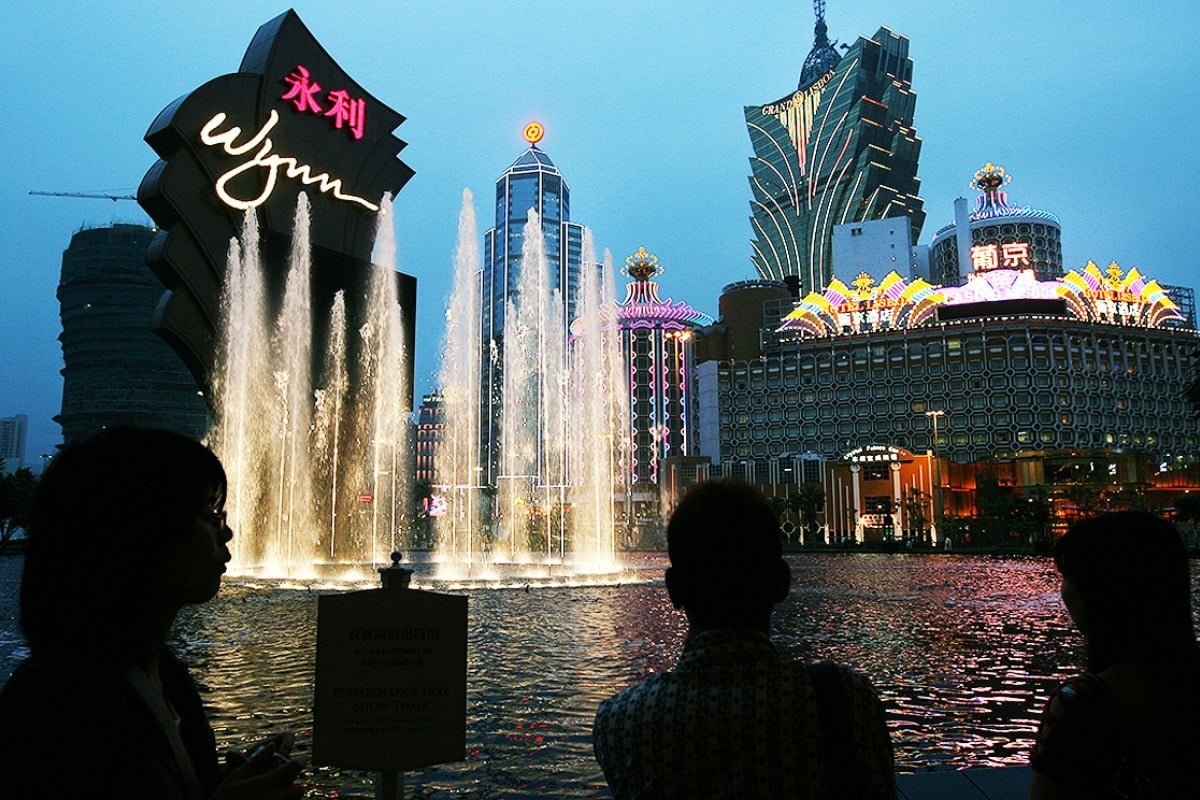
China’s iron fist on junket lending forces Macau’s casino barons to rethink their playgrounds. New laws bar promoters from extending credit, funneling that duty to concessionaires alone and slashing their clout. Galaxy Entertainment and Wynn Macau, limited to five junkets each, now hustle families with theme parks and shows to fill revenue gaps.
The 2022 Gaming Law rewrote the script: junkets earn slim 1.25 percent on turnover, tied to one casino, no more lavish VIP salons. Beijing’s oversight, layered since 2021, demands joint liability for promoter debts, scaring off wild cards. Operators like Melco pour billions into concerts—think K-pop stars drawing 20,000 fans—while Sands China expands malls teeming with luxury brands.
Picture a father from Shenzhen, kids in tow, skipping baccarat for Broadway revues. That’s the new Macau normal, where non-gaming draws 40 percent of resort income. Executives swap suits for showbiz deals, courting Taylor Swift promoters amid junket woes. Shares waver, but diversified bets cushion the blow.
Regulators stand firm, capping total junkets at 50 amid a promoter purge from 235 operators a decade ago. Sands and SJM hold strongest with 12 allies each, yet all face Beijing’s gaze on cross-border flows. “Credit curbs killed the old model,” a Wynn manager confided at industry forums, praising mass-market resilience. Tourism rebounds, with 25 million visitors projected this year, mostly middle-class mainlanders. Casinos retool VIP floors into open gaming zones, blending high and low. If non-gaming hits 50 percent of earnings by 2027, today’s pivot becomes legend. For now, operators navigate the squeeze, turning gamble dens into family empires.