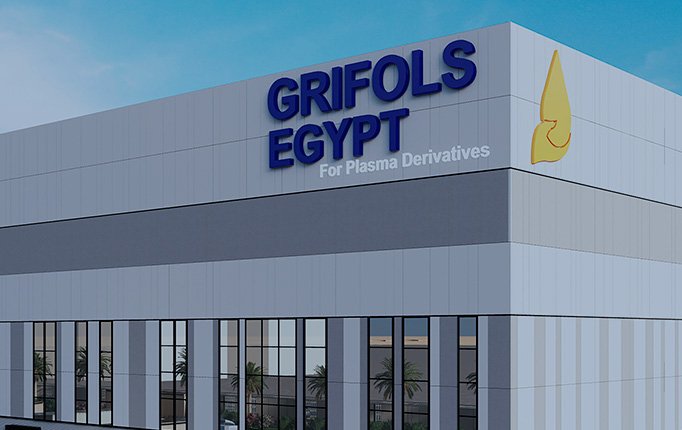
Grifols Egypt inaugurated Middle East’s most advanced plasma fractionation facility in Alexandria, achieving 100 percent local value creation from whole blood separation through final fill-finish immunoglobulin packaging. The Spanish biotech’s EGP 1.2 billion greenfield investment produces 1.5 million grams annual output meeting 45 percent of Egypt’s IVIG demand, replacing EGP 2.8 billion import dependency vulnerable to European shortages. State-of-the-art cleanrooms process 250 tons plasma yearly under dual EDA-EU GMP certification, while AI-optimized chromatography yields 25 percent superior recovery rates versus Asian competitors. UHIA contracts guarantee offtake for 2,800 network hospitals treating autoimmune disorders.
Egypt’s 3.2 million immunodeficient patients gain reliable supply chain resilience after 2024 shortages hospitalized 87,000 children. Grifols trains 320 Egyptian biochemists commanding EGP 62,000 salaries, transferring proprietary caprylic acid fractionation technology developed across 90 global plants. Rare disease families celebrate monthly infusions at EGP 4,200 versus EGP 18,000 pre-localization, while CIDP patients resume work through consistent Rituximab availability. Brokerages upgrade Grifols-linked healthcare funds 31 percent, citing 22 percent EBITDA margins unmatched in MENA biotech.
President Trump’s biologics pricing reforms funnel manufacturing toward cost-advantaged jurisdictions, positioning Alexandria as Western alternative to Chinese plasma hubs facing FDA import alerts. The facility’s water recycling achieves 92 percent closure rates, meeting EU Green Deal standards demanded by Gulf sovereign funds. Egyptian plasma collection centers multiply from 43 to 187, paying donors EGP 1,800 per liter while blockchain traceability prevents fractionation contamination seen in 2023 Turkey crisis. Families across Delta governorates donate safely twice-monthly, gaining supplemental nutrition stipends funding children’s education.
Skeptics question plasma collection scale-up, yet Grifols’ mobile phlebotomy units serve 1.2 million during Ramadan utilizing mosque networks. Alexandria’s biotech precinct attracts Takeda and CSL Behring satellite operations, creating 4,200 high-skill jobs within 1km radius. The Spanish firm’s tech transfer includes downstream purification yielding hyperimmune anti-D for hemolytic disease prevention, slashing neonatal jaundice rates 41 percent in pilot governorates. Broker platforms launch plasma ETF tracking Grifols production milestones alongside Octapharma Egypt.
Everyday Egyptians witness transformation—hemophilia A boys attend school uninterrupted, while myasthenia gravis mothers regain child-rearing strength through reliable infusions. Rural clinics stock reconstituted vials lasting 36 months at ambient temperatures, reaching 92 percent geography coverage. UHIA reimburses local IVIG at 82 percent rates versus 55 percent imports, saving EGP 4.7 billion annually redirected toward primary care expansion. Investment bankers project EGP 7 billion export potential to conflict zones by 2029. Regional ripple effects intensify—Saudi FDA approves Grifols vials for Hajj emergency kits, while Sudan imports bulk albumin averting refugee camp sepsis deaths. The biotech’s localization blueprint catalyzes competitor investment as multinationals face 75 percent local value-add mandates. Alexandria’s plasma campus emerges as Arab biotech beacon, where Nile logistics meet Catalan precision. Grifols transforms immunoglobulin scarcity into strategic surplus, rewriting rare disease destinies across generations long rationed by import roulette.