Gulf Bank of Kuwait has reported a 2025 net profit of KD 52.4 million, a modest year‑on‑year decline that still underscores the lender’s solid franchise as it embarks on a transformative shift to fully Islamic banking. Operating income for the year reached KD 188.9 million, down 5.2 per cent from 2024, while operating profit before provisions fell 11.4 per cent to KD 94.6 million. Management attributed the softer operating numbers to higher funding costs and a more cautious approach to risk amid rising global uncertainty. Even so, the board proposed a cash dividend of 9 fils per share and a 5 per cent bonus share distribution, signalling confidence in the bank’s capital strength and earnings capacity.
Beneath the headline profit, the balance sheet continued to expand. Total assets rose 2.9 per cent over the year to KD 7.7 billion, reflecting steady loan growth and a conservative investment book. Net loans and advances jumped 7.2 per cent to KD 5.9 billion, while customer deposits increased 2.2 per cent to KD 5.7 billion, indicating that the bank is still attracting funding despite intense competition in the Kuwaiti market. Asset quality remains a clear bright spot: the non‑performing loan ratio stood at just 1.1 per cent at end‑2025, with a robust 370 per cent coverage ratio when collateral and provisions are included. Those metrics place Gulf Bank among the stronger credit profiles in the local system, helping to underpin investment‑grade ratings from major agencies.
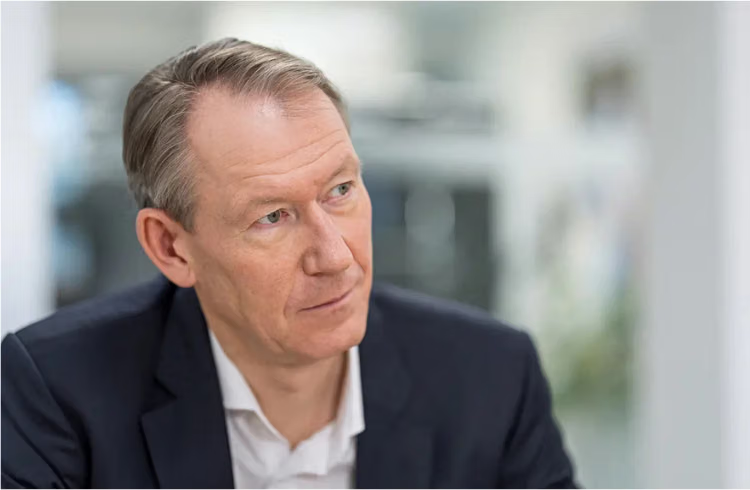
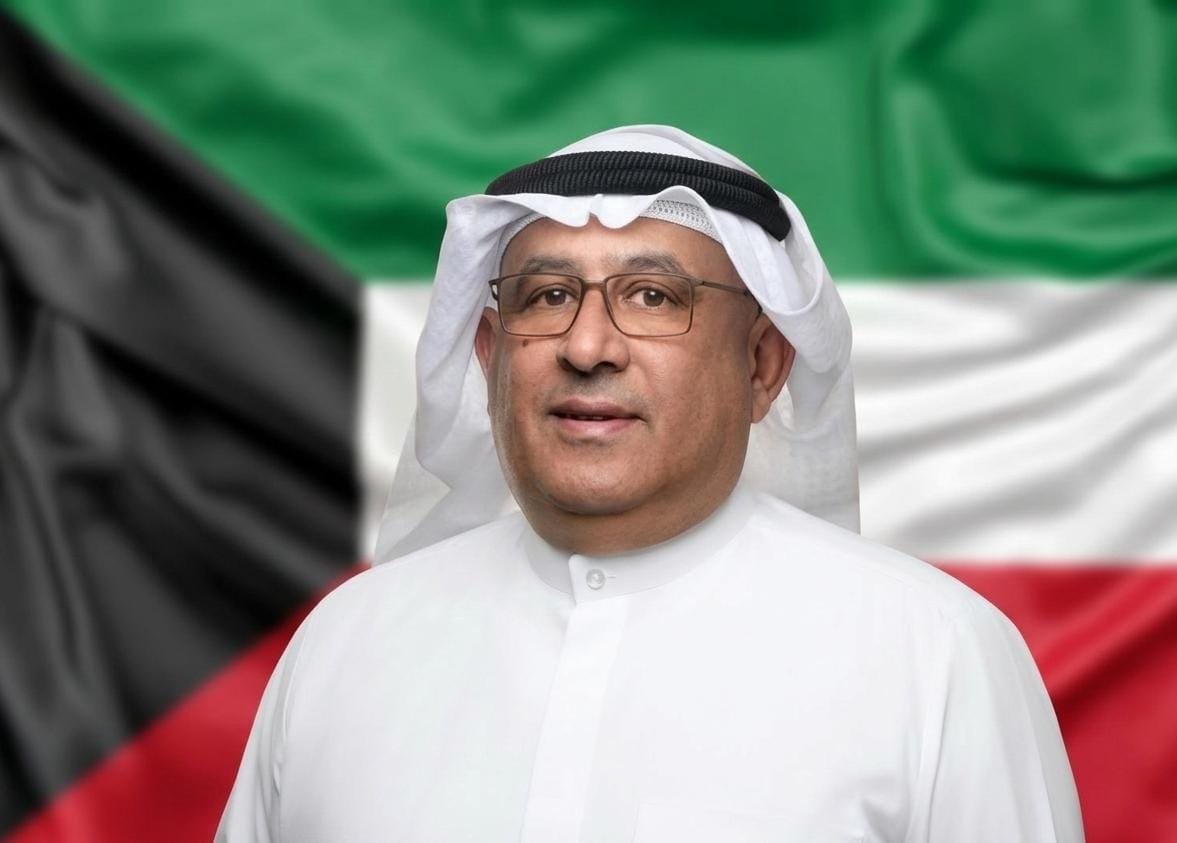
The real story, however, lies in strategy rather than last year’s numbers. During 2025, the Central Bank of Kuwait granted initial approval for Gulf Bank to proceed with a full conversion to a Sharia‑compliant operating model. Management has responded by launching a 2030 strategy that puts the Islamic shift at its core, promising to complete the transition within five years while accelerating growth in retail and corporate segments. Chief Executive Sami Mahfouz says the bank has already set up dedicated governance structures and cross‑functional teams to re‑engineer operations, legal frameworks, technology and product design for an Islamic model. That entails changes ranging from core banking systems to risk and profit‑sharing structures, as conventional interest‑based products are phased out and replaced. Gulf Bank is also exploring inorganic options alongside organic growth. Chairman Omar Al‑Bahar has confirmed that the bank continues to evaluate a potential merger with Warba Bank, one of Kuwait’s established Islamic lenders. A deal would instantly deepen Gulf Bank’s Sharia expertise and customer base, though it would also raise complex integration questions in governance and culture. For shareholders, the strategic bet is that a larger, fully Islamic Gulf Bank will be better placed to capture regional flows into Sharia‑compliant finance, which regulators and policymakers view as a pillar of Kuwait’s financial centre ambitions. With solid capital, low bad loans and a clear regulatory green light, the bank now has both the balance sheet and the mandate to attempt one of the most ambitious transformations in its history.