
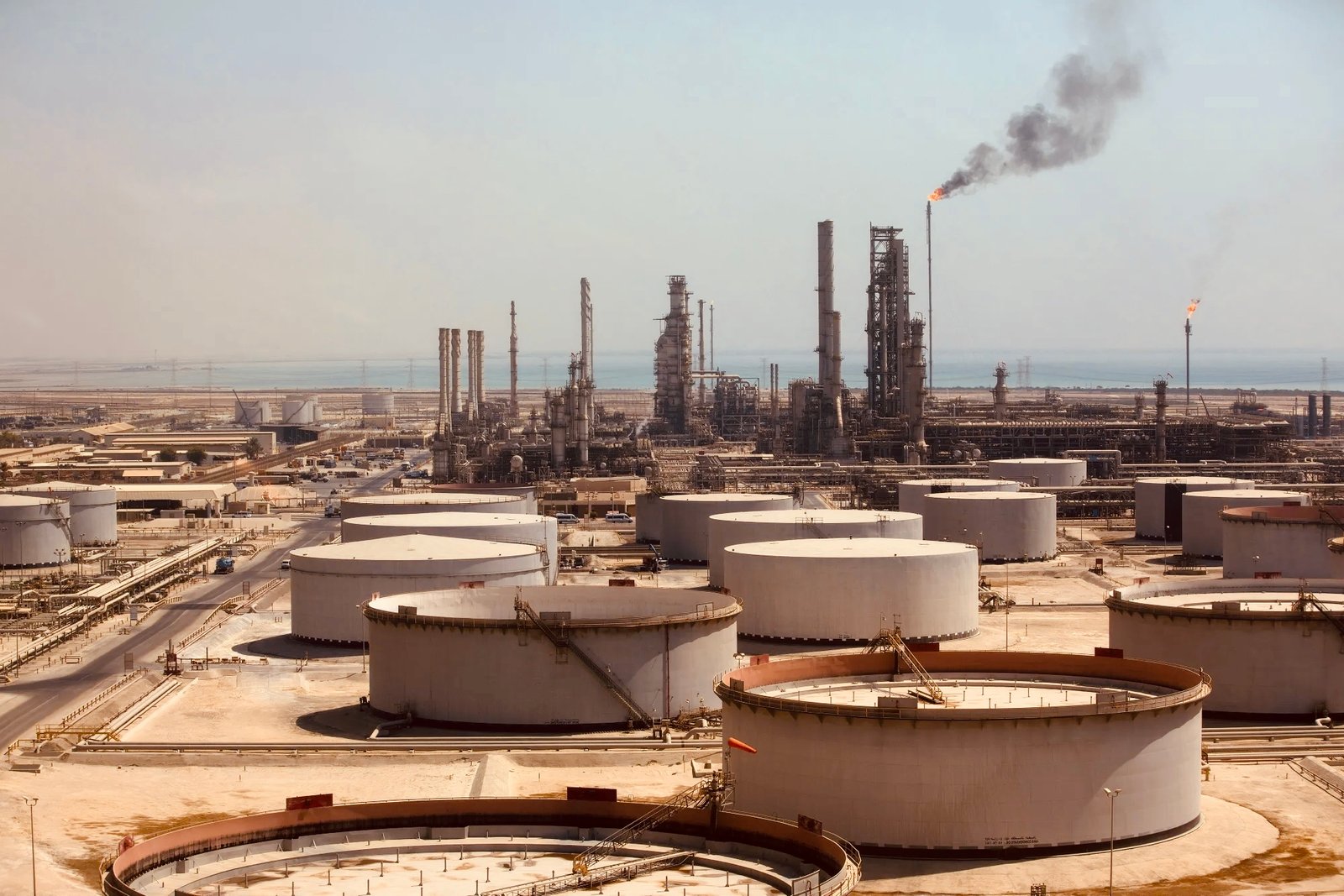
Saudi Aramco has suspended operations at its flagship Ras Tanura refinery after Iranian drones struck key infrastructure amid escalating Gulf conflict. The facility processes 550,000 barrels per day, representing 10 per cent of Saudi refining capacity. Aramco reported no casualties but extensive damage to distillation units and storage tanks. Repair timeline stretches to weeks, forcing crude diversions to domestic facilities. Global markets reacted with Brent spiking 8 per cent to $82.
The attack marks Iran’s boldest strike on Saudi energy since 2019 Abqaiq. Drones evaded Patriot defences, hitting precision targets during heightened alert. Aramco activated emergency protocols, evacuating 2,000 personnel. Production losses exceed 400,000 bpd immediately. Riyadh accuses Tehran of economic warfare aimed at maximum disruption.
Strategic implications cascade rapidly. Ras Tanura handles 20 per cent of Gulf crude exports through its vital terminal. Shutdown coincides with partial Hormuz blockade by Iranian naval forces. Aramco accelerates East-West pipeline flows to Yanbu on Red Sea coast, maximising 5 million bpd capacity. Iraq’s SOMO redirects Basrah Light cargoes via Kurdistan pipelines.
Downstream effects hit Asia hardest. Japan, South Korea face 15-day refined product shortages. Indian refiners scramble for spot cargoes from US Gulf Coast. Europe secures Urals discounts from Russia. US SPR releases provide temporary relief.
Aramco’s resilience shines through diversified infrastructure. Yanbu complex ramps to 1.4 million bpd processing. SATORP JV with TotalEnergies absorbs incremental crude. Company maintains 12 million bpd spare capacity pledge despite disruptions. Financial buffers exceed $200 billion cash reserves.
Government response escalates. Crown Prince Mohammed bin Salman convenes security council. Patriot batteries redeploy to eastern province. US deploys carrier strike group to Arabian Sea. Diplomatic channels through Oman seek de-escalation. Saudi markets dip 3 per cent; energy shares paradoxically gain 2 per cent.
Longer-term questions emerge. Conflict exposes vulnerability of Persian Gulf concentration. Saudi accelerates $100 billion gas expansion bypassing Hormuz. Aramco eyes Mediterranean export terminals via Red Sea routes. Regional LNG producers face similar dilemmas.
Global forecasts adjust sharply. Standard Chartered raises Brent 2026 average to $70 from $63. Goldman Sachs warns India supply chains face 20 per cent cost inflation. OPEC+ maintains discipline despite upward pressure.
For Aramco, operational continuity remains paramount. Engineers work 24/7 assessing drone damage extent. Temporary floating storage secures 50 million barrels. Shareholder dividends hold firm at $80 billion annual run-rate. This incident underscores energy security’s renewed primacy. Gulf producers built fortress infrastructure post-2019. Yet asymmetric threats persist. Global consumers confront reality of 40 per cent oil transit vulnerability. Saudi determination to maintain swing producer status faces ultimate test.