
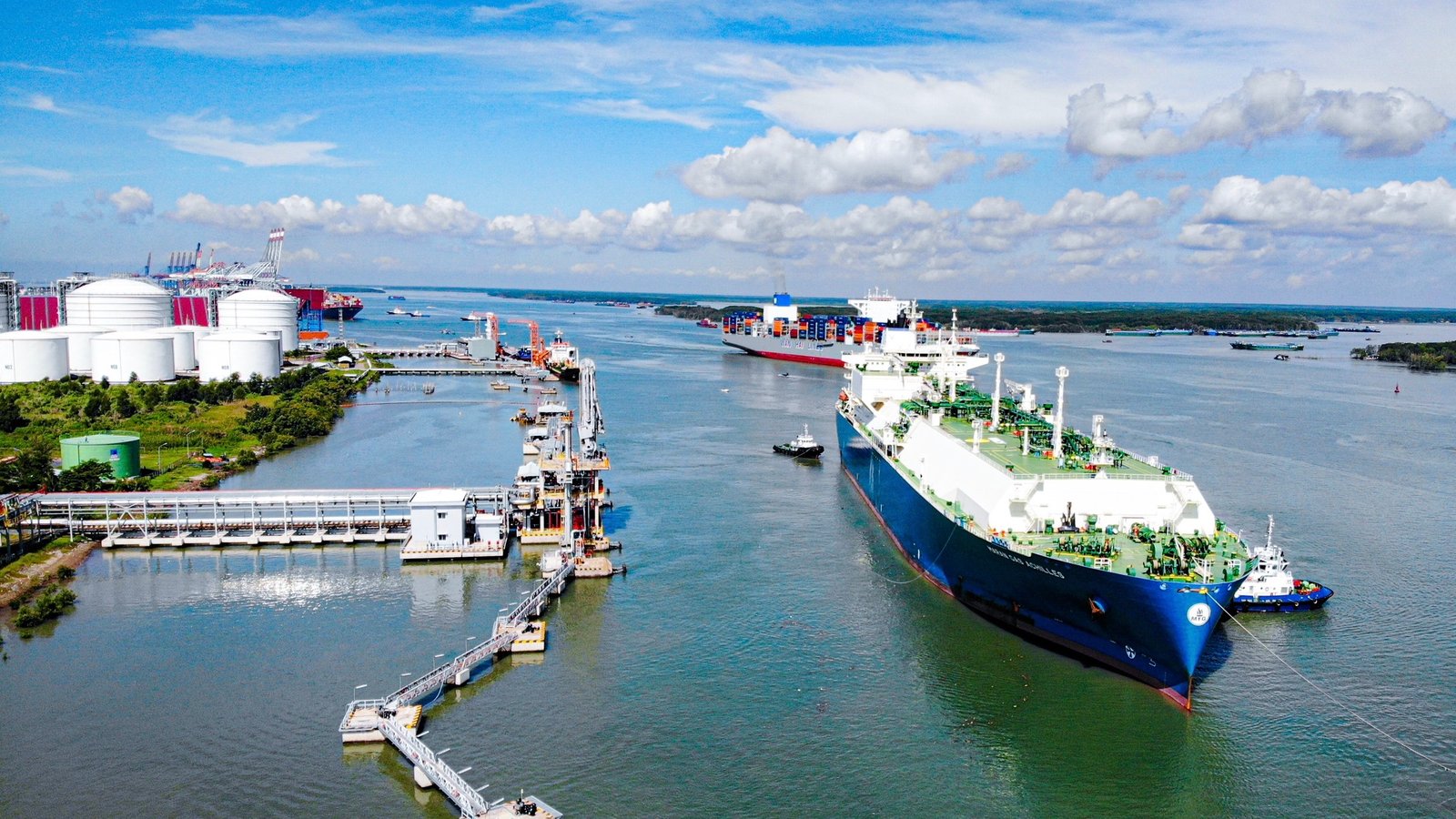
PetroVietnam Gas (PV Gas) has successfully received Vietnam’s first LNG cargo of 2026, a 63,000‑tonne shipment that navigated the Strait of Hormuz just days before Iranian forces tightened their blockade. The tanker arrived at Thi Vai terminal near Ho Chi Minh City after a tense 25‑day voyage from Qatar, underscoring Hanoi’s growing vulnerability to global energy disruptions.
The cargo, sourced from QatarEnergy, will feed power plants and industrial users facing acute gas shortages. Vietnam’s LNG imports must triple to 15 million tonnes per annum by 2030 to meet 8 per cent annual electricity demand growth. Domestic fields decline 10 per cent yearly. Thi Vai’s 1 Mtpa capacity runs at 95 per cent utilisation.
Timing proved critical. Iran’s partial Hormuz closure halted 15 million bpd crude and 20 per cent global LNG. Spot LNG prices spiked US$3/MMBtu. PV Gas chartered the vessel at premium rates, paying 20 per cent above benchmark. Cargo value exceeded US$50 million.
Vietnam accelerates LNG infrastructure. Thi Vai expansion adds 3 Mtpa by 2028. Cai Mep terminal breaks ground Q2 2026. Southern power demand surges from manufacturing FDI and data centres. Government targets 15 per cent gas‑fired capacity by 2030.
Geopolitical risks reshape strategy. Hanoi diversifies suppliers to US, Australia and Mozambique. Spot market exposure capped at 30 per cent portfolio. Long‑term contracts with QatarEnergy, ExxonMobil secure 8 Mtpa through 2035.
Domestic challenges persist. Thi Vai communities protest expansion over safety fears. Power shortages cost US$2 billion yearly. Coal imports compete for port capacity. Renewables reach 25 per cent but face grid constraints.
PV Gas responds with hybrid solutions. 500 MW Thi Vai gas turbine online Q3 2026. Floating storage regasification units bridge capacity gaps. Blockchain‑based cargo tracking enhances transparency.
Regional context amplifies stakes. Thailand’s Map Ta Phut terminal faces delays. Indonesia prioritises domestic market obligation. Philippines imports double amid Malampaya decline.
Analysts applaud timing. Wood Mackenzie upgrades PV Gas credit outlook. Citi forecasts 12 per cent EBITDA growth. Cargo secures Q2 power contracts worth US$150 million.
Vietnam’s energy security hangs in balance. Hormuz success buys time but exposes import dependence. Government fast‑tracks 10 GW renewables. LNG remains bridge fuel through 2035. PV Gas emerges as regional LNG trader, chartering excess cargoes to Philippines and Thailand.