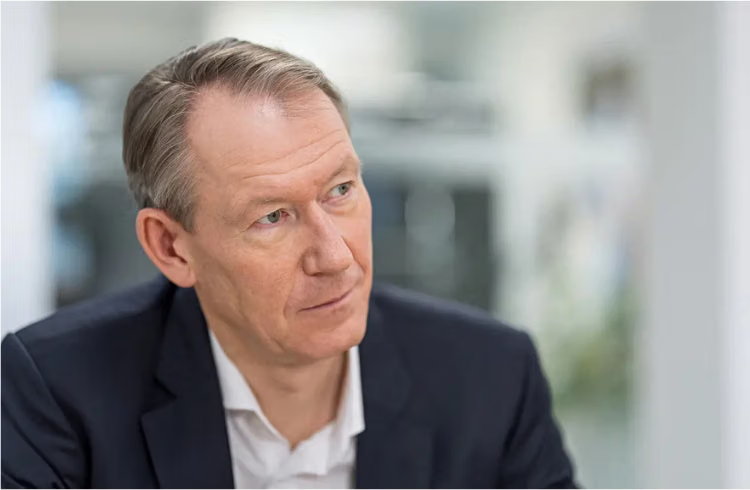
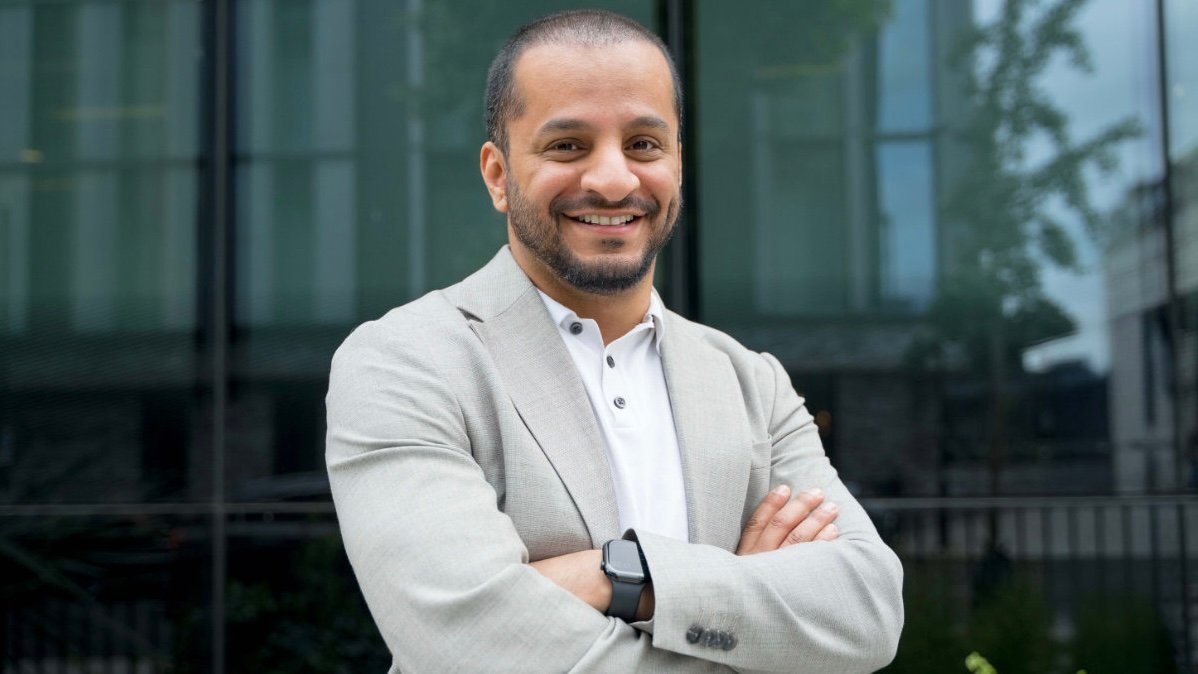
UK-Qatar healthtech startup Rhazes AI has launched a pioneering pilot deploying clinical AI scribes at Al Hamshari Hospital in southern Lebanon, the first structured trial in a conflict-zone humanitarian setting. Serving Palestinian refugees from Ein el Hilweh camp, the August-November 2025 trial tests AI’s ability to ease administrative overload amid extreme patient volumes.
Rhazes’ agentic AI provides end-to-end support: real-time consultation transcription, diagnostic reasoning, evidence-based plans and automated documentation including summaries, admission notes and billing codes. In under-resourced environments where doctors spend 60 percent time on paperwork, the tool targets 50 percent admin reduction, enabling 30 percent more consultations daily.
Al Hamshari, near Lebanon’s largest Palestinian camp, manages 5,000 monthly visits with 12 doctors. Conflict surges increase loads 200 percent; Rhazes addresses physician burnout through Arabic/English multilingual processing and offline capabilities. The non-randomised controlled trial measures documentation time, decision confidence and patient throughput.
For Middle East healthcare, this deployment proves AI viability in high-stress, low-resource settings. Traditional EHR systems fail in refugee care; Rhazes’ lightweight platform runs on standard laptops with 95 percent accuracy across dialects. Lebanon’s 1.5 million Syrian/Palestinian refugees strain public systems; scalable AI offers cost-effective scaling.
Rhazes, backed by Qatar Science & Technology Park, emphasises ethical AI with clinician oversight and data localisation. The pilot generates de-identified datasets for refugee health research while complying with GDPR and Lebanese regulations. Success metrics include 40 percent faster discharge and 25 percent diagnostic accuracy gains.
Challenges encompass connectivity gaps and clinician trust. Rhazes mitigates with edge computing and 30-day training protocols achieving 90 percent adoption. Integration with WHO refugee health protocols ensures standardised outputs.
Regional implications extend to Gaza, Syria and Yemen. Positive results could deploy across 500 MSF/UNRWA facilities, creating 1 million annual consultations. Investors eye $500 million humanitarian AI market; Rhazes positions as conflict-zone leader.
Al Hamshari doctors report 45 percent time savings, redirecting efforts to complex cases like chronic diseases prevalent in camps. AI flags drug interactions and protocol deviations, reducing errors 35 percent.
The pilot validates Rhazes’ thesis: agentic AI outperforms narrow transcription tools through contextual reasoning. Future modules target triage, radiology and pharmacy workflows.
For overstretched Middle East providers, Rhazes demonstrates technology’s humanitarian impact. As trial data emerges, the startup eyes scale across UNHCR networks, transforming refugee care delivery. This Lebanon deployment proves AI bridges resource gaps where human capacity alone fails.