
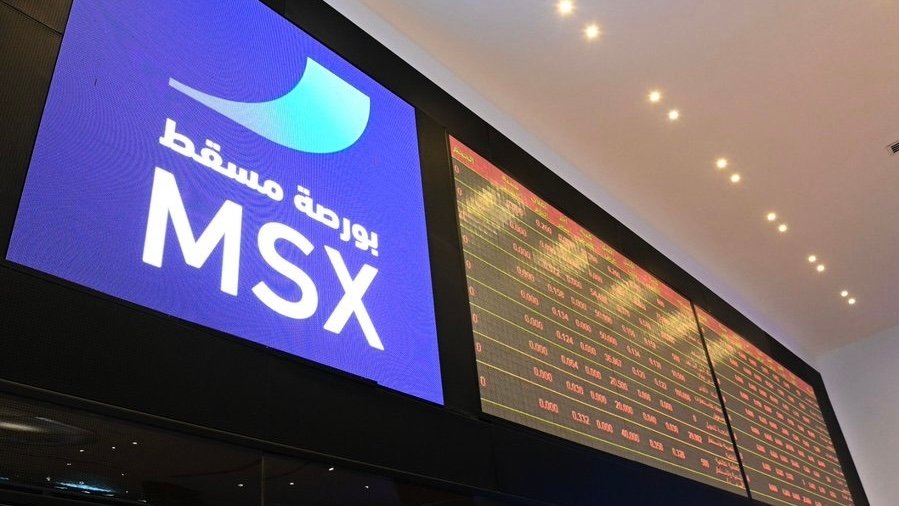
Oman’s banking sector has continued to strengthen, with total credit expanding and listed banks posting higher profits in the first half of the year. The latest figures show a system that is growing at a steady pace rather than a dramatic one, but that steadiness is exactly what matters for a country trying to support diversification and non-oil growth.
According to the Central Bank of Oman, total credit rose 8.4 percent year on year to 34.1 billion Omani rials, or $88.7 billion, by mid-year. Private sector lending increased 6.6 percent to 28 billion rials, with non-financial corporations accounting for 45.9 percent of the total and households making up 44.2 percent. That split suggests that lending is being used both to support businesses and to meet consumer demand, which helps the wider economy move more evenly.
Deposits also strengthened, rising 7.6 percent to 33 billion rials by June. A healthy deposit base matters because it gives banks room to lend without stretching funding levels too far. It also shows that customers and companies continue to trust the banking system, even as the broader regional environment remains cautious.
The profit picture is equally encouraging. Listed banks in Oman reported net profits of 144.3 million rials in the first quarter of 2026, up 10.2 percent from the previous year. Bank Muscat led the pack, while Sohar International posted one of the strongest gains among the lenders reporting results. The gains were supported by stronger lending, higher deposits and rising government spending.
That mix is important because it shows how the banking sector is benefiting from both private and public demand. Government spending can create financing opportunities for projects and contractors, while business borrowing supports expansion in trade, industry and services. In Oman’s case, that matters because the country is trying to deepen non-oil growth and build a more resilient economic base.
The numbers also fit a broader trend in the Sultanate’s financial system. Credit growth has been steady over time, and the latest data suggest that conventional banks are continuing to expand their balance sheets without losing discipline. That kind of measured growth is usually healthier than a short-term lending surge because it reduces the risk of overheating.
There are still challenges, of course. Oman’s economy remains smaller than some of its Gulf peers, so banks must balance growth with conservative risk management. But the current results suggest the sector is in a good position. Listed banks are profitable, deposits are rising and credit demand remains intact.
For investors and businesses, the message is that Oman’s banking system is becoming more supportive of domestic activity while staying stable. That makes it an important part of the country’s economic diversification strategy, especially as government and private-sector spending continue to shape the next phase of growth.