
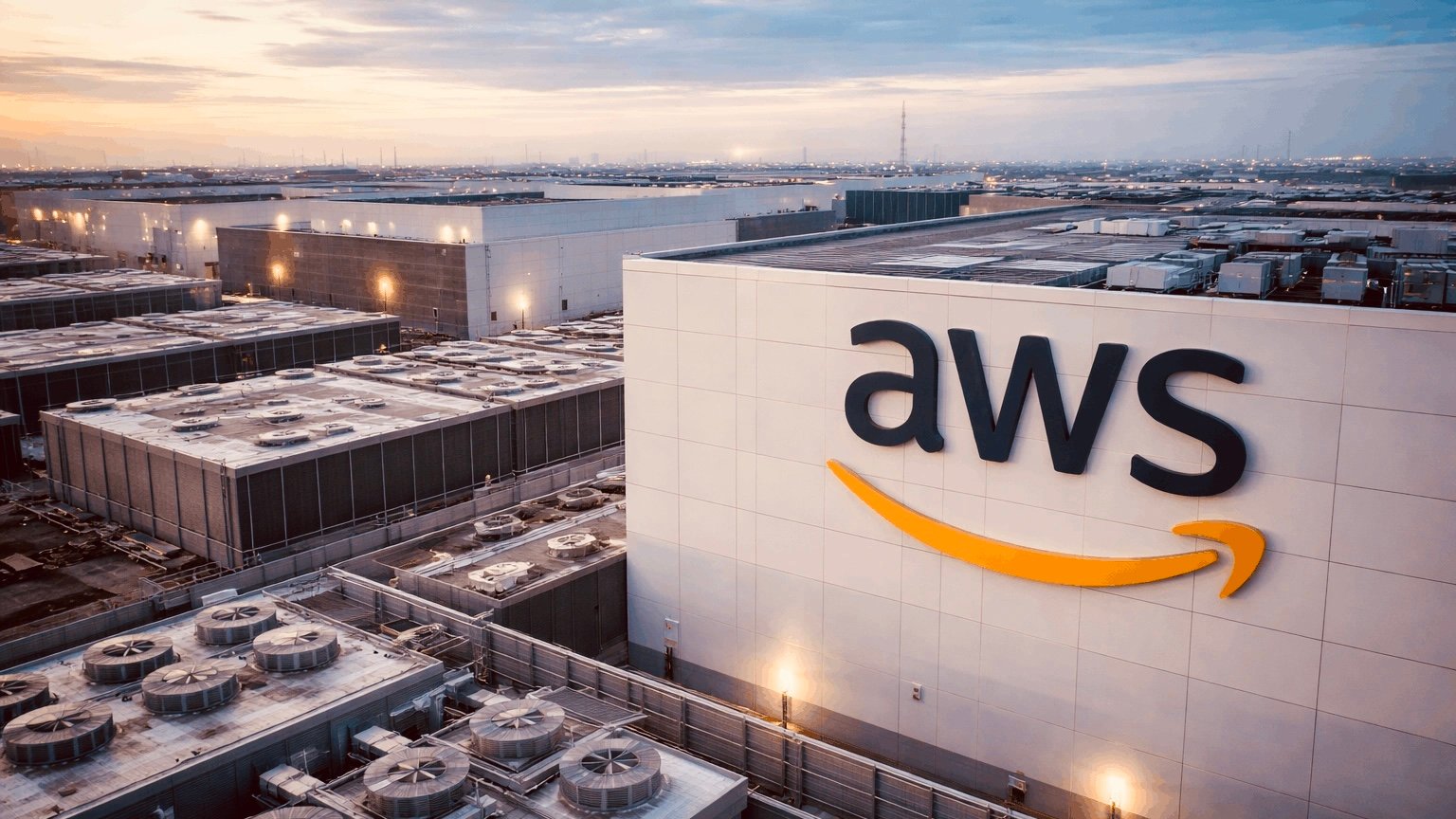
Amazon Web Services’ disruption in the UAE and Bahrain has become one of the clearest reminders yet that cloud computing is still tied to physical infrastructure. The outage, triggered after objects struck AWS facilities in the UAE and caused related power and connectivity issues in Bahrain, temporarily knocked out services across a region that depends heavily on cloud uptime. For companies in the Middle East, the episode turned resilience from a technical concept into a board-level issue.
The incident affected two availability zones in the UAE and one data centre in Bahrain, with AWS warning customers that recovery could take at least a day. That timeline mattered because the outages were not brief service interruptions; they exposed the dependence of financial institutions, digital platforms and enterprise systems on a small number of critical cloud nodes. In one of the most connected parts of the Gulf, a localized physical incident quickly became a regional business problem.
Reuters reported that the affected AWS operations were linked to broader regional conflict, and the event sparked immediate concern among banks and companies that rely on Amazon’s cloud platform. Abu Dhabi Commercial Bank said its mobile app and platforms were inaccessible during the disruption, illustrating how cloud failures can quickly reach end users. That kind of visibility is why the outage resonated beyond the tech sector. It showed that cloud resilience is not only about IT continuity; it is also about customer trust, payments, compliance and operational continuity.
The bigger lesson for Middle East technology companies is that geography now matters as much as architecture. Enterprises often design for software failures, but the AWS episode showed that physical threats can still take down digital services. Analysts and infrastructure specialists have since urged companies to conduct “blast radius” audits, mapping which workloads sit in which region and whether failover actually works under real-world pressure. In practice, that means more multi-region redundancy, more remote backups and more serious disaster recovery planning.
The Gulf has become an important cloud market because it combines strong enterprise demand with large digitalisation programmes. But the outage also exposed the fragility of relying too heavily on a single region or availability zone in a geopolitically sensitive environment. For banks, fintech firms, logistics platforms and government services, cloud resilience is now tied directly to business continuity. A failure in one zone can interrupt transactions, reporting, customer access and internal workflows.
AWS has said it was making progress restoring services and advised customers to shift workloads away from the affected region. That guidance reflects a broader industry shift toward portability and geographic diversification. Companies that once treated disaster recovery as a back-office issue are now being pushed to view it as a core investment. The reputational cost of downtime, especially for customer-facing digital brands, is often higher than the technical cost of building redundancy. For the Middle East, the outage may become a milestone moment in cloud strategy. It has sharpened attention on where critical systems are hosted, how quickly they can move, and whether the region’s digital growth is keeping pace with its security assumptions. The market is unlikely to abandon cloud infrastructure, but the AWS incident will make buyers ask tougher questions before they sign the next contract.