
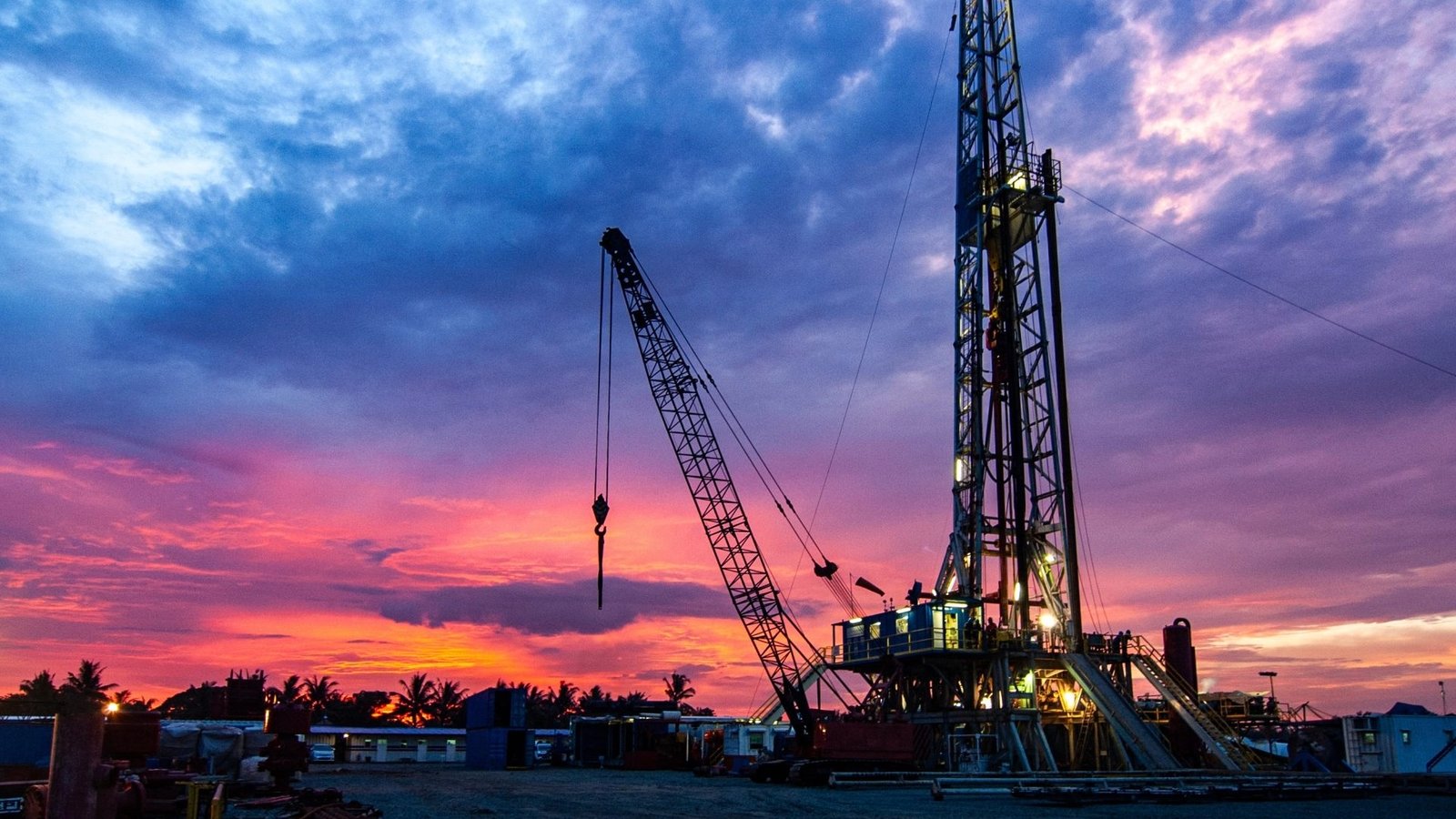
Arabian Drilling has won a contract worth $532 million to provide drilling services in Saudi Arabia, strengthening its position in the kingdom’s expanding gas industry. The award comes as Saudi Arabia continues investing in domestic energy capacity while seeking to meet rising demand for electricity, industry and economic development.
The contract is significant for Arabian Drilling because it provides a large source of work in a market where upstream activity remains strategically important. Drilling companies benefit when energy producers expand exploration, develop new fields or increase production from existing assets.
Saudi Arabia’s gas strategy is closely connected to its wider economic transformation. The kingdom wants to increase domestic gas production, reduce reliance on liquid fuels for power generation and provide feedstock for petrochemicals and industrial projects. More gas availability can support manufacturing, chemicals, metals and other sectors targeted under the national diversification programme.
For drilling contractors, that strategy creates long-term demand. Gas projects require wells, rigs, engineering support, maintenance and specialised field services. The $532 million agreement signals that Saudi producers continue to commit capital to upstream development despite security risks affecting parts of the regional energy system.
The contract also shows the difference between energy production and energy services. While oil and gas prices respond quickly to geopolitical developments, drilling companies often rely on longer-term activity plans. Their revenue depends on the number of rigs operating, the length of contracts and the steady execution of field-development programmes.
Arabian Drilling’s position is supported by its local market knowledge and operating presence. Saudi producers often prefer contractors that understand local regulations, safety requirements, logistics and workforce conditions. Strong domestic relationships can help drilling companies compete for large awards and maintain operational continuity.
The timing of the contract is notable. Saudi energy infrastructure has recently faced attacks and disruptions, including incidents involving oil facilities and the East-West pipeline. Yet the drilling award suggests the kingdom’s longer-term energy plans remain active even while immediate security concerns weigh on production and exports.
That continued investment reflects the importance of gas to Saudi Arabia’s economy. Gas can provide reliable fuel for power generation and industrial processes, helping the kingdom free more crude for export or higher-value uses. Developing domestic gas resources is therefore both an energy and economic priority.
The contract may also support Saudi Arabia’s efforts to build a more self-sufficient energy-services industry. Local drilling companies provide employment, develop technical skills and retain more spending within the kingdom. They can also support the development of supply chains involving equipment, transport, maintenance and engineering services.
For Arabian Drilling, a contract of this size improves visibility over future revenue. Long-term awards can help companies plan rig utilisation, staffing, maintenance and capital expenditure. They also provide investors with a clearer view of demand for drilling services.
The value of the contract does not mean all risks have disappeared. Drilling companies still face cost pressures, equipment requirements, labour challenges and operational risks. They must meet demanding safety standards while working in environments that may be affected by extreme weather, difficult terrain or security concerns.
Execution will therefore be central. Arabian Drilling will need to mobilise equipment, deploy qualified crews and deliver wells according to the agreed schedule. Delays can increase costs and affect future contract opportunities, while strong performance can help secure additional work from Saudi producers.
The award also highlights the continuing role of natural gas in the global energy transition. Gas is still a fossil fuel, but many governments view it as a lower-emission alternative to oil and coal for electricity generation. Saudi Arabia is using gas to support industrial growth while also investing in renewable energy and other technologies.
The combination of gas and renewables is becoming increasingly important across the Gulf. Energy companies must maintain reliable supply for current demand while preparing for a future in which solar power, storage and low-carbon technologies play larger roles. Drilling contractors remain important during that transition because gas infrastructure will continue operating for years.
Saudi Arabia’s energy demand is expected to remain supported by population growth, industrial development, desalination and large infrastructure projects. These activities require substantial electricity and fuel, creating a need for dependable domestic energy supplies.
Gas development can also support the kingdom’s petrochemical ambitions. Natural gas provides feedstock for chemical production, and larger domestic supplies may help manufacturers expand operations or improve cost competitiveness. That creates additional demand beyond power generation.
For investors, Arabian Drilling’s award provides an indication that Saudi upstream spending remains resilient despite volatility in oil markets. The contract does not remove the risks created by attacks or export disruptions, but it shows that strategic projects are continuing.
The wider energy-services market may benefit as Saudi producers award more work. Drilling companies, oilfield-service firms, equipment suppliers and engineering contractors could all gain if gas-development activity accelerates. The impact would extend across the industrial economy.
The contract also strengthens the case for companies with exposure to Saudi Arabia’s domestic energy programme. International markets may be unsettled by short-term security events, but domestic development plans can continue when governments view them as essential to economic stability and national energy security.
Arabian Drilling will now face the challenge of converting the award into safe and efficient delivery. Its success will depend on technical performance, project management and the ability to operate reliably in a difficult regional environment. The $532 million contract is therefore more than a commercial win. It reflects Saudi Arabia’s continuing commitment to gas development, the resilience of its energy investment plans and the importance of local drilling companies in building the next phase of the kingdom’s energy system.
