
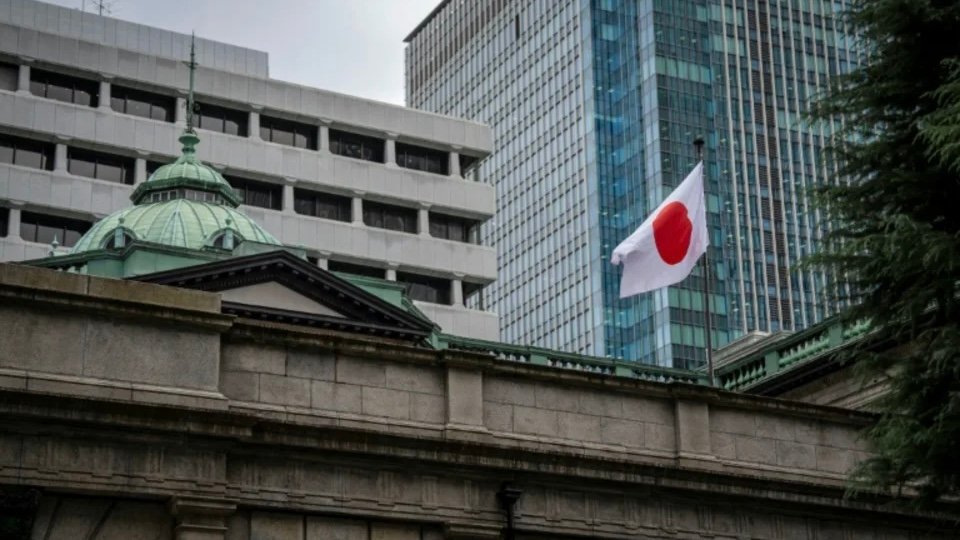
The Bank of Japan is expected to raise its policy rate to 1.25% this week, as higher oil prices, a weaker yen and broader inflation risks increase pressure on policymakers to tighten monetary conditions. The expected move would take borrowing costs to their highest level in about 31 years.
The decision comes at a difficult time for Japan’s economy. The country has spent years operating with extremely low interest rates, hoping to encourage borrowing, investment and stronger price growth. But the external environment has changed quickly, with a sharp rise in oil prices threatening to push up import costs and household expenses.
Reuters polls show economists expect the BOJ to lift its policy rate from 1% to 1.25% at the meeting ending on September 18. They also expect the rate to reach 1.5% by the end of March next year and 1.75% during the second quarter of 2027.
The expected increase would represent another step away from Japan’s long period of ultra-easy monetary policy. The BOJ has been cautious because Japan’s economy remains sensitive to higher borrowing costs, while household spending and business confidence can weaken when financing becomes more expensive.
However, policymakers are now facing a different risk. If inflation continues to broaden, waiting too long could force the central bank to tighten more rapidly later. BOJ board member Kazuyuki Masu warned that the bank could eventually be forced to raise rates quickly if inflation accelerates.
Oil prices are making that risk more immediate. Brent crude rose above $100 a barrel after attacks on shipping and energy facilities in the Middle East raised fears of supply disruptions. It later moved near $108 as concerns grew that regional export routes could remain affected for weeks.
Japan imports most of the energy it consumes, so higher oil prices can quickly increase costs for transport, electricity, manufacturing and households. A weaker yen makes imported commodities even more expensive because Japanese companies need more yen to purchase the same amount of oil in dollars.
The combination of expensive energy and a weaker currency creates a difficult policy problem. The BOJ wants to prevent inflation expectations from becoming entrenched, but it must also avoid choking growth by raising rates too aggressively.
The yen has been under pressure as markets reassess the interest-rate outlook in Japan and the United States. If investors believe US rates will remain higher for longer, they may continue to hold dollar assets, putting additional pressure on the Japanese currency.
A rate increase could support the yen by making Japanese assets more attractive, but the effect is not guaranteed. Currency markets also respond to expectations, global risk appetite and the scale of future tightening. If investors think the BOJ will move slowly, the yen may not strengthen significantly.
The central bank is therefore expected to focus not only on the size of the immediate increase but also on its guidance for future policy. Investors will look for clues about whether the BOJ could raise rates once every quarter or take a more cautious approach.
The policy debate has changed since earlier this year. Previously, the BOJ could point to uncertainty around wages, consumption and domestic demand when defending a gradual approach. Now, external energy prices are adding another source of inflation that policymakers cannot easily control.
Oil-driven inflation can be particularly difficult for households because it affects everyday purchases. Higher fuel, electricity and transport costs reduce disposable income, while businesses may pass higher operating expenses to consumers through increased prices.
That creates a risk that inflation remains high even if domestic demand is not especially strong. A central bank raising rates in response to supply-driven price increases must be careful because monetary policy cannot directly produce more oil or repair damaged export routes.
The BOJ may nevertheless judge that a gradual increase is necessary to protect its credibility. If inflation remains above target and the yen weakens further, households and businesses may begin to expect continuously higher prices. Those expectations can influence wage negotiations, pricing decisions and spending behaviour.
Wage growth will remain an important part of the BOJ’s assessment. Policymakers need evidence that price increases are being supported by stronger wages and domestic demand rather than only by imported energy. Sustainable wage growth would give the bank more confidence that Japan can tolerate higher rates.
The expected rate hike will affect financial institutions as well. Japanese banks could benefit from wider lending margins if loan rates rise faster than deposit costs. However, higher rates may also weaken demand for mortgages, corporate borrowing and investment loans.
Households with variable-rate mortgages may face higher monthly payments. Companies that depend heavily on bank financing could also see interest expenses increase. The impact will depend on how quickly banks pass policy changes through to customers and whether the BOJ continues tightening.
The bond market will be another area to watch. Higher policy rates can push government bond yields upward, increasing borrowing costs for the Japanese government. Investors may also reassess the value of Japanese bonds relative to overseas assets.
For global markets, a BOJ rate hike could influence currency trading and investment flows. Japan has long been a major source of low-cost funding for global investors. If Japanese rates rise, some investors may reduce overseas positions and return capital to domestic assets.
That possibility adds to market sensitivity. A stronger yen may reduce profits for Japanese exporters when overseas revenue is converted into local currency, while higher domestic borrowing costs could weigh on real estate and highly leveraged companies.
At the same time, a controlled tightening cycle could improve long-term financial stability. Maintaining very low rates while inflation accelerates can encourage excessive risk-taking and distort asset prices. Gradual increases may help normalise conditions without creating a sudden shock.
The BOJ’s communication will be critical. Investors want to know whether the bank believes the current inflation pressure is temporary or likely to persist. They will also watch whether policymakers mention oil prices, the yen and international supply disruptions as reasons for a faster path.
Japan is entering a new monetary-policy phase in which imported inflation matters more than it has for many years. The expected 1.25% rate would still be modest by international standards, but it would represent a significant change for an economy accustomed to near-zero borrowing costs.
The decision will therefore be judged not only by the immediate rate move but by the confidence it gives markets. If the BOJ appears ready to respond to persistent inflation while protecting growth, the move could stabilise expectations. If it sounds uncertain, pressure on the yen and bond markets could continue. For now, the central bank is preparing to act because the cost of waiting appears to be increasing. Oil prices, yen weakness and broadening inflation risks have combined to make another step toward tighter policy increasingly difficult to avoid.
