Author name: Commerce Chronicle

Rich World Rate‑Cut Hopes Fade as Fed, ECB and Bank of England Signal Longer Tight Cycle
Global

Rich World Rate‑Cut Hopes Fade as Fed, ECB and Bank of England Signal Longer Tight Cycle

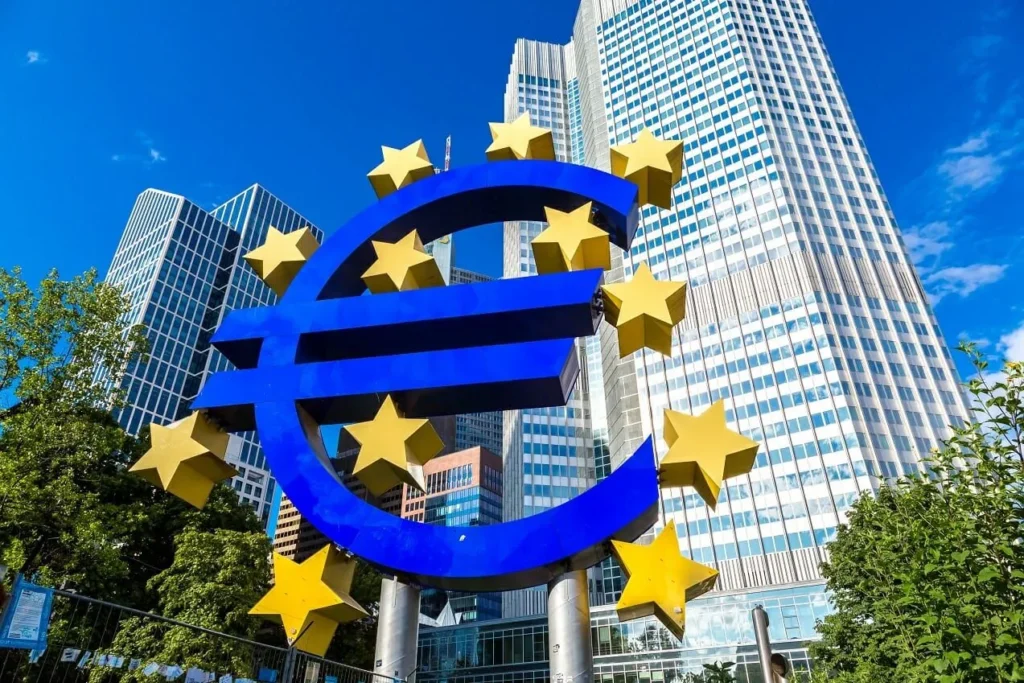
Hopes for a rapid wave of interest‑rate cuts across advanced economies are fading as major central banks signal that the latest easing cycle is nearing its limits and that policy may need to stay restrictive well into 2026.  After spending much of 2025 lowering borrowing costs to cushion growth, officials at the US Federal Reserve, European Central Bank (ECB) and Bank of England (BoE) are now emphasizing persistent inflation risks, stronger‑than‑expected activity and the need for patience before contemplating any further moves.  Investors went into the final stretch of the year pricing in a relatively benign “soft landing” and a series of gradual cuts in 2026, but that narrative has been challenged by data showing resilient labor markets and services inflation that remains above target in many advanced economies.  A recent analysis described the global rate backdrop as “suddenly a lot less benign”, warning that volatility in 2026 could exceed what markets had bargained for if policymakers are forced back toward a tightening bias.  While the Fed delivered another widely expected cut in December, futures markets now show fewer reductions ahead and rising odds that the US central bank could pause or even reverse course if price pressures re‑accelerate.  In Europe, the ECB has slowed its easing campaign and is explicitly linking future steps to the trajectory of core inflation, which has proven sticky despite weaker manufacturing and trade.  Officials have cautioned that the Governing Council cannot assume inflation will glide back to target without further policy restraint, particularly given wage settlements and energy‑related uncertainties.  The Bank of England, facing UK inflation that remains above the 2% goal and a politically sensitive cost‑of‑living backdrop, has similarly signaled that it is in no rush to cut further after a rapid series of reductions earlier in the year.  Outside the transatlantic core, markets have swung sharply in recent weeks as central banks in Canada and Australia moved from an expected easing path to a stance where modest hikes are now seen as more likely in 2026.  Analysts note that this pivot underlines how unusual the recent rate‑cutting cycle has been, with several major banks easing aggressively despite the absence of a formal recession.  That has left policymakers juggling conflicting signals: on one hand, the lagged impact of earlier tightening and geopolitical risks; on the other, still‑firm demand and the risk that premature easing could entrench inflation.  For households and companies across the US, UK and Europe, the shift in tone means borrowing costs for mortgages, business loans and credit lines are likely to stay elevated relative to pre‑pandemic norms.  Higher rates are weighing particularly hard on interest‑sensitive sectors such as real estate and leveraged finance, with several research houses warning that refinancing risks in 2026 will be a key stress point for banks and capital markets.  At the same time, savers continue to benefit from higher deposit and money‑market yields, though banks are already signaling that the most generous offers may not last if funding conditions tighten further.  Strategists say the new environment will reward selectivity and risk management more than the broad “everything rally” that followed earlier easing.  Equity markets could face more frequent bouts of volatility as investors reassess earnings assumptions under a higher‑for‑longer rates regime, while bond markets are likely to see greater dispersion between countries seen as credible inflation fighters and those facing fiscal or political strains.  For policymakers, the challenge in 2026 will be to communicate a credible path that anchors expectations without over‑promising on cuts that the data may not justify. 

Deutsche Bank
Global

Deutsche Bank Nears €1 Billion Risk Transfer Deal with European Investment Fund

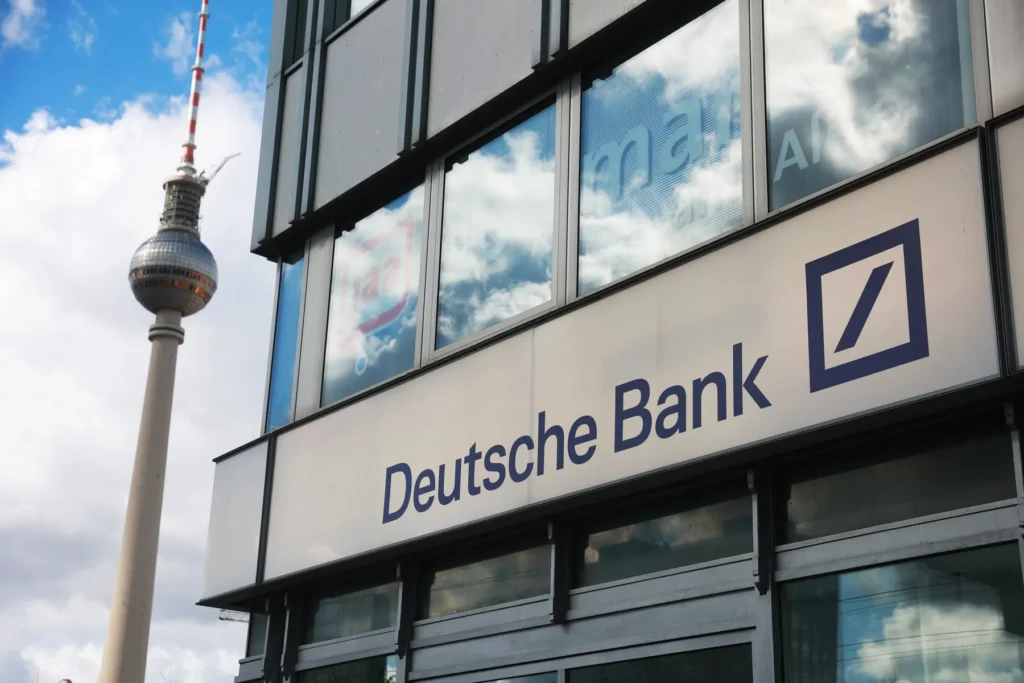
Deutsche Bank is on the verge of finalizing a significant €1 billion synthetic risk transfer (SRT) transaction with the European Investment Fund, marking a major step in risk management and capital optimization for one of Europe’s largest financial institutions. The SRT deal is anticipated to allow Deutsche Bank to free up capital and better manage its credit exposure, a move that bolsters resilience in a fluctuating global economy. The European Investment Fund will assume a slice of risk from over €10 billion in corporate loans, supporting more stable balance sheets for the German lender while incentivizing continued lending to the real economy. The agreement points to increasing private and public sector cooperation in broadening access to capital and ensuring liquidity remains robust amid evolving regulatory requirements. Market analysts view the transaction as a sign of strengthening risk management frameworks in the eurozone banking system.

Italian Banks Back Digital Euro, Urge Staggered Implementation Due to Costs
Global

Italian Banks Back Digital Euro, Urge Staggered Implementation Due to Costs

Italy’s leading banks have voiced strong backing for the digital euro, but caution that its rollout should be phased to help offset the substantial cost of transition and integration into daily banking operations. Italy’s banking sector, represented by major associations, supports the European Central Bank’s (ECB) pilot to create a digital euro as a secure, widely accessible form of money. Bank executives argue that costs tied to IT upgrades, staff training, and customer engagement could burden institutions if introduced too rapidly. They call for a gradual adoption strategy, wherein expenses can be managed over several years, preventing disruption to current services and business models. Analysts believe the digital euro could enhance transaction efficiency and cross-border payments but stress the importance of careful planning to sustain trust and stability in Europe’s banking landscape.

Global

Hikvision Sues US FCC Over National Security Equipment Ban

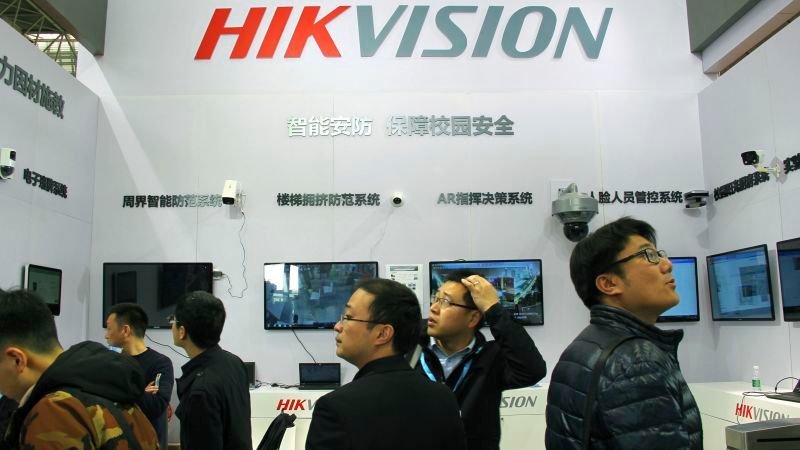
Chinese surveillance giant Hikvision filed a lawsuit against the US Federal Communications Commission (FCC) challenging a ban labeling its equipment a national security threat. The company argues the decision lacks evidence and violates due process, seeking to overturn restrictions blocking federal sales and subsidies. This marks a rare legal pushback from a Chinese firm amid escalating US-China tech tensions. The FCC’s November ruling under the Secure and Trusted Communications Networks Act cited risks of espionage via Hikvision’s cameras, which hold significant US market share in government and critical infrastructure. Hikvision counters that no breaches have been documented, attributing bans to protectionism favoring American rivals like Motorola Solutions. The suit demands reinstatement of $500 million in contracts and challenges the FCC’s authority to designate without trial. Background traces to 2019 blacklisting under Trump-era policies, expanded by Biden and now President Trump’s administration emphasizing supply chain security. Hikvision, 40% state-owned, supplies 30% of global video surveillance but faces global scrutiny, including UK and Australian bans. Legal experts predict prolonged litigation, potentially reaching the Supreme Court. The case underscores bifurcating global tech ecosystems, with US firms like NVIDIA pivoting to domestic chips. Victory for Hikvision could embolden Huawei’s appeals, but analysts foresee rejection amid bipartisan consensus on China risks. Resolution may reshape $100 billion US security tech procurement.

SAP CEO Warns Europe on AI Regulation Risks Falling Behind US and China
Global

SAP CEO Warns Europe on AI Regulation Risks Falling Behind US and China

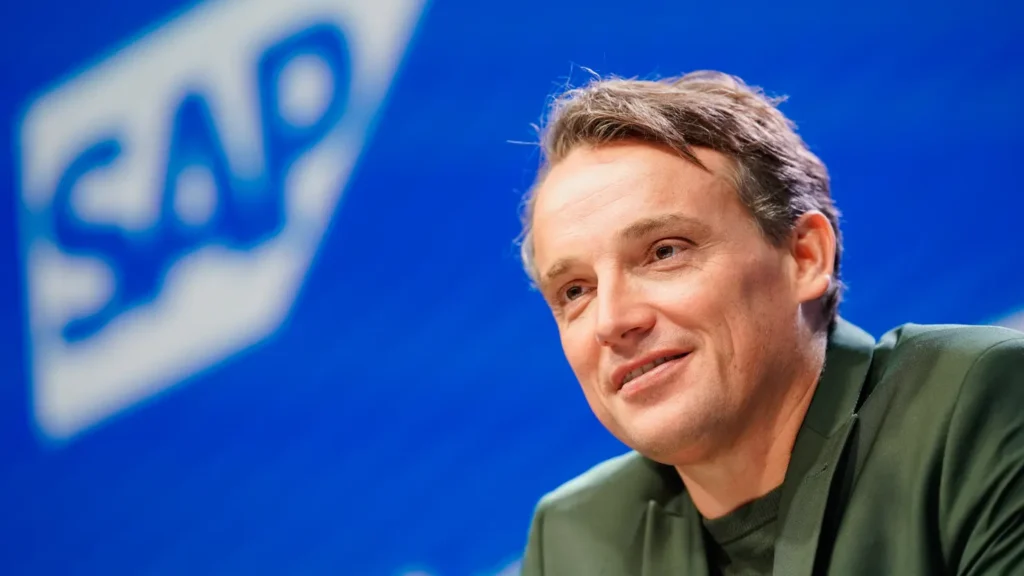
SAP CEO Christian Klein cautioned European governments against overly stringent AI regulations that could hinder the continent’s competitiveness against the US and China. Speaking at a recent industry forum, Klein emphasized that while ethical safeguards are essential, excessive bureaucracy stifles innovation in critical technologies like generative AI. Europe’s tech sector, already trailing in scalability, faces further risks if policymakers prioritize caution over agility. Klein’s remarks come amid growing concerns over the EU AI Act, which imposes tiered risk classifications on AI systems, mandating transparency and audits for high-risk applications. Proponents argue it sets a global standard for trustworthy AI, but critics, including Klein, warn it burdens startups with compliance costs exceeding those in less regulated markets. SAP, Europe’s largest software firm by market cap, has invested heavily in AI integrations for enterprise resource planning, positioning itself to benefit from balanced policies. The warning resonates as OECD data reveals Europe lagging in AI adoption, particularly among younger demographics. US giants like OpenAI and Chinese firms dominate model training due to fewer hurdles, capturing market share in cloud AI services. Klein urged a “regulate-to-innovate” approach, citing Denmark’s flexible framework as a model. Failure to adapt could exacerbate Europe’s brain drain, with talent migrating to Silicon Valley hubs. Analysis suggests Klein’s plea aligns with broader industry lobbying, including from ASML and Siemens executives. Recent EU funding rounds, like the €5.2 billion Innovation Fund for clean tech, show promise but must extend to digital realms. If unheeded, Europe risks becoming a regulator rather than a leader, ceding economic ground in a projected $15 trillion AI economy by 2030.

From South Africa to Kenya: African Regulators Tighten FX and CFD Rules to Protect Retail Investors and Align with FATF Standards
Global

From South Africa to Kenya: African Regulators Tighten FX and CFD Rules to Protect Retail Investors and Align with FATF Standards

African regulators intensified forex and CFD oversight in 2025, targeting scams and aligning with FATF anti-money laundering standards from South Africa to Kenya. South Africa’s FSCA imposed stricter licensing, real-time reporting, client fund segregation, and enhanced KYC/AML, with 2024/25 enforcement debarring 131 individuals and withdrawing 382 licenses. Kenya’s CMA and Nigeria’s SEC banned unregulated brokers, launched education campaigns, and mandated AML checks, while the new Virtual Asset Service Providers Act requires VASPs’ digital compliance. Ghana’s push for retail forex licensing formalizes margin trading amid rising scams. These measures raise barriers for non-compliant brokerages but foster market maturity, attracting authorized players like EBC Financial Group. FSCA’s 2025-2028 strategy prioritizes conduct oversight for online platforms, with ongoing audits and penalties deterring misuse of client funds. Social media fraud warnings highlight impersonator brokers targeting retail traders, prompting public alerts. Forex leverage caps and transparency rules mirror EU MiFID III trends, impacting cross-border operations. Brokerage firms face higher capital needs but benefit from investor trust, boosting volumes in regulated pairs like USD/ZAR. Regional ties to Europe and U.S. amplify scrutiny: SARB’s exchange guidelines guide corporate flows. Latin America’s trade resilience offers forex opportunities, as African exports stabilize currencies. U.S. tariffs indirectly support commodity prices, aiding African FX. Alignment with global standards positions Africa for institutional inflows, though short-term disruptions hit unlicensed players. Retail protection trumps volume, ensuring sustainable growth amid Trump’s dollar-strong policies.

December Tailwinds: European Indices Extend Traditional ‘Santa Rally’ Amid Easing Inflation and Rate-Cut Hopes
Global

December Tailwinds: European Indices Extend Traditional ‘Santa Rally’ Amid Easing Inflation and Rate-Cut Hopes

December’s “Santa Claus rally” gained momentum in 2025, with European markets posting consistent gains rooted in decades of seasonal patterns and institutional buying. The EURO STOXX 50 has averaged 1.87% December returns since 1987, positive 71% of the time—second only to November—while the DAX shows 2.18% averages with 73% win rates. Late-month surges dominate: from December 15 to year-end, EURO STOXX delivers 2.12% on average (76% positive), fueled by fund managers’ year-end rebalancing. Easing eurozone inflation and ECB rate-cut bets extend this tailwind, contrasting early-year sideways trading. Fund manager behavior drives much of the phenomenon, as “price maintenance” prompts buying of strong performers to enhance client reports. Seasonax analyst Christoph Geyer notes this intensifies in range-bound years like 2025’s DAX since May, with mid-November to early-January patterns favoring 6%+ gains in 34 of 46 years. U.S. parallels reinforce credibility: S&P 500 December gains occur 74% of the time at 1.44% average. Country indices align—CAC 40 at 1.57% (70% positive), IBEX 35 at 1.12%—building late-December steam. Brokerage trading volumes spiked in derivatives tied to these indices, with forex pairs like EUR/USD reflecting rate divergence hopes. European stocks’ undervaluation, per Yahoo Finance, supports earnings-driven upside at 21.4% growth. Global spillovers include U.S. Wall Street’s sideways churn ahead of Fed decisions, impacting cross-Atlantic flows. African and Latin brokerage sectors watch closely, as euro strength aids commodity-linked currencies. While past performance offers no guarantees, 2025’s setup—easing inflation, technical breakouts, and positioning—mirrors historical catalysts. Risks like U.S. tariffs under Trump could cap gains via dollar appreciation, but seasonal forces prevail. Investors eye U.S. inflation for confirmation, blending festive stats with macroeconomic reality.

Emirates Health Services Showcases Breakthrough Healthcare Projects at Arab Health 2025
Middle East

Emirates Health Services Showcases Breakthrough Healthcare Projects at Arab Health 2025

Emirates Health Services (EHS) unveiled cutting-edge initiatives at Arab Health 2025 in Dubai, highlighting breakthroughs in chronic disease management. Key projects include FDA-approved Artificial Heart and Pancreatic Cell Transplantation procedures, aiming to improve outcomes for patients with heart failure and diabetes. EHS’s Acting Executive Director emphasized the alignment of these innovations with the UAE’s National Strategy for Wellbeing 2031, focusing on optimizing community health services. These advanced therapies signify a major leap forward for the region’s medical capabilities and reinforce the UAE’s position as a healthcare innovation leader.

Healthcare Leader’s Summit Middle East 2025: Transforming Regional Health Systems
Middle East

Healthcare Leader’s Summit Middle East 2025: Transforming Regional Health Systems

The Healthcare Leader’s Summit Middle East 2025 convened policymakers, innovators, and healthcare professionals in Dubai to discuss building resilient, people-centric health systems. The region faces challenges such as aging populations and lifestyle diseases accounting for 70% of deaths, highlighting the need for coordinated workforce development and reimbursement reforms. With projected healthcare markets surpassing $135 billion by 2027, Gulf countries are investing heavily in digital health, AI diagnostics, and hospital infrastructure. Saudi Arabia’s Vision 2030 allocates over $65 billion to healthcare transformation, and the UAE is expanding medical tourism. The summit emphasized practical solutions to improve healthcare access, affordability, and outcomes.

Cure by Deerfield Middle East Health Accelerator Selects 15 Healthcare Startups
Middle East

Cure by Deerfield Middle East Health Accelerator Selects 15 Healthcare Startups

The inaugural Cure by Deerfield Middle East Health Accelerator announced its first cohort of 15 pioneering healthcare startups focusing on digital health, medtech, and innovative care delivery across MENA. Backed by Deerfield Management and Qatar Investment Authority, the accelerator provides mentorship, funding access, and pilot opportunities in Qatar’s thriving health ecosystem. The selected companies tackle key challenges such as telemedicine, chronic disease prevention, and integrated digital care. Each startup aims for scalability and real-world impact, addressing gaps in healthcare accessibility and quality. The initiative exemplifies Qatar’s leadership in fostering a vibrant ecosystem for healthcare innovation in the Middle East.

Syria’s Healthcare System Faces Acute Funding Shortages Post-War
Middle East

Syria’s Healthcare System Faces Acute Funding Shortages Post-War

Syria’s healthcare system remains fragile nearly a year after the country’s civil war ended, as funding shortages threaten access to medical services and basic medicines. According to the World Health Organization (WHO), only 58% of hospitals and 23% of primary care centers are fully functional. Since mid-2025, over 400 health facilities have faced funding cuts, leading to reduced or suspended services affecting 7.4 million people. Critical trauma consultations and births with skilled attendants have declined sharply. The shortage of healthcare workers remains serious, with the environment still not conducive for professionals to return in large numbers. WHO urges the international community and Syrian authorities to prioritize rebuilding the health infrastructure and restoring essential services.

Huawei MEA Ecosystem Summit 2025 Highlights Innovation and Sustainability
Middle East

Huawei MEA Ecosystem Summit 2025 Highlights Innovation and Sustainability

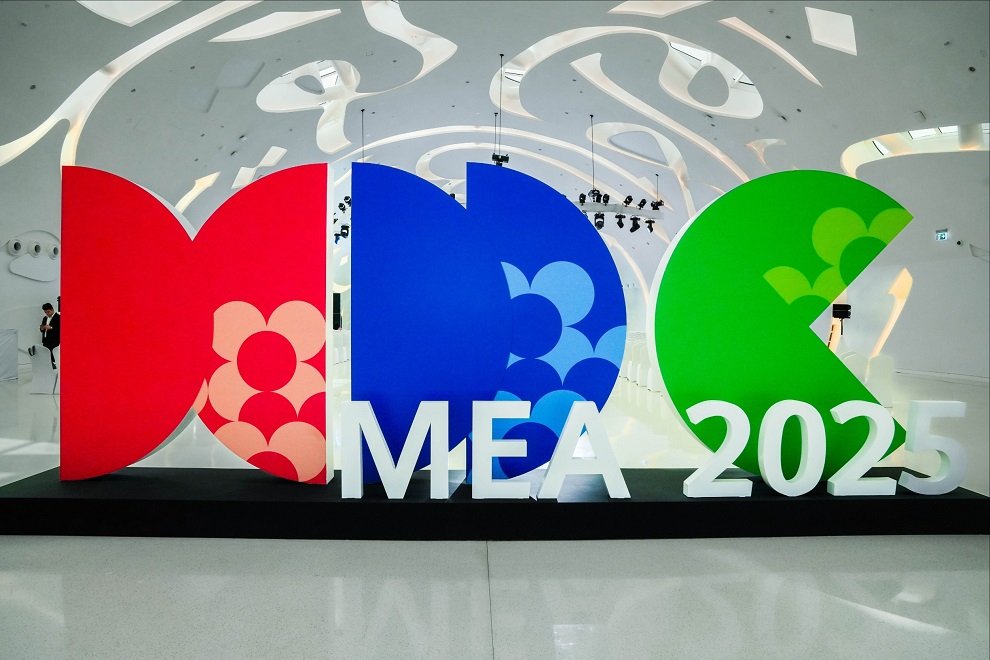
Huawei’s third annual MEA Ecosystem Summit in Dubai united global visionaries and regional leaders to explore sustainable growth through technology collaboration and innovation. The summit showcased successful partnerships between Huawei and regional entities, including tourism authorities and digital content platforms. Highlights included the launch of bespoke watch faces inspired by Dubai’s culture and the strengthening of mobile gaming ecosystems through localized support. Emphasizing cross-sector innovation, Huawei reaffirmed its mission to empower local ecosystems, connect global markets, and drive smart digital economies across the Middle East and Africa.

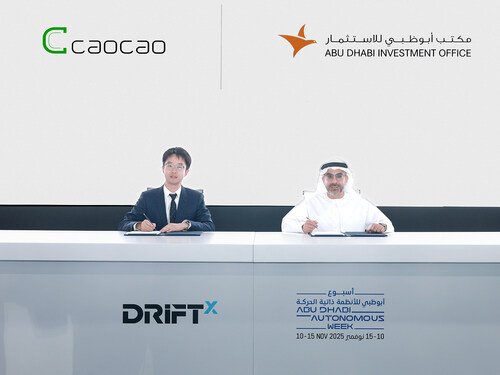
Abu Dhabi Investment Office Partners with CaoCao Inc. on Autonomous Driving and Robotaxis
Middle East

Abu Dhabi Investment Office Partners with CaoCao Inc. on Autonomous Driving and Robotaxis

CaoCao Inc., a leading autonomous vehicle technology company, has signed a memorandum of understanding with Abu Dhabi Investment Office to launch robotaxi services and advance autonomous driving technology in the UAE. The partnership aims to deploy self-driving vehicle fleets across key urban areas, leveraging Abu Dhabi’s infrastructure and innovation ambitions. Robotaxi trials will begin in pilot zones before scaling regionally. This cooperation fosters technology transfer, investment inflows, and workforce upskilling in smart mobility. It aligns with broader UAE goals of sustainable transport and cutting-edge technology adoption enhancing urban resilience and quality of life .

KPMG Middle East Strengthens Google Cloud Alliance for Digital Transformation
Middle East

KPMG Middle East Strengthens Google Cloud Alliance for Digital Transformation

KPMG Middle East has reinforced its strategic alliance with Google Cloud to accelerate digital transformation initiatives across regional industries. By combining KPMG’s consulting excellence with Google Cloud’s advanced technologies, the partnership delivers end-to-end cloud solutions that enhance operational efficiency, drive innovation, and support resilience. Key focus areas include AI-powered analytics, cybersecurity, and scalable cloud migration tailored for sectors such as financial services, healthcare, and manufacturing. This collaboration highlights the region’s accelerating shift towards technology-driven business models and its commitment to fostering a competitive digital economy .

HP Builds Next-Gen AI and Digital Skills Pipeline in Middle East
Middle East

HP Builds Next-Gen AI and Digital Skills Pipeline in Middle East

As the Middle East undergoes rapid digital transformation, HP is playing a pivotal role by nurturing young talent through initiatives focused on artificial intelligence and digital skills development. HP’s AI R&D Centre of Excellence in Dhahran, Saudi Arabia, is a flagship initiative providing students and early-career talent access to AI research and mentorship programs that align with job market needs. Partnering with leading universities such as RIT and Saudi Electronic University, HP integrates industry exposure into higher education. Programs like the HP Aiden AI Debate and cybersecurity tracks promote communication, ethics, and security literacy alongside technical depth. These initiatives bolster Saudi Vision 2030 and complement the UAE’s Digital Economy Strategy and Gaming 2033 ambitions. HP aims not only to train learners but to empower them to shape the future of technology throughout the region.

NBCC Signs Dh3 Billion Framework Agreement with Pantheon Elysee Real Estate
Middle East

NBCC Signs Dh3 Billion Framework Agreement with Pantheon Elysee Real Estate

Indian public sector real estate company NBCC has inked a Dh3 billion memorandum of understanding with Dubai-based Pantheon Elysee Real Estate, marking a significant strategic partnership. This collaboration aims to jointly develop high-profile residential, hospitality, and mixed-use projects across the UAE. NBCC brings substantial construction management and engineering capabilities, while Pantheon Elysee offers deep market insights and regulatory navigation expertise. The alliance is expected to leverage NBCC’s technological strengths and Pantheon’s local experience to deliver timely, quality developments serving rising demand for affordable and luxury housing. Investors and market analysts anticipate this partnership will stimulate further cross-border real estate collaborations between South Asia and the Gulf Cooperation Council countries.

Dubai Property Market Opens Up to Middle-Class Indian Investors
Middle East

Dubai Property Market Opens Up to Middle-Class Indian Investors

Dubai’s property market is increasingly accessible to India’s middle class, driven by favorable financing options, tax benefits, and a simplified residency process linked to property ownership. The city’s real estate ecosystem now caters to middle-tier investors seeking gross rental yields between 7-9%, especially in suburban and upcoming localities. Flexible installment plans and competitive mortgage rates facilitate entry for salaried professionals. Additionally, non-taxation policies on rental income and gains enhance Dubai’s attractiveness compared to domestic alternatives in India. Real estate experts highlight the role of recent urban upgrades and global connectivity as major draws for Indian migrants and NRIs, who view property not only as an investment but also as a secure home base in a cosmopolitan environment.

Sharjah Real Estate Hits $12.1 Billion in 2025 with Strong Villa and Townhouse Sales
Middle East

Sharjah Real Estate Hits $12.1 Billion in 2025 with Strong Villa and Townhouse Sales

Sharjah’s real estate sector hit a landmark $12.1 billion in transactional value in 2025, boosted by a 58% surge in volume driven by villa and townhouse sales. Developers have responded to rising market demand by launching over 12,000 freehold residential units, addressing affordability and community lifestyle preferences. Innovative financing options such as extended payment plans have widened access for first-time buyers and investors alike. Sharjah’s transformation from a commuter town to an integrated lifestyle market is evident through its master-planned communities prioritizing sustainability and public amenities such as parks, schools, and retail hubs. The emirate’s strategic positioning as a cost-effective alternative to Dubai and Abu Dhabi enhances its appeal to families and young professionals.

UAE Unveils $46.3 Billion National Transport Investment Plan to 2030
Middle East

Dubai’s Red-Hot Housing Market Eyes UK Budget Boost

Dubai’s real estate market continues to heat up, surpassing New York to claim the top spot for luxury property investment among global elites. The city’s blend of high returns, tax incentives, and top-tier lifestyle appeal has made it a haven for international investors, particularly expatriates. With Dubai enhancing its infrastructure and rolling out new freehold property laws, demand from both regional and global buyers has surged in 2025. The recent UK budget announcement, which includes incentives for expatriates to invest abroad, is expected to further funnel UK capital into Dubai. Low interest rates combined with residence-linked visa programs attract middle-income professionals and high-net-worth individuals, creating a multi-tiered buyer base that supports a wide spectrum of property offerings from affordable apartments to ultra-luxury villas. Forecasts suggest continued growth driven by Expo 2030 preparations, new economic zones, and sustained government focus on public-private partnerships.

Crypto Treasury Companies Pivot to Fringe Tokens, Raising Volatility Concerns
Middle East

Crypto Treasury Companies Pivot to Fringe Tokens, Raising Volatility Concerns

Crypto treasury firms in the Middle East are shifting investments toward less mainstream tokens, prompting concerns about amplified market volatility. Following saturation in major cryptocurrencies like Bitcoin and Ethereum, companies have moved capital into fringe or emerging tokens, some with integrated AI or novel blockchain features. This strategic pivot has led to volatile price movements, sparking caution among regulators and investors. While some view this as innovation-driven diversification, others warn of speculative risks, especially as retail investors face exposure to heightened market swings. Industry analysts anticipate increased regulatory oversight aimed at stabilizing these emerging crypto market segments.

UAE Emerges as MENA Crypto Powerhouse with Regulatory Leadership
Middle East

UAE Emerges as MENA Crypto Powerhouse with Regulatory Leadership

The UAE is leading the MENA region as a crypto-finance hub, supported by robust regulatory frameworks and attracting high-quality blockchain and crypto businesses. Dubai’s Virtual Assets Regulatory Authority (VARA) and Abu Dhabi’s comprehensive financial services regulations have set high international standards for governance, transparency, and compliance. These frameworks appeal to crypto-native companies seeking legitimacy and institutional partnerships. MENA’s crypto market benefits from UAE’s sophisticated ecosystem, investor interest, and strategic positioning as a bridge between East and West. Industry leaders at SuperReturn Middle East 2025 highlighted the UAE’s role in fostering sustainable growth in crypto finance, setting examples for neighboring states to follow.

Middle East Forex Markets Navigate Volatility as US Shutdown Nears Resolution
Middle East

Middle East Forex Markets Navigate Volatility as US Shutdown Nears Resolution

Forex markets in the Middle East have shown volatility amid global economic uncertainties and signs of an impending end to the US government shutdown. The US dollar remains firm against major currencies as weak economic data release raises global growth fears, while progress on reopening the US federal government softens the dollar’s safe-haven appeal. Regional forex traders are adjusting positions with attention focused on US Federal Reserve monetary policy status and fluctuating crude oil prices influencing currency movements. The Saudi riyal, UAE dirham, and Qatari riyal currencies remain pegged but experience indirect impact from global forex volatility, influencing hedging activities and cross-border trade finance.

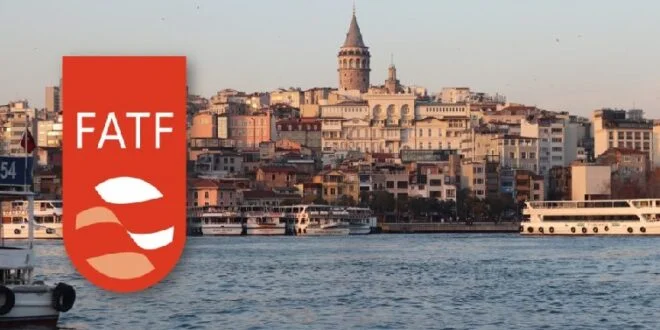
FATF Schedules Onsite Visit to Turkey to Strengthen Anti-Money Laundering Measures
Middle East

FATF Schedules Onsite Visit to Turkey to Strengthen Anti-Money Laundering Measures

The Financial Action Task Force (FATF) has announced that it will conduct an onsite visit to Turkey to evaluate the country’s progress in combating money laundering and terrorist financing. This visit follows Turkey’s recent exit from the FATF’s “grey list,” signifying improvements in regulatory frameworks and enforcement mechanisms. The evaluation aims to assess Turkey’s adherence to international standards, a critical factor in maintaining the integrity of the country’s banking system and attracting foreign investment. Turkish authorities are engaging actively with FATF experts to demonstrate compliance and strengthen oversight over financial transactions. The outcome will influence Turkey’s global financial standing and the operational freedom of its banks in correspondent banking relationships.

Qatar Diar Commits $3.5 Billion to Egypt North Coast Tourism Project
Middle East

Qatar Diar Commits $3.5 Billion to Egypt North Coast Tourism Project

Qatar Diar, a subsidiary of Qatar’s sovereign wealth fund, has pledged $3.5 billion in investment for a pioneering tourism and real estate development along Egypt’s North Coast, reflecting the Gulf region’s growing influence in cross-border financial flows. The project aims to create a world-class resort destination with luxury hotels, residential communities, and leisure facilities, opening new avenues for economic and tourism collaboration between Egypt and Gulf countries. Qatar Diar’s sizable commitment demonstrates confidence in the Egyptian market’s growth potential and the Middle East banking sector’s increasing role in supporting large-scale infrastructure and development projects. Experts note that such investments reinforce regional financial integration and diversify portfolio allocations amid global market uncertainties.

UAE Unveils $46.3 Billion National Transport Investment Plan to 2030
Middle East

UAE Unveils $46.3 Billion National Transport Investment Plan to 2030

The UAE government has announced an ambitious $46.3 billion investment plan aimed at modernizing its national transport infrastructure over the next five years, positioning the country as a leader in connectivity and smart logistics. This large-scale plan encompasses new road networks, metro expansions, smart mobility solutions, and port enhancements to support the country’s trade and urban growth. The anticipated infrastructural improvements are expected to generate significant business for the UAE’s banking and financial institutions by facilitating financing for transport projects, stimulating corporate lending, and enhancing investor confidence. The strategy aligns with the country’s Vision 2030 goals of economic diversification and sustainability, further underpinning the financial sector’s role as a growth enabler in the region.

Emirates NBD Expands Role as Official Banking Partner of DP World Tour Tournaments
Middle East

Emirates NBD Expands Role as Official Banking Partner of DP World Tour Tournaments

Emirates NBD has strengthened its association with professional golf by becoming the Official Banking Partner of two prestigious DP World Tour tournaments hosted in the United Arab Emirates. The bank’s sponsorship of these tournaments is part of its broader strategy to boost brand engagement and support regional economic development through sport. Emirates NBD leverages these partnerships to enhance its corporate banking and wealth management services, tapping into a global audience and high-net-worth clientele. The move reflects the UAE’s ambition to position itself as a global sports and financial hub, fostering increased collaboration between the banking sector and event management industries. Analysts expect such partnerships to enhance Emirates NBD’s market stature and contribute positively to the country’s tourism and hospitality sectors.

UK Teesside Gas Firm Calls for Energy Profits Levy Overhaul
Global

UK Teesside Gas Firm Calls for Energy Profits Levy Overhaul

A major gas company based in Teesside has called for an overhaul of the UK’s energy profits levy, warning that current policies risk job losses and deter critical investment in infrastructure. The firm argues that the levy, designed to tax excess profits from high energy prices, creates uncertainty and disincentives for future projects. It urges the government to revise the framework to balance raising revenue with maintaining competitiveness and energy security. The plea comes as the UK prepares for winter energy demands amid volatile markets.

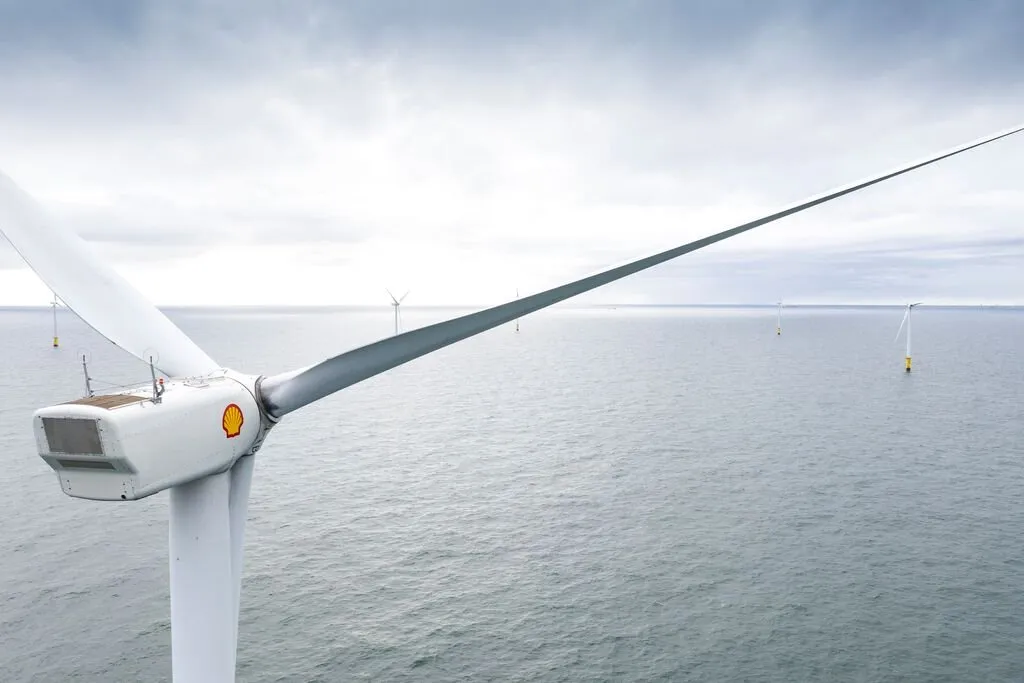
Shell Exits UK Offshore Wind Projects After Strategic Review
Global

Shell Exits UK Offshore Wind Projects After Strategic Review

Shell has announced its exit from two offshore wind projects off the UK coast following a strategic review aligning with broader portfolio adjustments. The decision underscores Shell’s focus on maximizing capital efficiency while navigating challenges in the offshore wind sector, including supply chain disruptions and rising costs. Industry analysts foresee continued consolidation and partnerships as key features shaping the UK’s renewables landscape in coming years.

Europe’s Energy Giants Report Better-than-Expected Q3 Results
Global

Europe’s Energy Giants Report Better-than-Expected Q3 Results

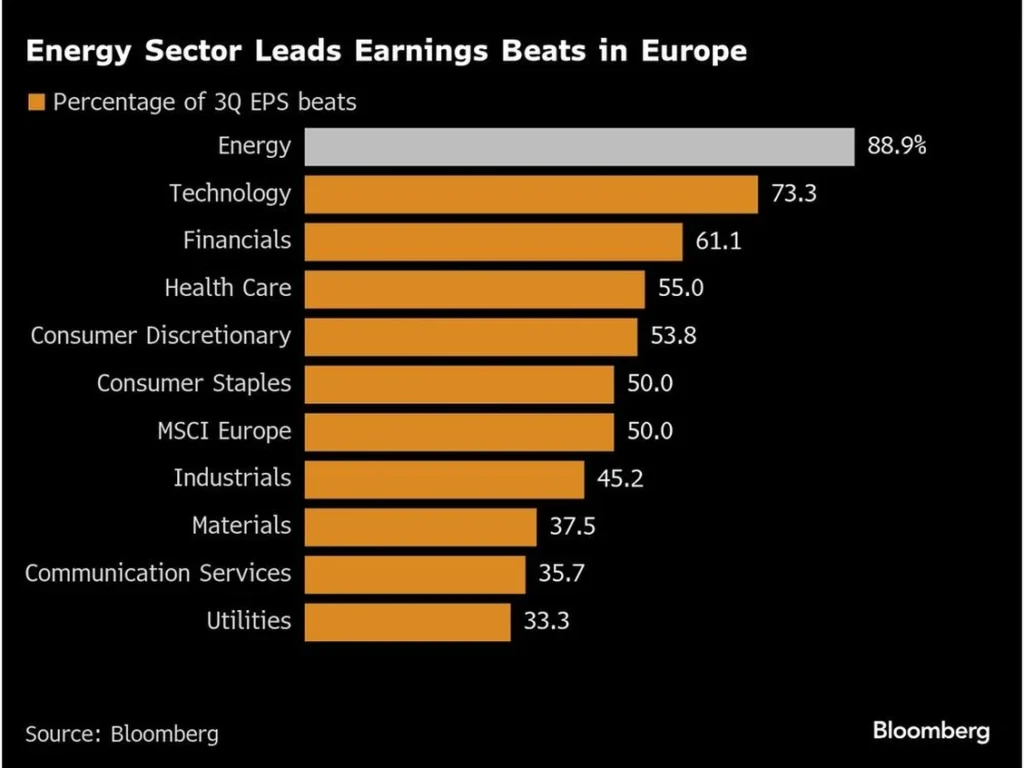
Europe’s major energy companies have posted stronger-than-expected financial results for the third quarter of 2025, driven by high refining margins and robust LNG demand. Companies like Shell, TotalEnergies, and BP benefited from optimized supply chains and spot market gains. The surge in liquefied natural gas demand, especially from Asia and the US, helped offset declining European gas prices. Executives remain cautious, monitoring potential demand shifts as renewable capacity expands and regulatory pressures increase.

US Urges Europe to Maintain Oil and Gas Supplies Over Renewables
Global

US Urges Europe to Maintain Oil and Gas Supplies Over Renewables

The US government has urged European countries to continue prioritizing oil and gas supplies over a rapid shift to renewables, stressing energy security risks amid geopolitical tensions. US officials argue that while green energy is essential for the long term, Europe must ensure stable fossil fuel deliveries in the near term to avoid shortages and price spikes. The call comes amid a challenging winter outlook and concerns that some European nations may accelerate renewable adoption at the expense of traditional energy sources. Critics caution that this approach risks delaying climate goals but recognize the imperative for energy reliability.

Latin America Real Estate Market Set to Double by 2033
Global

Latin America Real Estate Market Set to Double by 2033

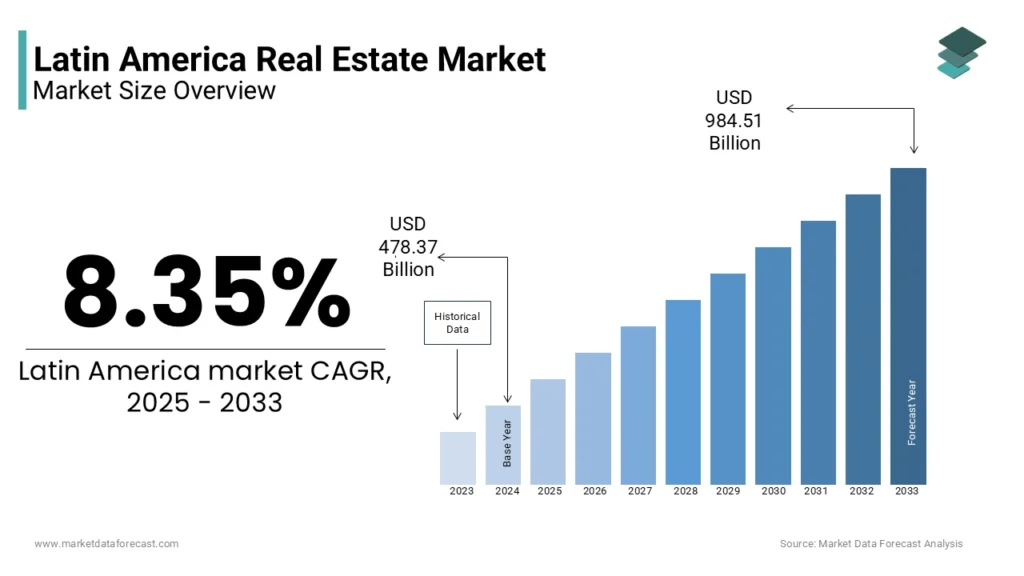
Latin America’s real estate market is forecast to double in value by 2033, supported by accelerating urbanization and ambitious affordable housing programs. Brazil’s government delivered 180,000 new affordable units in 2023, making São Paulo and Rio de Janeiro top destinations for development and investment. Cities like Bogotá and Santiago are experiencing a surge in villa and suburban housing, driven by urban professionals seeking more space. Investment is also flowing into mixed-use and smart city projects, reflecting demand for sustainable, amenity-rich environments across the region.

Investment in European Commercial Real Estate to Hit €214 Billion
Global

Investment in European Commercial Real Estate to Hit €214 Billion

Investment in European commercial real estate is expected to reach €214 billion in 2025, led by strong interest in logistics, mixed-use, and green-certified projects. Sustained demand from institutional investors reflects the appeal of stable, inflation-resistant assets. Growth sectors include last-mile logistics, student housing, and high-tech office spaces. Market sentiment, however, remains pragmatic, with 2026 projections indicating lower growth and heightened attention to asset selection amid economic uncertainty.

Housing Affordability and Shortage Drive Urgency for Reform in Europe
Global

Housing Affordability and Shortage Drive Urgency for Reform in Europe

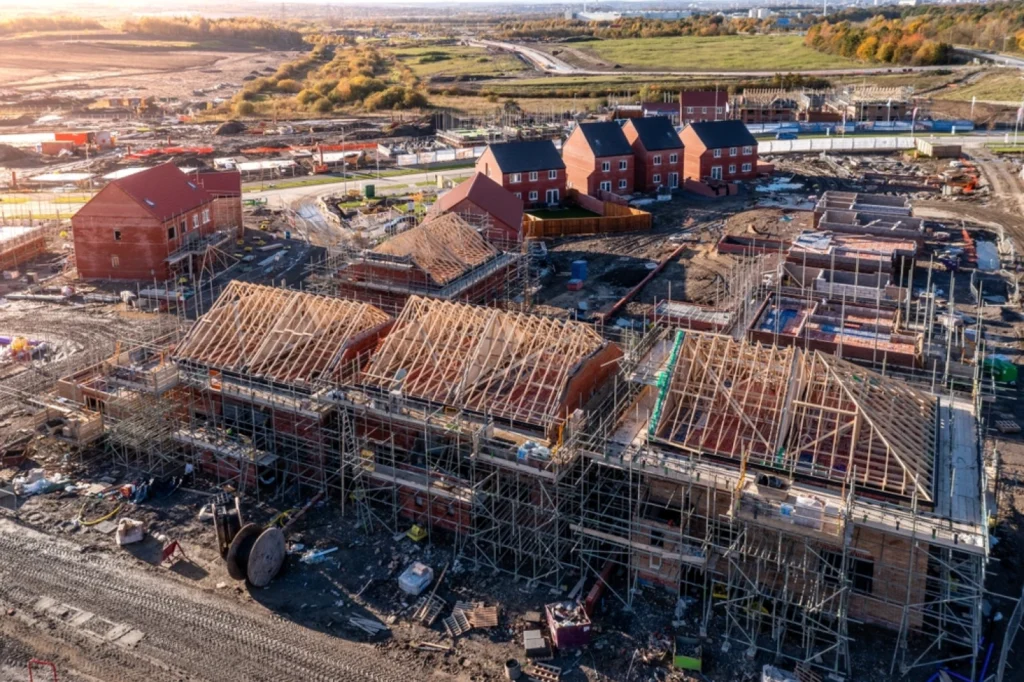
Rising prices and supply shortfalls across major European cities are fueling calls for comprehensive policy reform and deeper private-public cooperation. New partnerships between governments and developers aim to unlock land, streamline approvals, and accelerate affordable housing construction. The focus is on balancing sustainability goals with the need for faster delivery, as shortages are particularly acute in technology and business hubs like London, Berlin, and Amsterdam. Industry leaders see logistics, data centers, and infrastructure as prime areas for profitable investment as the region contends with structural shifts in work and living patterns.

France Leads Europe in Home Sales Growth with 10.4% Rise
Global

France Leads Europe in Home Sales Growth with 10.4% Rise

France has emerged as Europe’s housing market leader in 2025, posting a 10.4% increase in home sales, driven by robust demand in urban and coastal areas. The surge is attributed to government-backed lending programs and greater foreign investment, particularly in Paris and popular Mediterranean locations. Spain also recorded a 2.5% rise, signaling renewed confidence in vacation and second-home markets. By contrast, Poland’s market contracted nearly 18%, reflecting the impact of higher interest rates and slowing wage growth. Analysts warn that while some countries rebound, affordability concerns and limited supply could temper gains across the region in 2026.

Woodside Sells Stakes in Louisiana LNG and Driftwood Pipeline to Williams for $250 Million
Asia

Woodside Sells Stakes in Louisiana LNG and Driftwood Pipeline to Williams for $250 Million

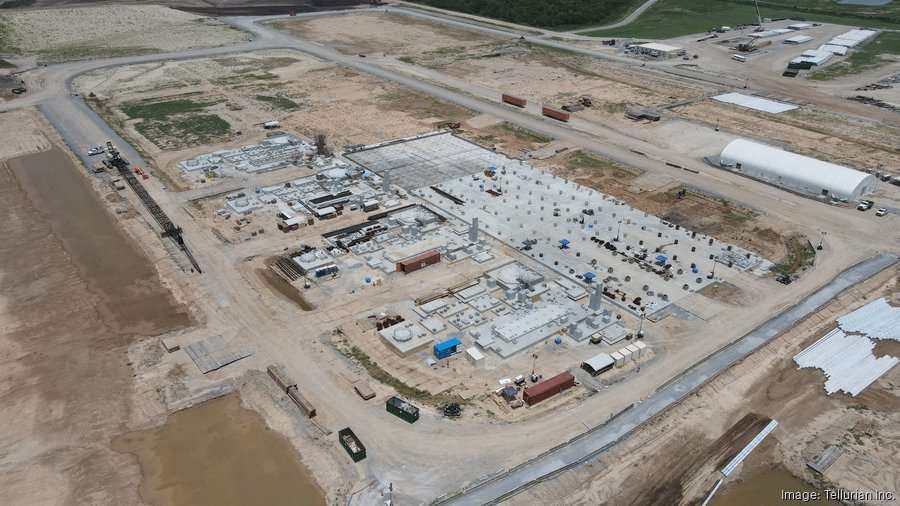
Australian energy company Woodside finalized the sale of a 10% interest in the Louisiana LNG export terminal and an 80% stake in the Driftwood Pipeline to US energy infrastructure firm Williams for $250 million. The deal supports Woodside’s capital recycling strategy, focusing on core upstream assets and expanding LNG export footprint. Williams gains long-term asset control and operational synergy in the Gulf Coast energy corridor. The transaction aligns with midstream market consolidation trends improving efficiency and shareholder value.

Asia’s LNG Demand Declines as Europe Surges with New Energy Imports
Asia

Asia’s LNG Demand Declines as Europe Surges with New Energy Imports

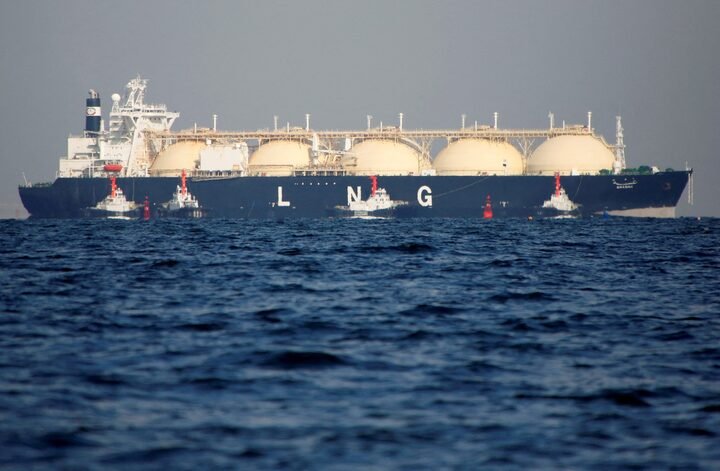
Asia’s LNG imports softened in 2025, falling below 2024 levels, while Europe’s demand surged significantly, up by over 16 million tons year-on-year. Data reveals Asia’s LNG imports stood at 22.84 million tons in October 2025, down from 24.39 million in October 2024. China notably reduced LNG purchases over the year. Conversely, Europe’s expansion in LNG imports comes as it diversifies energy sources away from Russia and boosts gas stockpiles ahead of winter. Analysts suggest Asia’s declining LNG appetite reflects policy shifts towards renewables and energy efficiency gains.

China Commits $470 Billion to Expand Domestic Oil and Gas Production
Asia

China Commits $470 Billion to Expand Domestic Oil and Gas Production

State-owned giants CNOOC, PetroChina, and Sinopec are set to lead a $470 billion investment program targeting major offshore and onshore oil and gas fields across China. The unprecedented spending spree aims to reduce China’s energy import dependency, increase domestic output, and bolster energy security amid global supply uncertainties. The government prioritizes leveraging advanced exploration technologies, boosting recovery rates, and expanding liquefied natural gas (LNG) infrastructure. This initiative aligns with China’s broader goals of energy transition while ensuring stable fossil fuel supply during the shift to renewables.

Mongolian Oil Production Rises 2% After Petro Matad’s Second Well Launch
Asia

Mongolian Oil Production Rises 2% After Petro Matad’s Second Well Launch

Mongolia’s oil production increased nearly 2% following AIM-listed Petro Matad bringing a second well online at its Oyut Ukhaa South Block in October. This boost reflects successful field development strategies and enhanced extraction technologies aimed at optimizing output. The company plans further drilling campaigns in the region to sustain growth and capitalize on rising domestic and export demand. Industry watchers see the development as a positive sign in Mongolia’s nascent upstream oil sector.

Asia Healthcare Holdings to Invest INR 400 Cr to Expand Nephrology & Urology Hospital Network in India
Asia

Asia Healthcare Holdings to Invest INR 400 Cr to Expand Nephrology & Urology Hospital Network in India

Asia Healthcare Holdings (AHH), backed by GIC and TPG, will invest INR 400 crore over five years to grow its nephrology and urology specialty hospital network from 7 to 20 locations. Focused on Tier 2 cities such as Patna and Bhubaneshwar, the expansion aims to elevate specialty care access beyond metropolitan centers. Flagship hospitals in Hyderabad and Chennai serve as models for integrated care with robust renal and urinary health services. AHH plans to enhance diagnostic capabilities, technology adoption, and specialist training in line with India’s rising burden of kidney disease.

HIMSS and Health IT Leaders Drive AI Adoption and Digital Transformation Across APAC Healthcare
Asia

HIMSS and Health IT Leaders Drive AI Adoption and Digital Transformation Across APAC Healthcare

The HIMSS25 Asia Pacific conference showcased increasing adoption of AI, digital health, and interoperability standards driving healthcare modernization in the region. Indian and South Korean systems emphasized foundational AI models for chronic diseases. Hospitals in Saudi Arabia and Hong Kong achieved Stage 7 HIMSS EMRAM certification, the gold standard in electronic medical records maturity. Telemedicine, robotic-assisted surgeries, and real-time biometrics enhance patient care with cost containment. Collaborative frameworks aim to streamline technology procurement and training.

Asian Universities Unite to Combat Climate Change Health Crisis
Asia

Asian Universities Unite to Combat Climate Change Health Crisis

Leading Asian universities have joined forces to address the health impacts of climate change through medical innovation and collaborative research. This initiative aims to engage youth and healthcare professionals in developing sustainable health models that mitigate climate-related disease burdens. A call to action at the 2025 International Conference urges increased investments in green health technologies and public health systems resilient to environmental stressors.

Asia Poised to Lead Global Healthcare Cooperation Integrating Traditional and Modern Medicine
Asia

Asia Poised to Lead Global Healthcare Cooperation Integrating Traditional and Modern Medicine

Asia is emerging as a global hub for comprehensive healthcare by blending traditional Chinese medicine (TCM) with biotechnology, regenerative medicine, and artificial intelligence. The “We Are The World” (WATW) Global Biohealth Summit held in Bangkok highlighted the need to integrate TCM with modern healthcare systems supported by AI and biotech innovation. Adrian Cheng, founder of Almad Group, stressed that acceptance within mainstream healthcare and insurance coverage is crucial for scaling these treatments globally. Delegates emphasized building a “Health Silk Road” to share knowledge and technologies across Asia and beyond, fostering inclusive healthcare accessible to all.

Asia-Pacific Property Market Hits All-Time Quarterly High of $63.8 Billion in Q3 2025
Asia

Asia-Pacific Property Market Hits All-Time Quarterly High of $63.8 Billion in Q3 2025

Knight Frank reported Asia-Pacific property markets achieved a quarterly investment volume record of $63.8 billion in Q3 2025, marking a 57% increase over the previous year. Commercial assets, including offices, retail, hospitality, and coworking spaces, accounted for nearly 80% of total investments. Investors are shifting to income-growth and active asset management strategies, favoring defensive sectors. Year-to-date activity reached 80% of 2024’s annual total, with expectations of crossing $195 billion in total annual investment, buoyed by urbanization and digital economy growth.

Asia-Pacific Commercial Real Estate Investment Surges 23% to $131 Billion in 2024
Asia

Asia-Pacific Commercial Real Estate Investment Surges 23% to $131 Billion in 2024

Commercial real estate investments in Asia-Pacific rose 23% year-on-year to a record $131 billion in 2024, signaling a robust recovery driven by industrial, office, and data center demand. However, the market faces structural shifts as investors favor operationally intensive assets. Data centers displaced logistics as preferred sectors due to digital infrastructure needs. Tenants increasingly demand integrated services and sustainability certifications. Analysts note declining passive investment interest, with fundraising for Asia-focused real estate funds down 53% over two years, highlighting a shift toward active asset management.

Madison International Realty Plans Initial Investments in Asia’s Secondary Real Estate Market
Asia

Madison International Realty Plans Initial Investments in Asia’s Secondary Real Estate Market

Global real estate investment firm Madison International Realty disclosed plans to start deploying capital into Asia’s secondary real estate markets in 2026, targeting untapped value opportunities. Founder Ron Dickerman characterized the current environment as “very intriguing” amid macroeconomic shifts. The firm aims to invest in multifamily, office, and industrial assets within mid-tier cities showing strong population and economic growth yet less exposure to global capital. The secondary market strategy reflects a maturing Asian real estate landscape where investors seek diversified risk-adjusted returns beyond major metropolitan hubs.

Blackstone Appoints Urvish Rambhia CEO of Mumbai-Based Horizon Industrial Parks
Asia

Blackstone Appoints Urvish Rambhia CEO of Mumbai-Based Horizon Industrial Parks

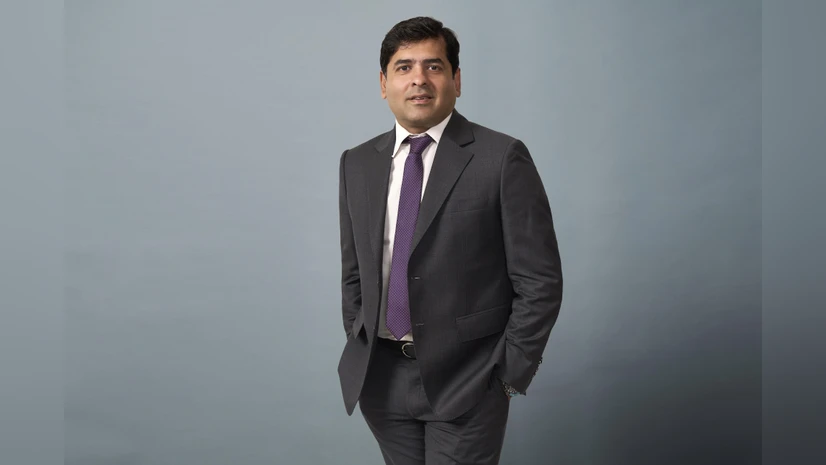
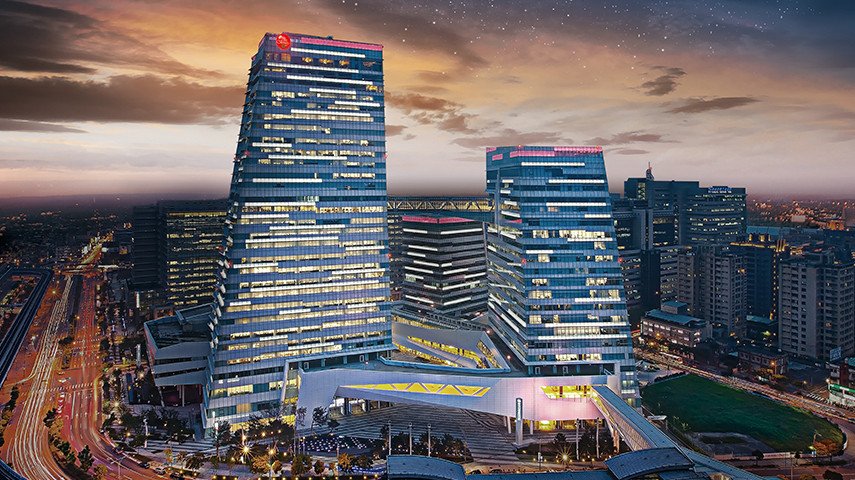
Private equity giant Blackstone has appointed Urvish Rambhia as CEO of Horizon Industrial Parks, overseeing the company’s industrial and logistics real estate platform in Mumbai and broader India. Rambhia brings two decades of experience in leasing, asset management, and development. Horizon Industrial Parks is expanding rapidly to meet e-commerce and supply chain needs amid India’s urbanization and digital economy growth. The company’s focus is on sustainable logistics hubs and integrated industrial ecosystems to boost efficiency and environmental performance, aligned with rising investor demand for operational excellence in industrial real estate.

Asian Markets Navigate Volatile Economic Environment with Cautious Optimism
Asia

Asian Markets Navigate Volatile Economic Environment with Cautious Optimism

Asian banking equities faced volatility amid global uncertainty, with markets reacting to slowed exports from China and cautious US Federal Reserve statements. Currency fluctuations and inflation outlook shape central bank policy decisions throughout the region. Equity performance varies with heightened tech stock sensitivity and investor repositioning. Strong capital buffers among Asian banks provide resilience, supporting credit supply amid challenging growth prospects.

Malaysia Expands Data Centre Connectivity to Support Financial Sector Digitalization
Asia

Malaysia Expands Data Centre Connectivity to Support Financial Sector Digitalization

Regional data centre provider Equinix continues connecting multi-cloud financial services hubs across Malaysia and Southeast Asia to support banking digital transformation. These interconnection hubs enable secure, low-latency data sharing and facilitate financial institutions’ adoption of AI, open banking, and blockchain technologies. Equinix’s network accelerates payments processing, data analytics, and compliance reporting, enhancing banking sector competitiveness.

Philippines Sees Credit Confidence Stall Amid Fraud and Economic Concerns
Asia

Philippines Sees Credit Confidence Stall Amid Fraud and Economic Concerns

Credit growth and confidence in the Philippines have slowed due to rising concerns about loan fraud, payment delinquencies, and economic uncertainties. Banks are increasing fraud risk management investment and tightening lending criteria across sectors. Despite challenges, digital lending platforms are expanding access for underserved segments, contributing to long-term financial inclusion. The central bank monitors credit quality to ensure systemic stability.

Hong Kong and Singapore Focus on Open Banking and Digital Asset Growth
Asia

Hong Kong and Singapore Focus on Open Banking and Digital Asset Growth

Hong Kong’s monetary authority is easing information-sharing among banks to strengthen anti-fraud capabilities, while Singapore’s OCBC plans additional capital distribution amid growing digital asset adoption. Both financial centers are fostering digital innovation, with Singapore seeing significant uptake in private market wealth products and digital wealth management. Hong Kong is preparing regulatory frameworks to encourage safe digital asset services while protecting investors. Collaboration between fintech and traditional banking players catalyzes regional growth.

DBS Bank Launches Generative AI Chatbot “DBS Joy” for Corporate Customers
Asia

DBS Bank Launches Generative AI Chatbot “DBS Joy” for Corporate Customers

DBS Bank has expanded “DBS Joy,” its generative AI co-pilot, to provide prompt, personalized support to corporate banking clients. Through AI-enhanced chatbot interactions, DBS Joy has improved customer satisfaction by 23%, handling routine queries and freeing human staff for complex tasks. The technology supports over 120,000 monthly chats and is planned to be rolled out across Southeast Asia. DBS’s AI deployment demonstrates a successful blend of automation and personalized banking, with a particular focus on empowering SMEs with digital financial services.

Asian Development Bank Approves $100 Million Support Package for Sri Lanka’s Economy
Asia

Asian Development Bank Approves $100 Million Support Package for Sri Lanka’s Economy

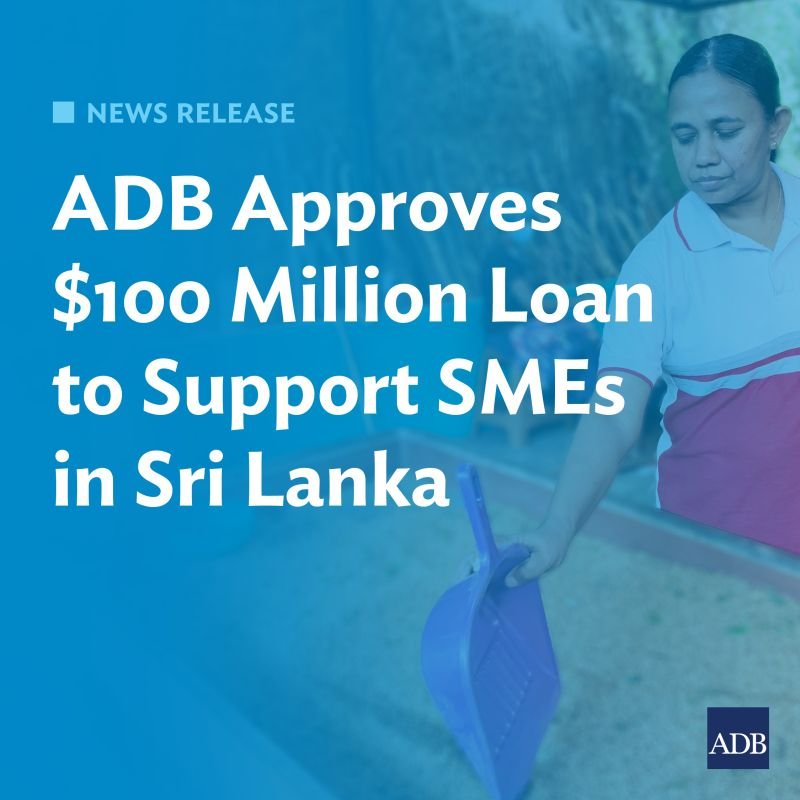
The Asian Development Bank (ADB) has approved $100 million to strengthen Sri Lanka’s macroeconomic resilience, fiscal governance, and digital economy transformation. The assistance focuses on budget transparency, digital payments infrastructure, and renewable energy scaling. It aims to restore investor confidence and economic stability as Sri Lanka navigates post-crisis recovery. The ADB concurrently invested in ReNew Energy projects to help decarbonize South Asia’s power generation, aligning with climate and development objectives.

Asia

CTBC Bank Sweeps 14 The Asian Banker Awards for AI and Innovation

Taiwan’s CTBC Bank has achieved remarkable recognition, winning 14 awards from The Asian Banker for advanced AI-driven banking platforms, cybersecurity, and retail banking innovation. CTBC’s AI-powered credit decisioning, fraud detection, and customer personalization have set new standards in Taiwan. The bank’s zero-trust security architecture and use of biometrics enhance trust and compliance. Sustainability initiatives aligned with global development goals further distinguish CTBC. The awards showcase how leading Asian banks leverage technology and sustainability to drive customer engagement and operational efficiency.

Asian Banking & Finance Highlights Growing Digital Payment Adoption and E-CNY Service Expansion
Asia

Asian Banking & Finance Highlights Growing Digital Payment Adoption and E-CNY Service Expansion

Asian banks are fast-tracking adoption of digital payment systems, including the rollout of the e-CNY merchant payment service by Hang Seng Bank and China Construction Bank in Hong Kong. The new service enables seamless payments using e-CNY wallets at over 100 merchants in the city. The Philippines, Singapore, and Malaysia are also accelerating instant payment adoption via platforms like PayNow and FAST, reducing cheque usage ahead of planned 2027 phaseouts. Despite enthusiasm, around 13% of Asian financial institutions remain uncertain about readiness timelines for supporting instant payments. Meanwhile, banks like Macquarie and OCBC continue to report strong capital positions and investor returns, balancing growth with risk management.

Deepinder Goyal of Eternal Forging a Future-Ready Ecosystem Amid Uncertainty
Global

Deepinder Goyal of Eternal: Forging a Future-Ready Ecosystem Amid Uncertainty

Deepinder Goyal, widely recognized for his leadership in technology-driven innovation, currently spearheads the transformation of Eternal into a formidable ecosystem. Featured in Fortune India’s “India’s Best CEOs 2025” special issue, Goyal shared his journey of navigating market uncertainties by prioritizing agility, strategic partnerships, and customer-centric innovation.

Ali Ghodsi of Databricks Accelerating AI and Automation for the Future Economy
Global

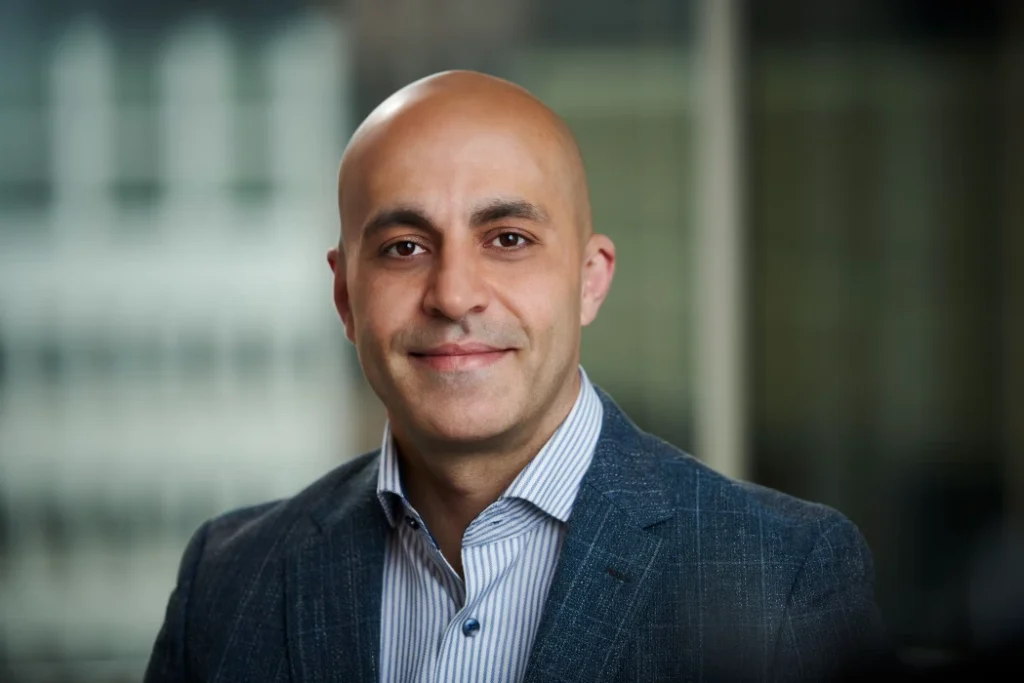
Ali Ghodsi of Databricks: Accelerating AI and Automation for the Future Economy

Databricks CEO Ali Ghodsi recently appeared on CNBC, where he articulated a bold vision for AI automation and strategic partnerships that are reshaping the company’s trajectory. Ghodsi explained how Databricks is leveraging data and AI to empower enterprises to harness automation, driving efficiency and innovation at scale. Central to Ghodsi’s strategy is breaking down data silos and democratizing access to AI tools across industries. He emphasized that the intersection of AI and cloud technology will fuel the next phase of industrial productivity. By creating an open platform, Databricks aims to foster collaboration among data scientists, engineers, and business users, accelerating AI adoption. Ghodsi also shed light on key partnerships with cloud giants and industry leaders, essential for broadening Databricks’ market reach and technology stack integration. He underlined the importance of ethical AI, ensuring transparency and mitigating bias in automated systems, a commitment that resonates amidst rising regulatory scrutiny. Looking forward, Ghodsi anticipates a future landscape where AI augmentation drastically enhances decision-making, operation workflows, and customer engagement. Through relentless innovation and strategic alliances, Databricks is positioned to be a cornerstone of this new economy.

Max Levchin, CEO of Affirm
Uncategorized

Max Levchin, CEO of Affirm: The AI Revolution and Its Economic Impact

Max Levchin, CEO of Affirm, discussed the evolving role of AI in the economy and its implications for the workforce in a November 2025 Yahoo Finance interview. Levchin posited that while AI will automate routine tasks, it also creates new opportunities for economic growth and job transformation. Levchin stressed the importance of proactive workforce reskilling to ensure that employees can thrive alongside AI technologies. He highlighted Affirms commitment to leveraging AI to enhance customer experience and operational agility without displacing human judgement. Levchin also discussed the broader societal need for policy interventions that balance innovation with social equity, emphasizing education and training as vital levers. His vision is optimistic yet grounded, viewing AI as a catalyst for redefining work rather than a threat. Affirms pioneering use of AI in fintech exemplifies how technology can drive inclusion and efficiency in financial services, reflecting Levchin’s forward-looking leadership.

Latin America Redefines Cross-Border Payments
Global

Latin America Redefines Cross-Border Payments

Latin America is experiencing a rapid transformation in cross-border payments, with fintech-driven innovation setting new industry benchmarks for speed, transparency, and cost reductions. Banks and technology firms are partnering to enable real-time remittances, instant transaction confirmations, and clear fee disclosures for individuals and corporate clients. Broader adoption of digital financial infrastructure is breaking down traditional barriers to cross-border commerce, making international payments more accessible for a growing number of consumers in the region.

Paraguay’s Booming Economy Earns Investment Grade
Global

Paraguay’s Booming Economy Earns Investment Grade

Paraguay’s stellar economic performance has earned it investment grade status from leading credit agencies, unlocking new opportunities for banking sector growth and foreign direct investment. The upgrade is attributed to Paraguay’s prudent fiscal management, expanding export sectors, and improvements in governance. Local banks are expected to benefit from greater access to affordable funding while enabling more robust lending to private sector clients. Analysts anticipate this positive rating will encourage further reforms in the financial sector and catalyze additional regional investments.

Central Banks in Latin America Grapple with Inflation
Global

Central Banks in Latin America Grapple with Inflation

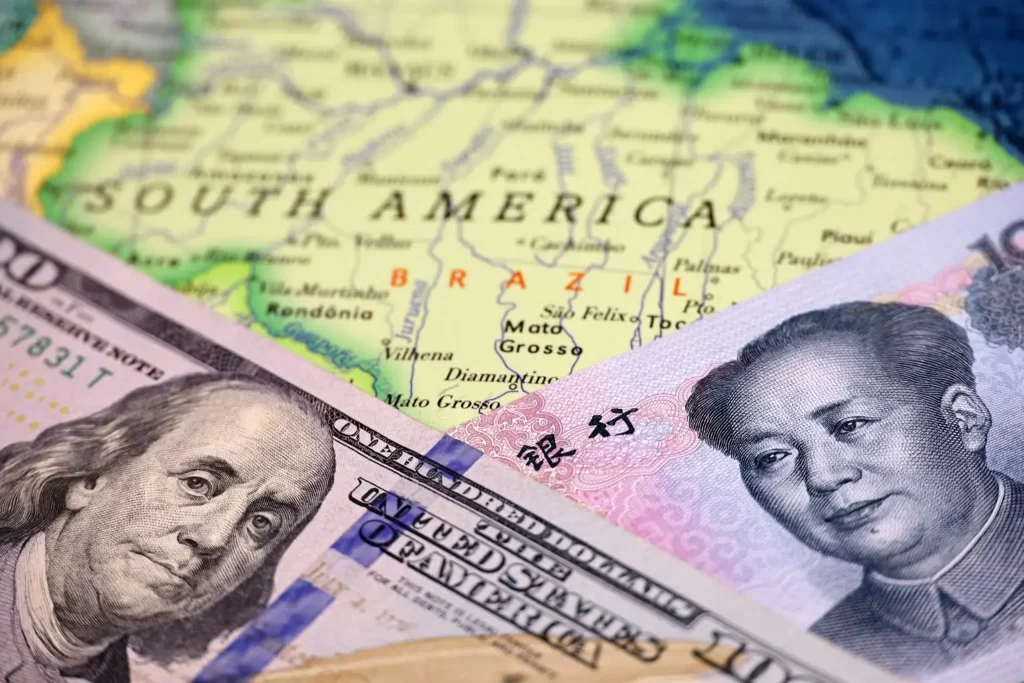
Central banks across Latin America face steep challenges aiming to curb stubborn inflation, with Brazil leading the region in maintaining a tight monetary policy stance. Brazil’s central bank has signaled it will keep policy rates high into the foreseeable future, citing persistent inflationary pressures. Other major economies, such as Mexico and Chile, are adopting a mix of rate hikes and macroprudential measures to strike a balance between stability and growth. The efforts are monitored by international investors who see the region’s flexible and pragmatic policymaking as crucial to attracting sustainable, long-term capital inflows.

Brazil Extends Leadership in Open Finance
Global

Brazil Extends Leadership in Open Finance

Brazil has cemented its position as the leading open finance market in Latin America, witnessing a surge in data-sharing volumes and API-driven innovations throughout 2025. The country’s vibrant fintech sector has propelled growth in open banking and finance, with millions of consumers and businesses benefitting from simplified account aggregation, improved lending products, and real-time payment services. Regulatory frameworks have been crucial in standardizing interfaces and ensuring privacy and security, drawing praise from the international community. This rapid digital transformation is not only increasing competition but also broadening financial access and deepening capital market development in Brazil and the wider Latin American region.

Central Bank of Ireland
Global

Central Bank of Ireland Warns on Evolving Fraud Threats

The Central Bank of Ireland has issued a warning about the changing nature of fraud threats facing the country’s financial institutions, following new cases involving crypto firms and advances in online scam techniques. Recent enforcement actions include strong sanctions on a crypto firm for failures in anti-money laundering (AML) compliance, underscoring banks’ responsibilities in vetting new entrants to the financial system. The bank also highlights an uptick in ‘deepfake’ and social engineering scams, urging both banks and consumers to be vigilant. Regulatory bodies are working closely with law enforcement and technology platforms to develop countermeasures, while emphasizing the importance of customer education and cross-border collaboration.

Climate Performance Now Critical to Euro Area Bank Credit Assessments
Global

ECB: Climate Performance Now Critical to Euro Area Bank Credit Assessments

The European Central Bank (ECB) has announced that banks’ climate risk management and sustainability credentials have become crucial factors in evaluating creditworthiness in the euro area. In its latest guidance, the ECB underscores that climate-related financial risk will directly influence how euro area banks are assessed for access to central bank credit. Institutions making progress on emissions reduction and green financing will have greater access to funding, while laggards could face tougher borrowing conditions. The ECB’s move aligns with broader EU climate goals and is expected to incentivize integration of environmental risk analysis within European banking strategies, promoting a shift to greener investments and project financing.

Europe Banking
Global

Europe’s Banking Sector Outperforms US Counterparts; Investor Sentiment Strong

Europe’s banking sector is outperforming US counterparts this quarter as investors flock to high-yield assets and subordinate bank debt, buoyed by stable monetary policy and robust systemic fundamentals. With ECB policies offering clarity and commitment, European banks have delivered a 45% gain in equity year-to-date. Investors are drawn by high-quality subordinated debt offerings, which provide better risk-adjusted yields than US counterparts. Europe’s banking system, seen as structurally sounder than in previous years, is also benefitting from renewed global investor confidence in light of ongoing US political and monetary uncertainty. The sector’s current momentum reflects broader economic optimism and continued trust in regulatory stewardship in the Eurozone.

Digital Euro
Global

Italian Banks Back Digital Euro, Urge Staggered Implementation Due to Costs

Italy’s leading banks have voiced strong backing for the digital euro, but caution that its rollout should be phased to help offset the substantial cost of transition and integration into daily banking operations. Italy’s banking sector, represented by major associations, supports the European Central Bank’s (ECB) pilot to create a digital euro as a secure, widely accessible form of money. Bank executives argue that costs tied to IT upgrades, staff training, and customer engagement could burden institutions if introduced too rapidly. They call for a gradual adoption strategy, wherein expenses can be managed over several years, preventing disruption to current services and business models. Analysts believe the digital euro could enhance transaction efficiency and cross-border payments but stress the importance of careful planning to sustain trust and stability in Europe’s banking landscape.

Deutsche Bank
Global

Deutsche Bank Nears €1 Billion Risk Transfer Deal with European Investment Fund

Deutsche Bank is on the verge of finalizing a significant €1 billion synthetic risk transfer (SRT) transaction with the European Investment Fund, marking a major step in risk management and capital optimization for one of Europe’s largest financial institutions. The SRT deal is anticipated to allow Deutsche Bank to free up capital and better manage its credit exposure, a move that bolsters resilience in a fluctuating global economy. The European Investment Fund will assume a slice of risk from over €10 billion in corporate loans, supporting more stable balance sheets for the German lender while incentivizing continued lending to the real economy. The agreement points to increasing private and public sector cooperation in broadening access to capital and ensuring liquidity remains robust amid evolving regulatory requirements. Market analysts view the transaction as a sign of strengthening risk management frameworks in the eurozone banking system.

Featured, Global

Global Smartphone Revolution: OnePlus 15 and Vivo X300 Series Lead October 2025 Flagship Launches

Premium Smartphone Market Witnesses Unprecedented Innovation Wave October 2025 is emerging as a landmark month for the global smartphone industry, with major manufacturers including OnePlus, Vivo, OPPO, and iQOO preparing to unveil their next-generation flagship devices. These launches represent significant technological advances in processing power, camera capabilities, and artificial intelligence integration that are reshaping consumer expectations for premium mobile devices. The OnePlus 15, expected to make its global debut in October, represents a significant leap forward in smartphone technology. The device will be powered by the Qualcomm Snapdragon 8 Elite Gen 5 processor, paired with 12GB of RAM and 256GB of internal storage, delivering unprecedented performance for mobile computing applications. The smartphone features a revolutionary triple rear camera setup with three 50MP sensors, providing professional-grade photography capabilities across ultra-wide, main, and telephoto configurations. One of the most impressive specifications of the OnePlus 15 is its 6.78-inch LTPO OLED display with a remarkable 165Hz refresh rate, offering incredibly smooth visual experiences for gaming, video content, and general usage. The device is powered by a massive 7000mAh battery coupled with 120W fast charging support, addressing one of the most common consumer concerns about smartphone battery life and charging speed. Vivo X300 Series: AI-Powered Photography Innovation The Vivo X300 Pro, confirmed to launch in India on October 13, 2025, showcases the company’s commitment to computational photography and artificial intelligence integration. The device will run on the MediaTek Dimensity 9500 processor paired with 12GB of RAM and 256GB of internal storage, providing flagship-level performance optimized for AI-enhanced features. The standout feature of the Vivo X300 Pro is its triple rear camera system, headlined by a 200MP periscope telephoto shooter that promises to revolutionize mobile photography capabilities. This advanced camera system leverages artificial intelligence for scene recognition, optimization, and post-processing, enabling users to capture professional-quality images in various lighting conditions and scenarios. Market Context and Industry Trends The October 2025 smartphone launches reflect broader industry trends toward AI integration, enhanced computational photography, and improved battery technology. Manufacturers are increasingly focusing on differentiating their devices through advanced camera capabilities, with AI-powered features becoming standard across flagship models. The OPPO Find X9 Ultra, expected to launch on October 16, will also feature the MediaTek Dimensity 9500 processor, indicating the growing competition between Qualcomm and MediaTek in the premium smartphone processor market. This competition is driving rapid innovation in mobile chipset design, with both companies pushing the boundaries of performance, efficiency, and AI capabilities. These launches come at a critical time for the smartphone industry, as manufacturers seek to reignite consumer interest in premium devices following several quarters of declining sales. The integration of advanced AI features, improved camera systems, and enhanced battery technology represents the industry’s response to evolving consumer preferences and the increasing importance of mobile devices in daily life. The concentration of major launches in October 2025 suggests that manufacturers are positioning their devices for the crucial fourth-quarter sales period, targeting both domestic and international markets with feature-rich flagship smartphones designed to compete directly with established leaders in the premium segment. Future Implications for Mobile Technology These upcoming launches signal the smartphone industry’s continued evolution toward AI-centric devices that serve as comprehensive digital assistants rather than simple communication tools. The emphasis on computational photography, extended battery life, and high-performance processing indicates that smartphones are becoming increasingly sophisticated computing platforms capable of handling complex tasks previously reserved for laptops and desktop computers. The competitive landscape in October 2025 demonstrates the rapid pace of innovation in mobile technology, with manufacturers pushing the boundaries of what’s possible in portable computing devices while maintaining the form factors and user experiences that consumers expect from premium smartphones.

Paul Carvouni, CEO
Salesforce

Scroll to Top