
Southeast Asian banks brace for softer loan growth as risks rise
Banks across Southeast Asia are preparing for weaker loan growth and a more challenging operating environment as economic momentum moderates and trade‑related risks mount.
Banks across Southeast Asia are preparing for weaker loan growth and a more challenging operating environment as economic momentum moderates and trade‑related risks mount.
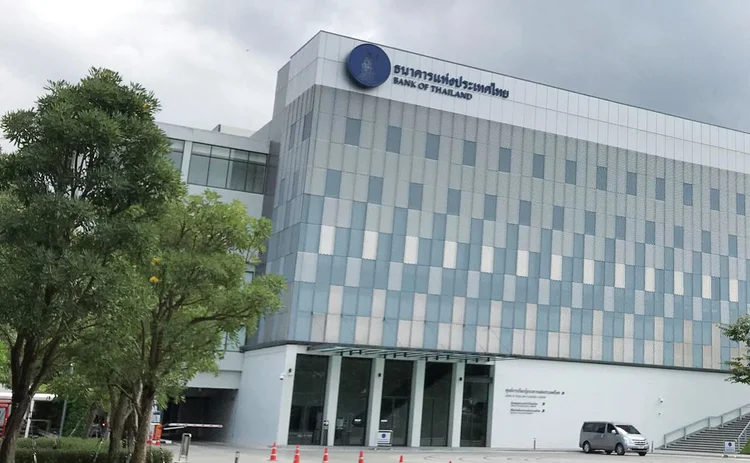
The Bank of Thailand (BoT) cut its benchmark policy rate by 25 basis points to 1.25% on Wednesday, stepping up monetary support as growth remains weaker than earlier forecasts and inflation stays subdued
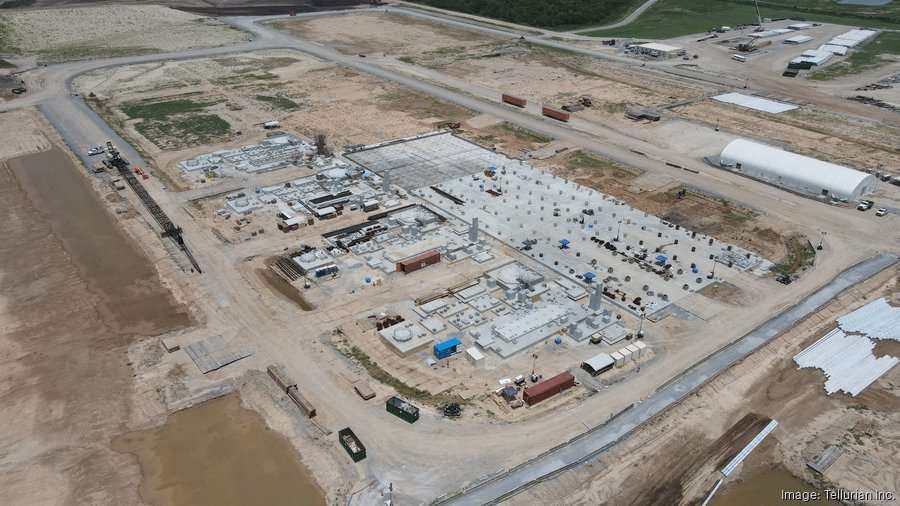
Australian energy company Woodside finalized the sale of a 10% interest in the Louisiana LNG export terminal and an 80% stake in the Driftwood Pipeline to US energy infrastructure firm Williams for $250 million. The deal supports Woodside’s capital recycling strategy, focusing on core upstream assets and expanding LNG export footprint. Williams gains long-term asset control and operational synergy in the Gulf Coast energy corridor. The transaction aligns with midstream market consolidation trends improving efficiency and shareholder value.
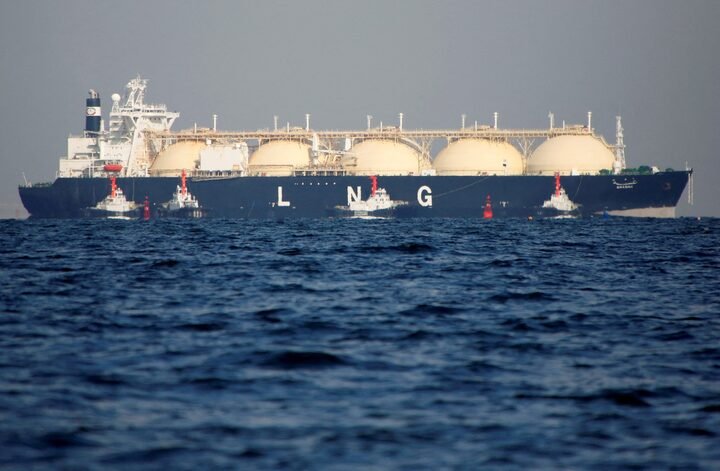
Asia’s LNG imports softened in 2025, falling below 2024 levels, while Europe’s demand surged significantly, up by over 16 million tons year-on-year. Data reveals Asia’s LNG imports stood at 22.84 million tons in October 2025, down from 24.39 million in October 2024. China notably reduced LNG purchases over the year. Conversely, Europe’s expansion in LNG imports comes as it diversifies energy sources away from Russia and boosts gas stockpiles ahead of winter. Analysts suggest Asia’s declining LNG appetite reflects policy shifts towards renewables and energy efficiency gains.
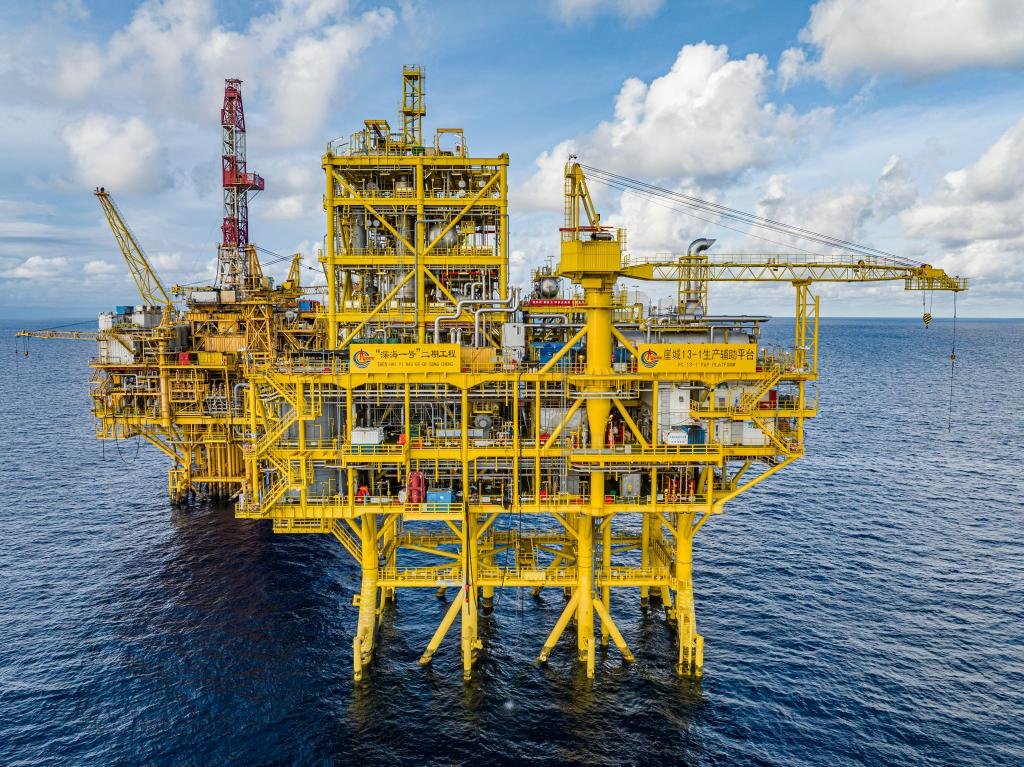
State-owned giants CNOOC, PetroChina, and Sinopec are set to lead a $470 billion investment program targeting major offshore and onshore oil and gas fields across China. The unprecedented spending spree aims to reduce China’s energy import dependency, increase domestic output, and bolster energy security amid global supply uncertainties. The government prioritizes leveraging advanced exploration technologies, boosting recovery rates, and expanding liquefied natural gas (LNG) infrastructure. This initiative aligns with China’s broader goals of energy transition while ensuring stable fossil fuel supply during the shift to renewables.

Mongolia’s oil production increased nearly 2% following AIM-listed Petro Matad bringing a second well online at its Oyut Ukhaa South Block in October. This boost reflects successful field development strategies and enhanced extraction technologies aimed at optimizing output. The company plans further drilling campaigns in the region to sustain growth and capitalize on rising domestic and export demand. Industry watchers see the development as a positive sign in Mongolia’s nascent upstream oil sector.
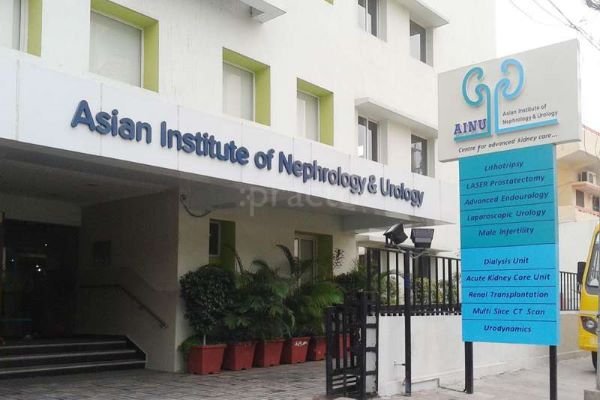
Asia Healthcare Holdings (AHH), backed by GIC and TPG, will invest INR 400 crore over five years to grow its nephrology and urology specialty hospital network from 7 to 20 locations. Focused on Tier 2 cities such as Patna and Bhubaneshwar, the expansion aims to elevate specialty care access beyond metropolitan centers. Flagship hospitals in Hyderabad and Chennai serve as models for integrated care with robust renal and urinary health services. AHH plans to enhance diagnostic capabilities, technology adoption, and specialist training in line with India’s rising burden of kidney disease.
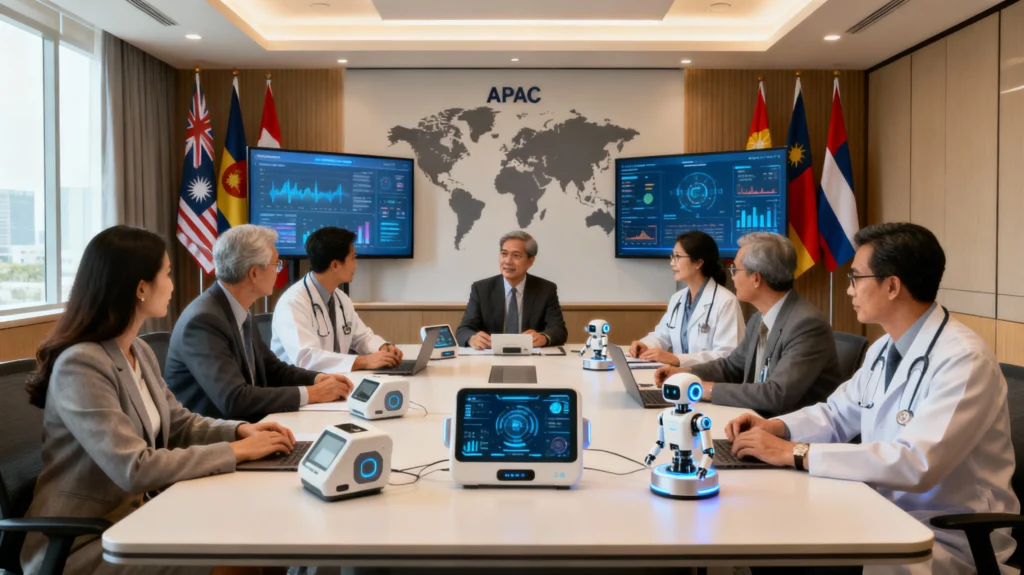
The HIMSS25 Asia Pacific conference showcased increasing adoption of AI, digital health, and interoperability standards driving healthcare modernization in the region. Indian and South Korean systems emphasized foundational AI models for chronic diseases. Hospitals in Saudi Arabia and Hong Kong achieved Stage 7 HIMSS EMRAM certification, the gold standard in electronic medical records maturity. Telemedicine, robotic-assisted surgeries, and real-time biometrics enhance patient care with cost containment. Collaborative frameworks aim to streamline technology procurement and training.

Leading Asian universities have joined forces to address the health impacts of climate change through medical innovation and collaborative research. This initiative aims to engage youth and healthcare professionals in developing sustainable health models that mitigate climate-related disease burdens. A call to action at the 2025 International Conference urges increased investments in green health technologies and public health systems resilient to environmental stressors.
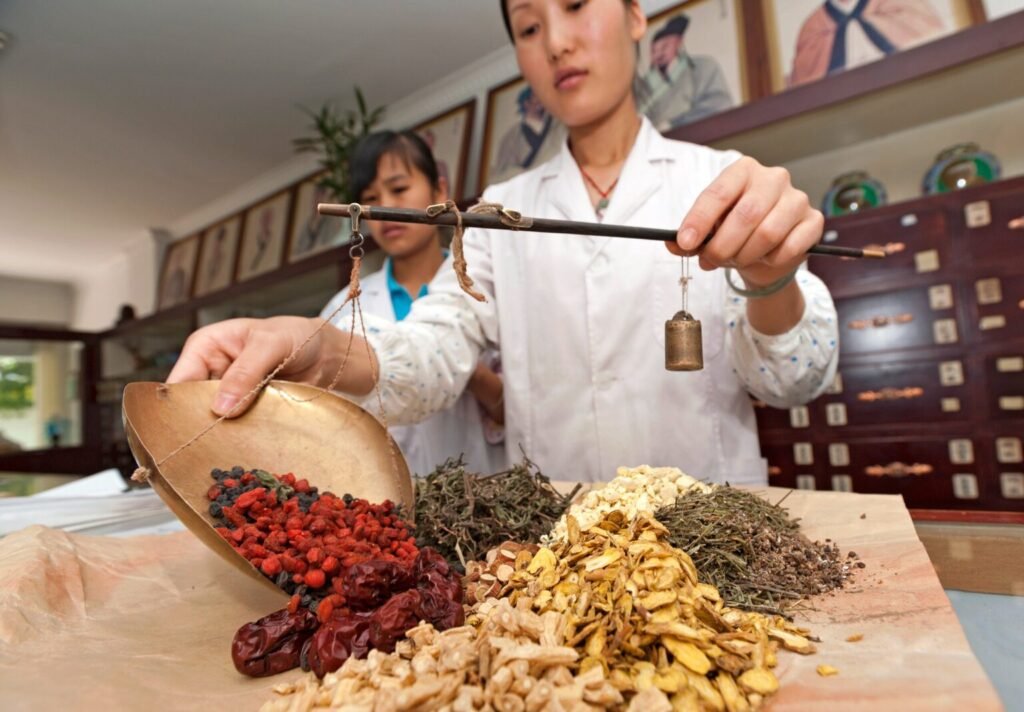
Asia is emerging as a global hub for comprehensive healthcare by blending traditional Chinese medicine (TCM) with biotechnology, regenerative medicine, and artificial intelligence. The “We Are The World” (WATW) Global Biohealth Summit held in Bangkok highlighted the need to integrate TCM with modern healthcare systems supported by AI and biotech innovation. Adrian Cheng, founder of Almad Group, stressed that acceptance within mainstream healthcare and insurance coverage is crucial for scaling these treatments globally. Delegates emphasized building a “Health Silk Road” to share knowledge and technologies across Asia and beyond, fostering inclusive healthcare accessible to all.