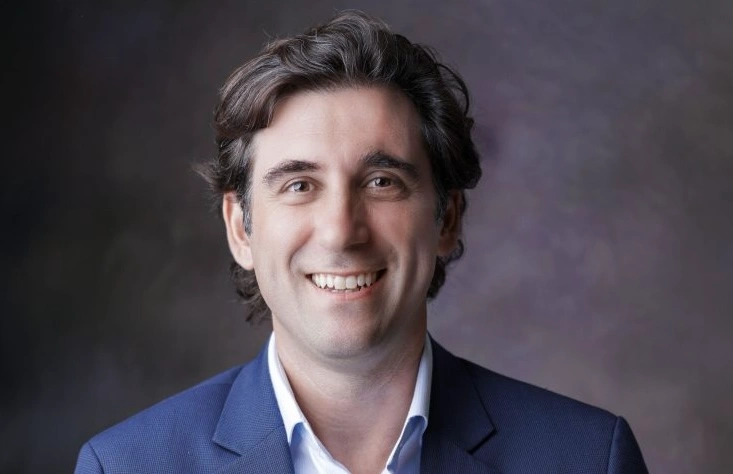
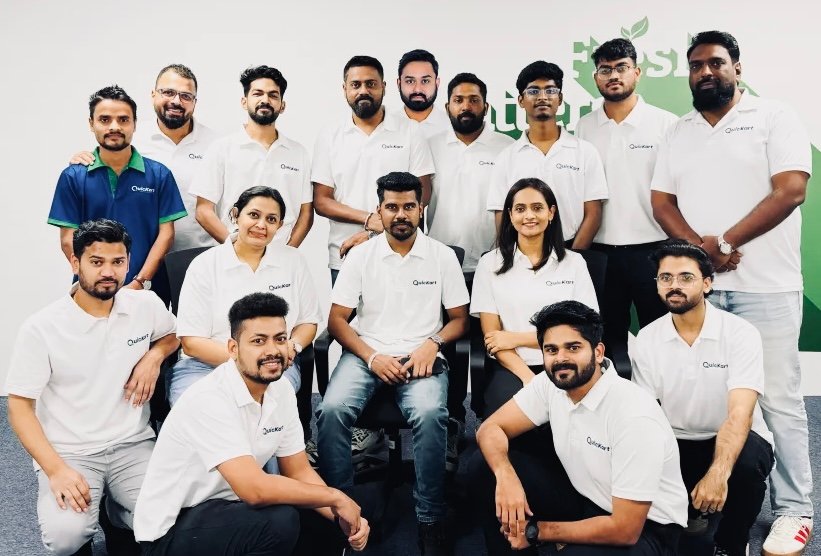
QuicKart Secures $1.5M Seed Fueling UAE Farm-to-Table Revolution
QuicKart raises US$1.5M seed to scale hyperlocal produce delivery serving 2.8M urban consumers.
QuicKart raises US$1.5M seed to scale hyperlocal produce delivery serving 2.8M urban consumers.

Luma AI opens Riyadh office partnering Publicis Groupe Middle East to embed multimodal AI in MENA advertising.
Kuwait Reinsurance reports KD 28M quarterly profits driving annual guidance upward.

Tawuniya secures SAR 2.8B health contracts driving record profitability across employee schemes.
MedGulf absorbs Buruj creating SAR 1.38bn insurance giant serving diverse Saudi market segments.

PureHealth launches state-of-the-art AI diagnostic center serving 9.2M UAE residents with genomic sequencing.
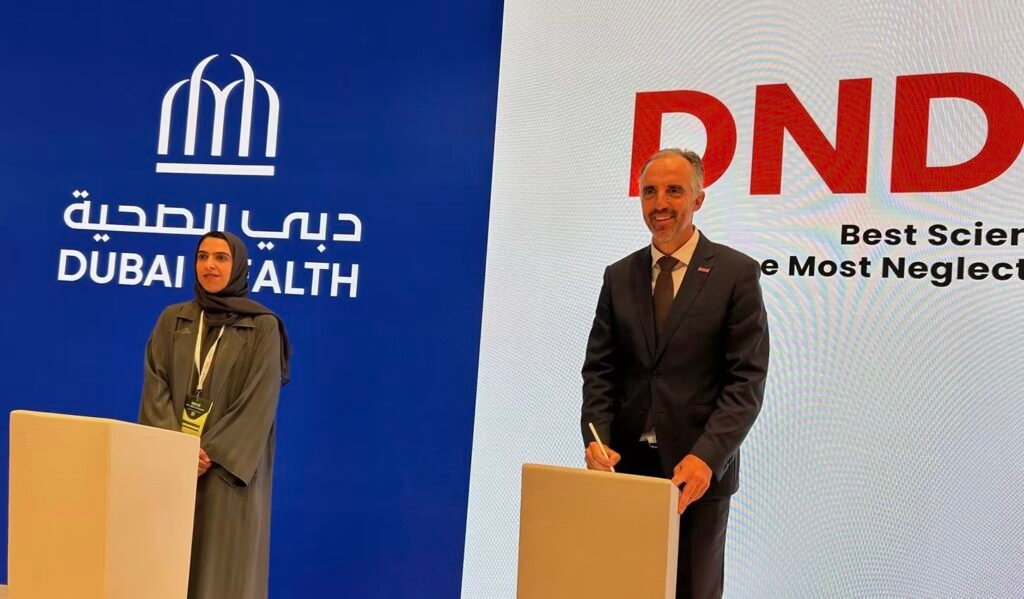
Dubai Health signs landmark MoU with DNDi at WHX launching first regional neglected diseases collaboration.

PayMint launches Meeza prepaid cards in partnership with ADIB-Egypt across merchant network.
Khazna raises US$16M pre-Series B to secure digital banking license and enter Saudi Arabia.
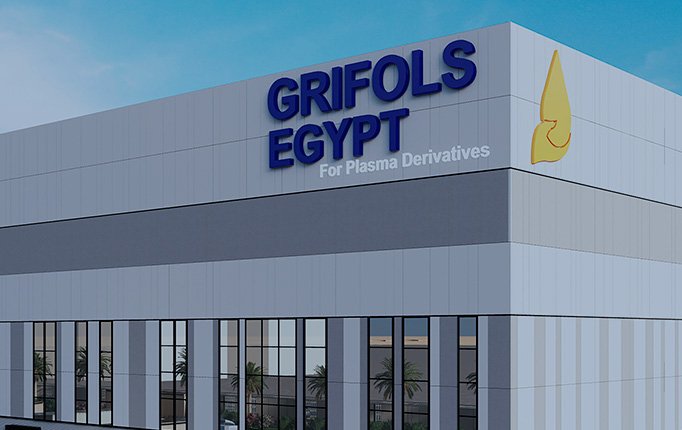
Grifols activates full plasma processing capability ahead of 2026 commercial launch.
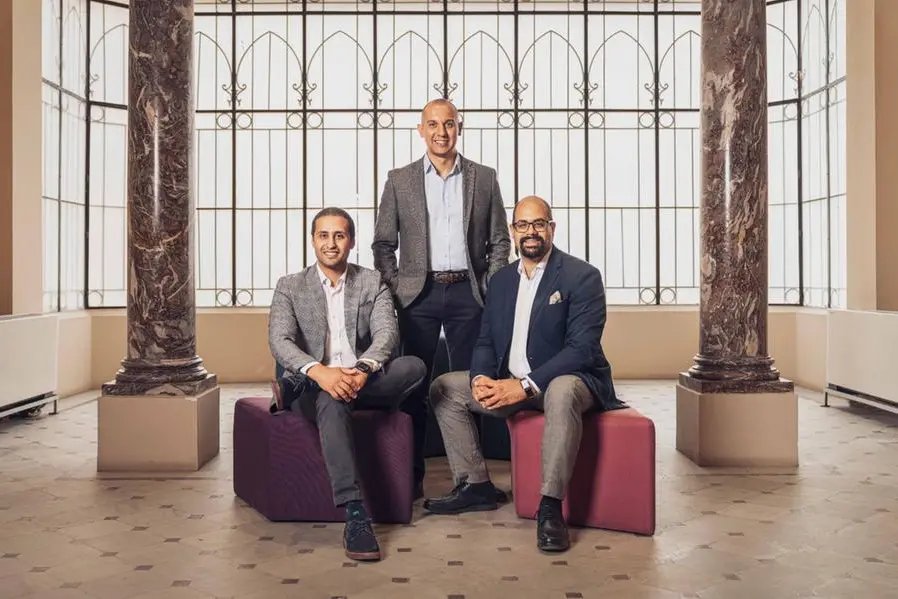
SehaTech transforms premiums and claims via decentralized ledgers, drawing Hub71 investment.
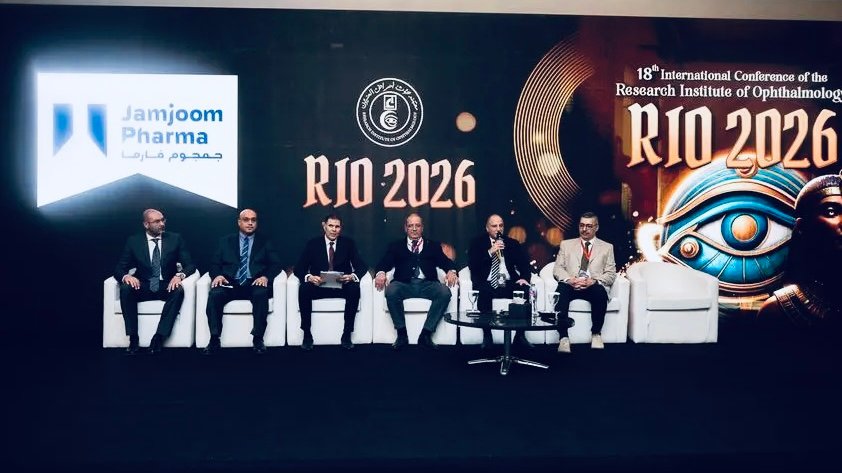
Jamjoom signs R&D cooperation agreement targeting advanced ophthalmic treatments.
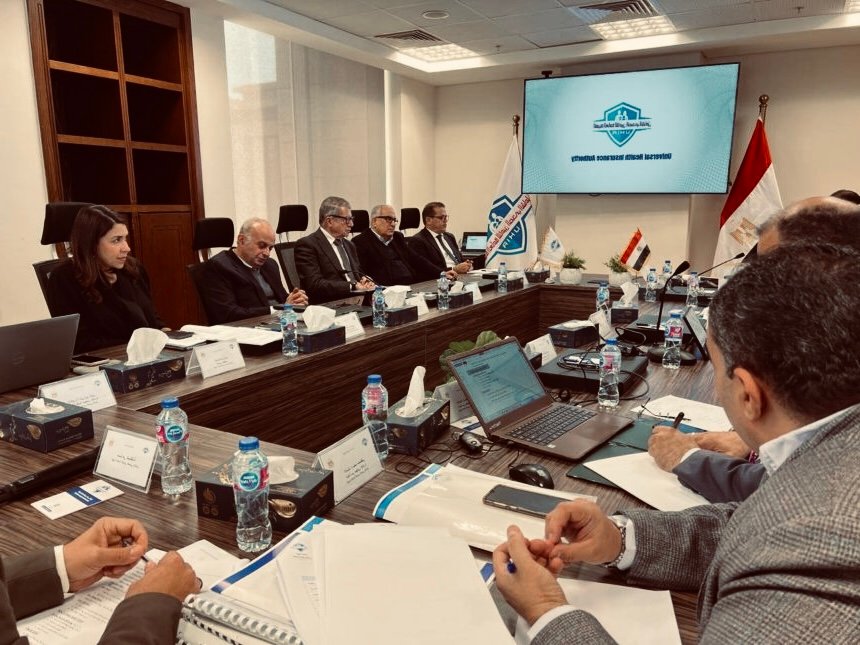
Universal Health Insurance approves landmark governance measures to accelerate coverage.

Adenia Partners acquires controlling stake in Parkville Pharmaceuticals, targeting MENA expansion.
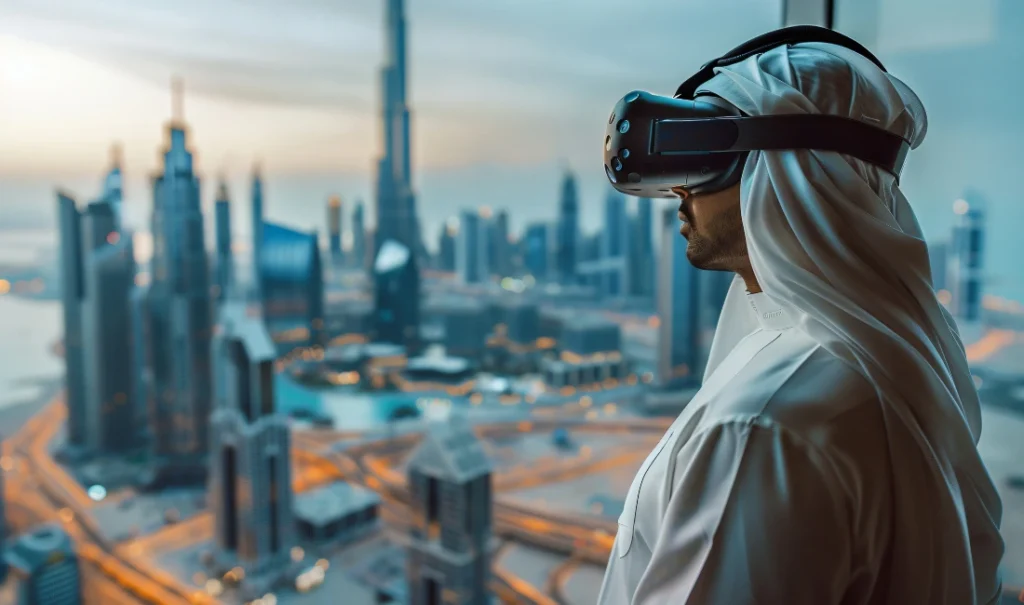
Gulf AI ventures secure massive capital injections, fueling innovation across UAE and Qatar ecosystems.
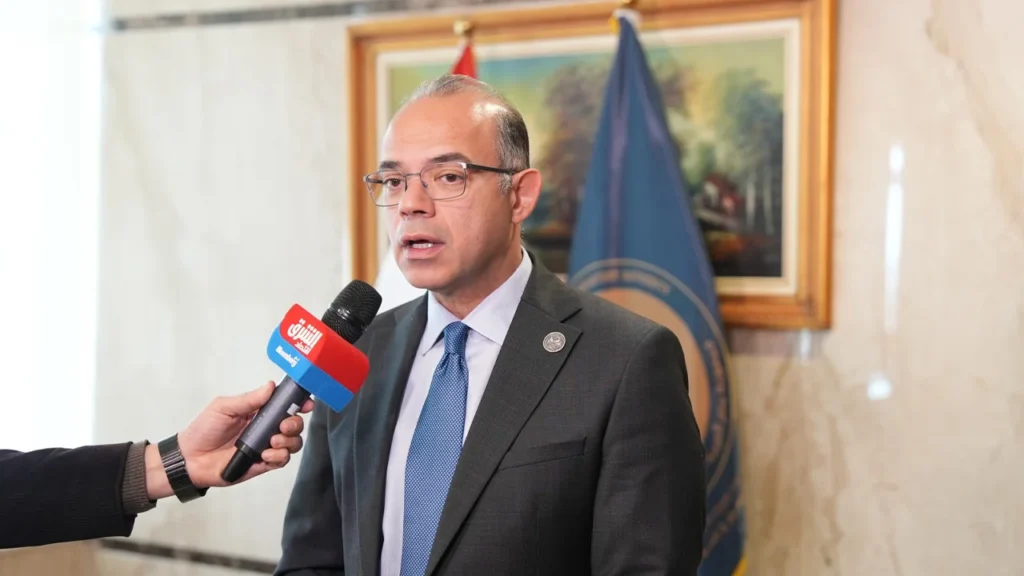
FRA grants pioneering derivatives approval, spurring EGX’s AI-driven infrastructure upgrades.
Pasifik hits half-billion lira sales, expanding SaaS platforms across Gulf and Egypt markets.
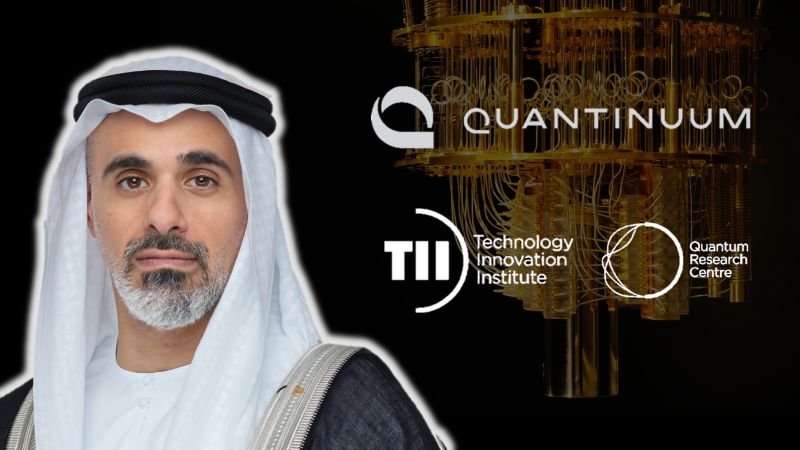
Technology Innovation Institute teams with Quantinuum for logistics algorithms on trapped-ion tech.
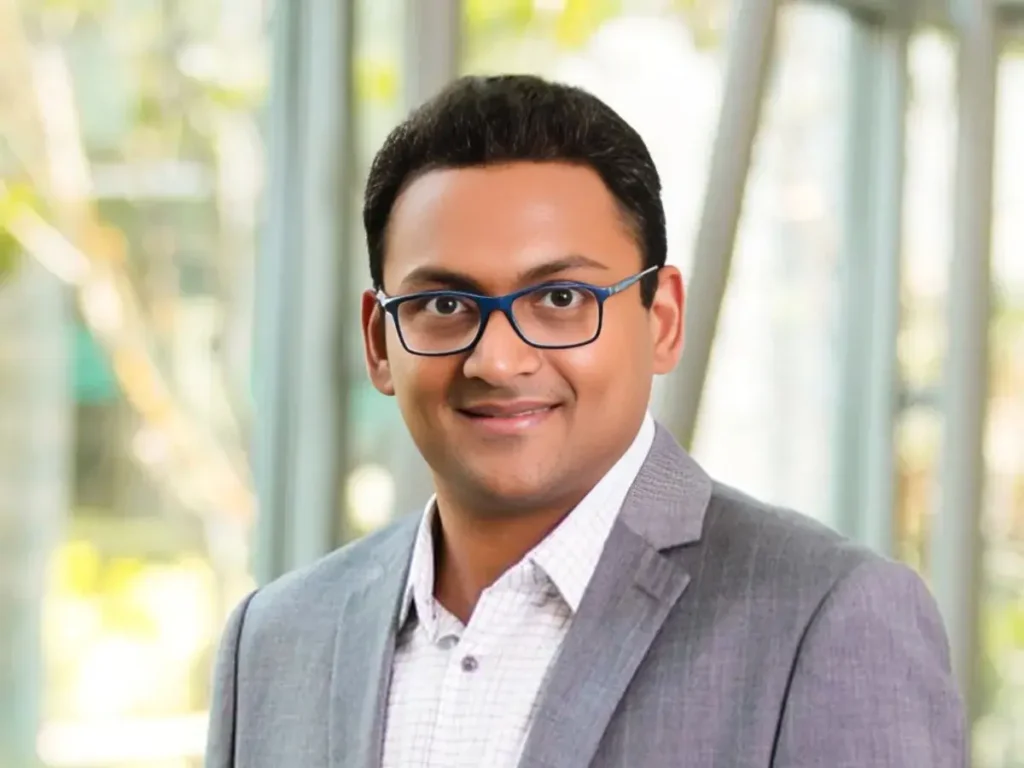
Sovereign funds back Mastiska’s push to design UAE-made chips for AI and defense.
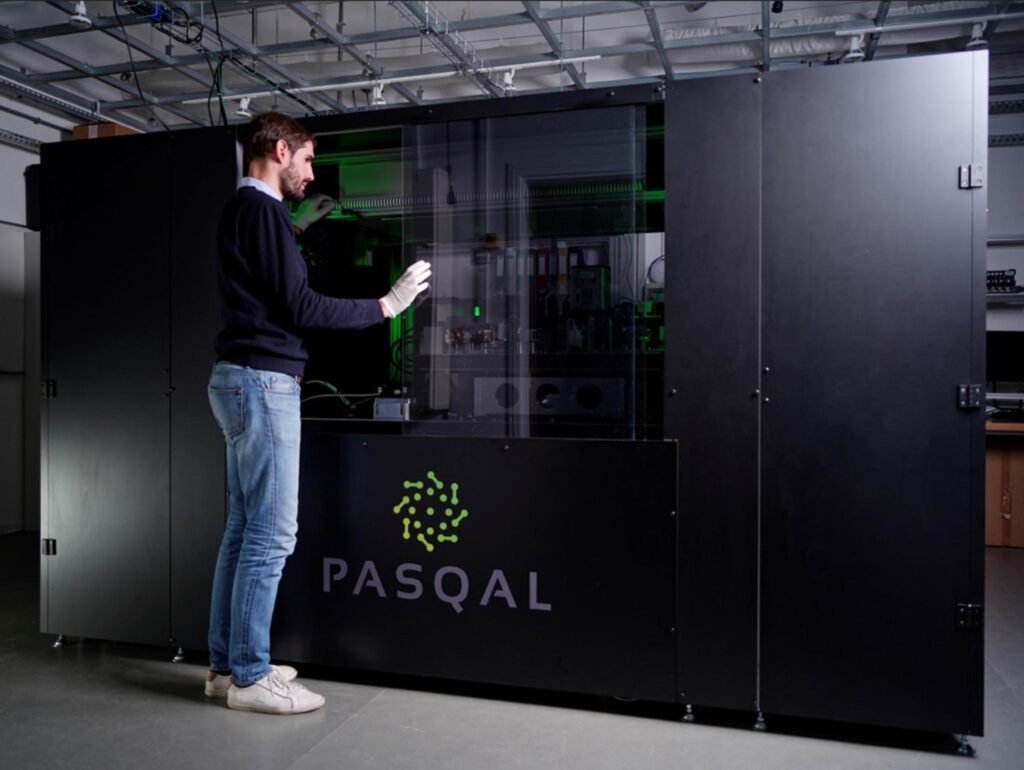
Aramco and Pasqal unveil Saudi Arabia’s pioneering 200-qubit quantum system for energy breakthroughs.
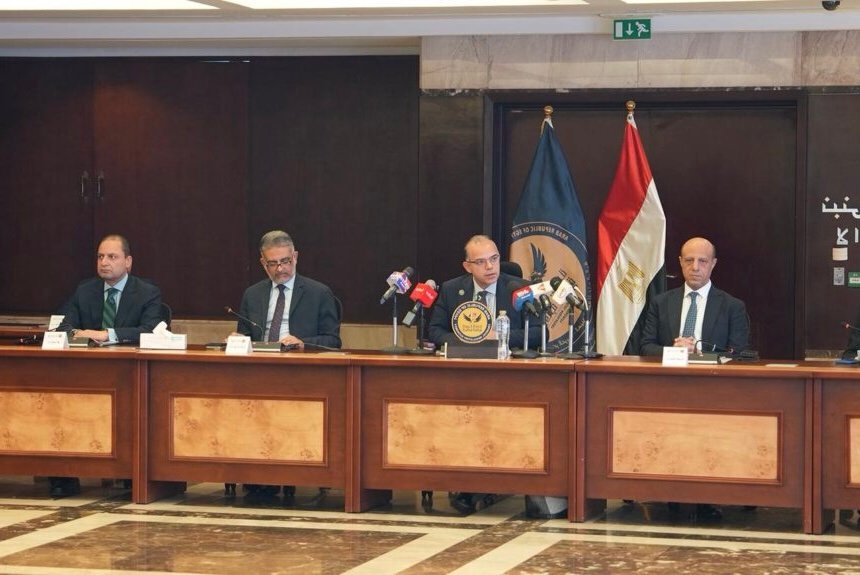
FRA’s overhaul adds nearly 300,000 accounts, overwhelming apps amid EGX record highs.
PwC resumes pitches to Saudi PIF following one-year suspension, targeting advisory and brokerage mandates.
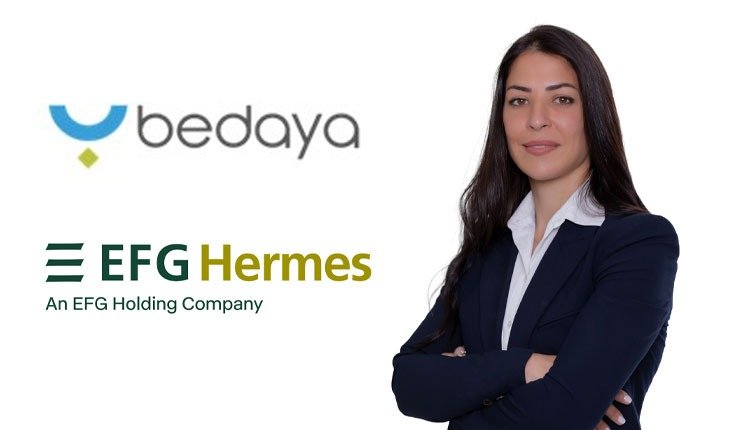
EFG Hermes advises Bedaya on record mortgage-backed securities issuance amid housing boom.
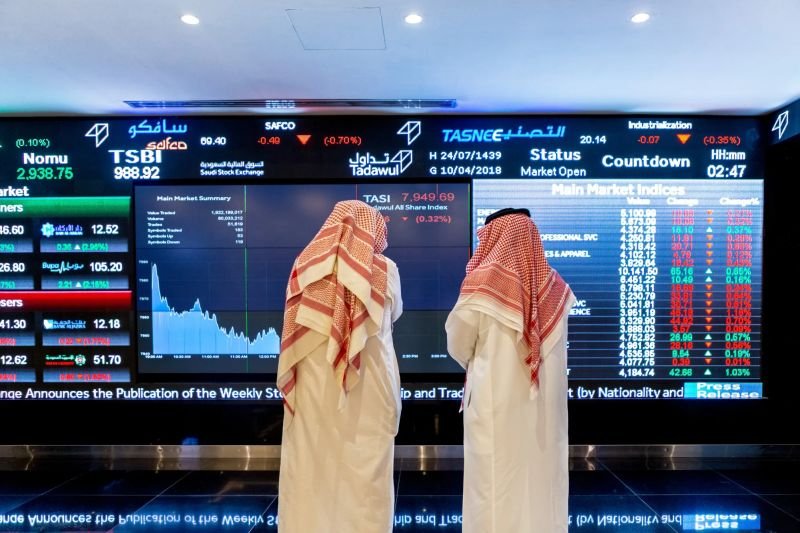
Saudi Arabia opens Tadawul to all foreigners from February 1st , unlocking direct equity trades via local brokers.

Banking net foreign assets reach $24 billion, paving IMF deal path.
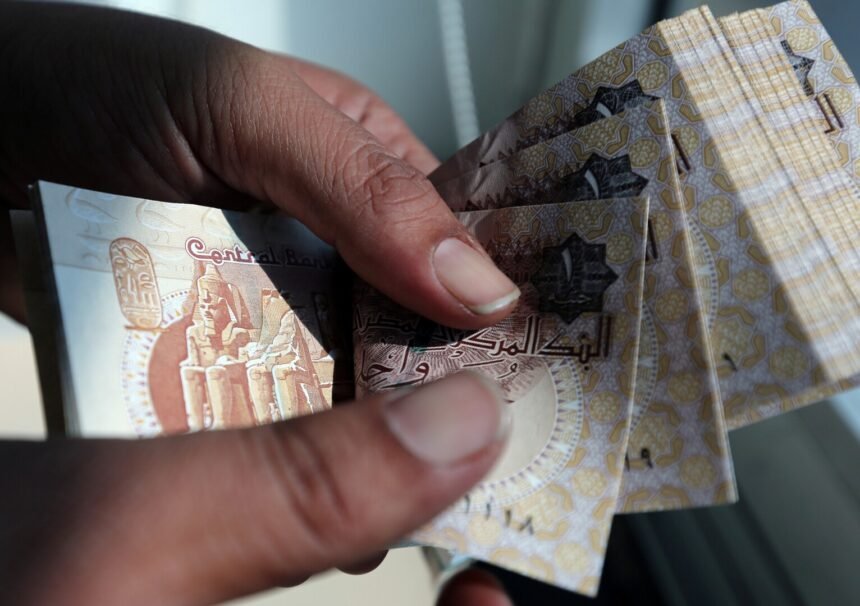
Egypt banks see local liquidity climb to EGP 13.85 trillion in November 2025.
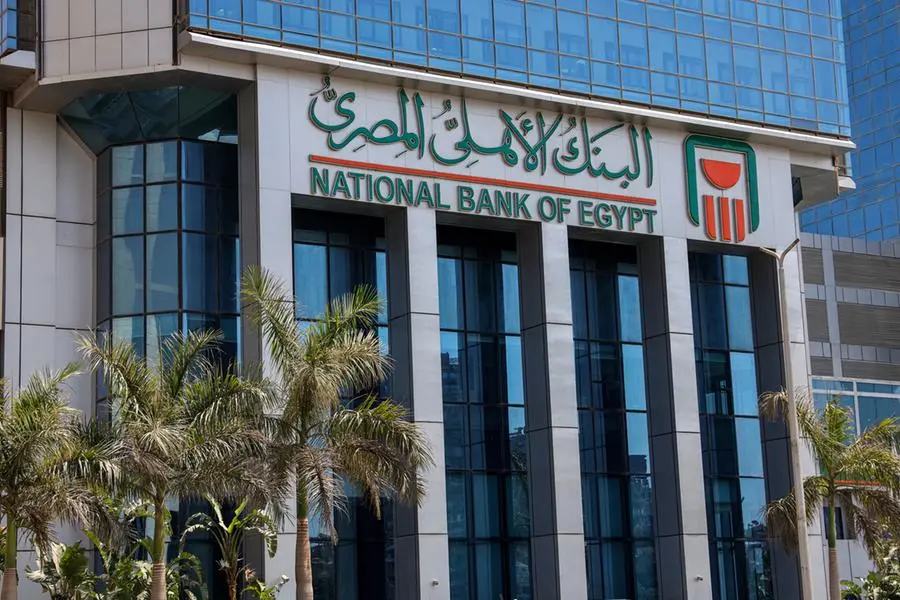
National Bank of Egypt extends EGP 3 billion short-term financing to Valu fintech.
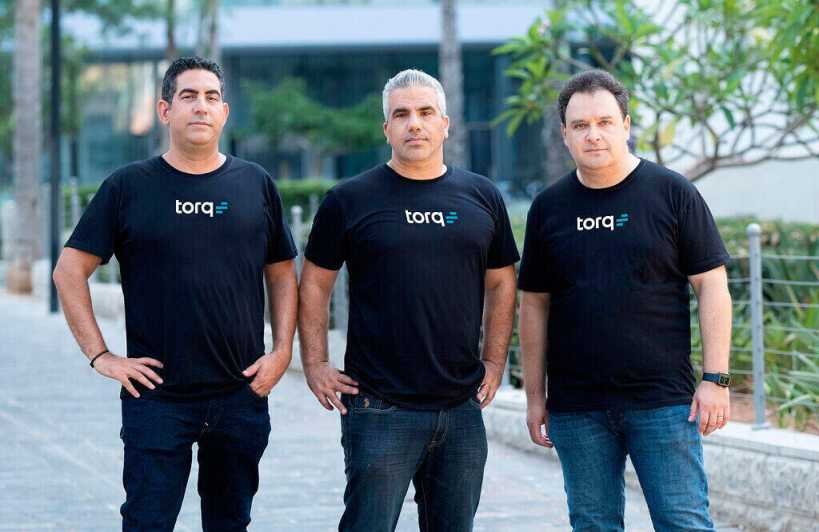
Torq scoops $140 million in Series C funding, valuing the no-code cybersecurity platform at $1.2 billion unicorn status.
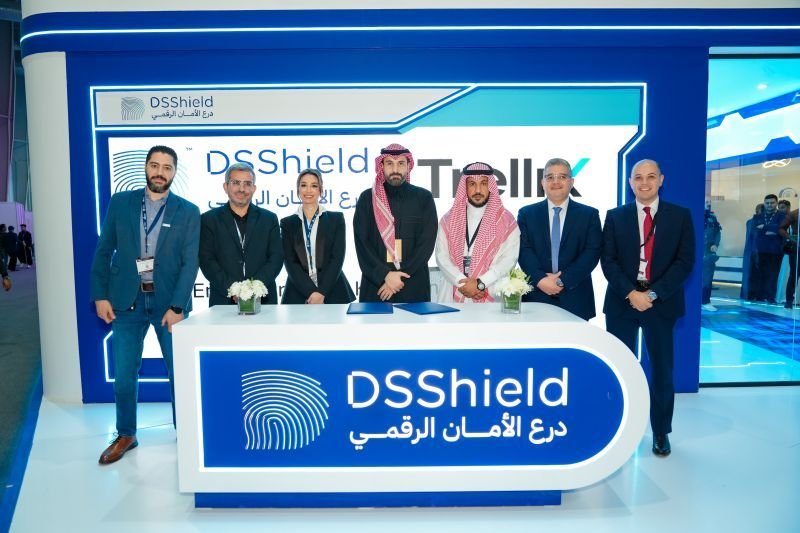
Merak Capital pumps SAR 203 million into DSShield to build national cybersecurity platform amid Kingdom’s digital boom.
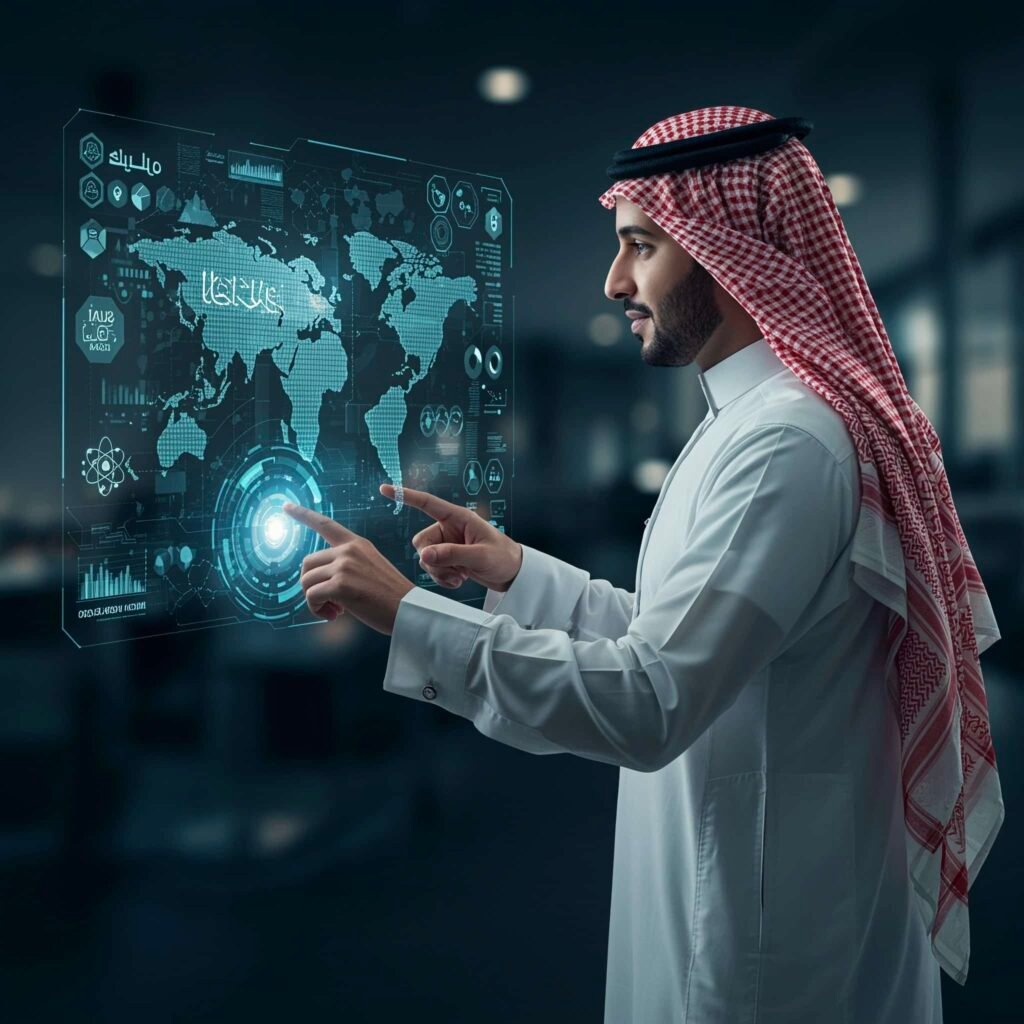
Saudi consultancies integrate generative AI for strategy and operations, doubling productivity as Kingdom accelerates diversification.
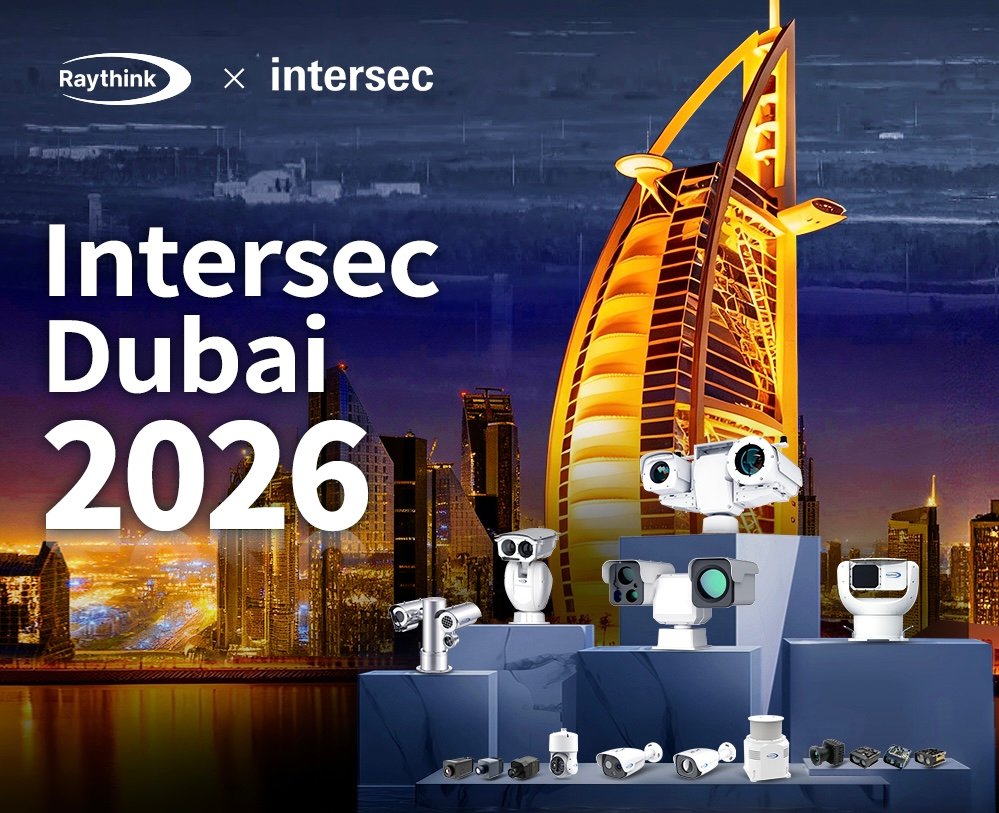
Raythink debuts edge AI cameras and predictive analytics at Intersec, targeting smart city threats with real-time response.
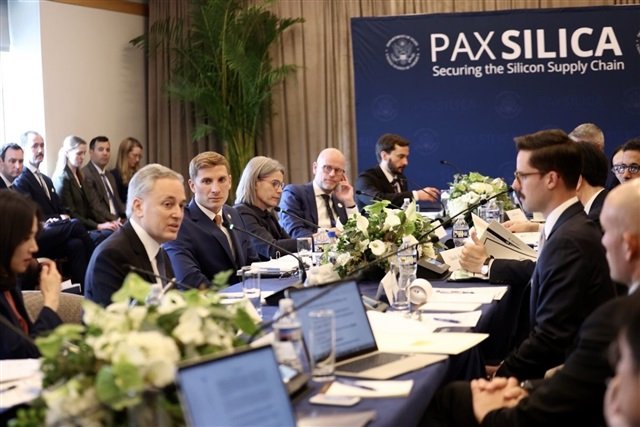
Qatar and UAE commit to Pax Silica alliance, strengthening AI chips, semiconductors, and critical minerals supply chains with US partners.
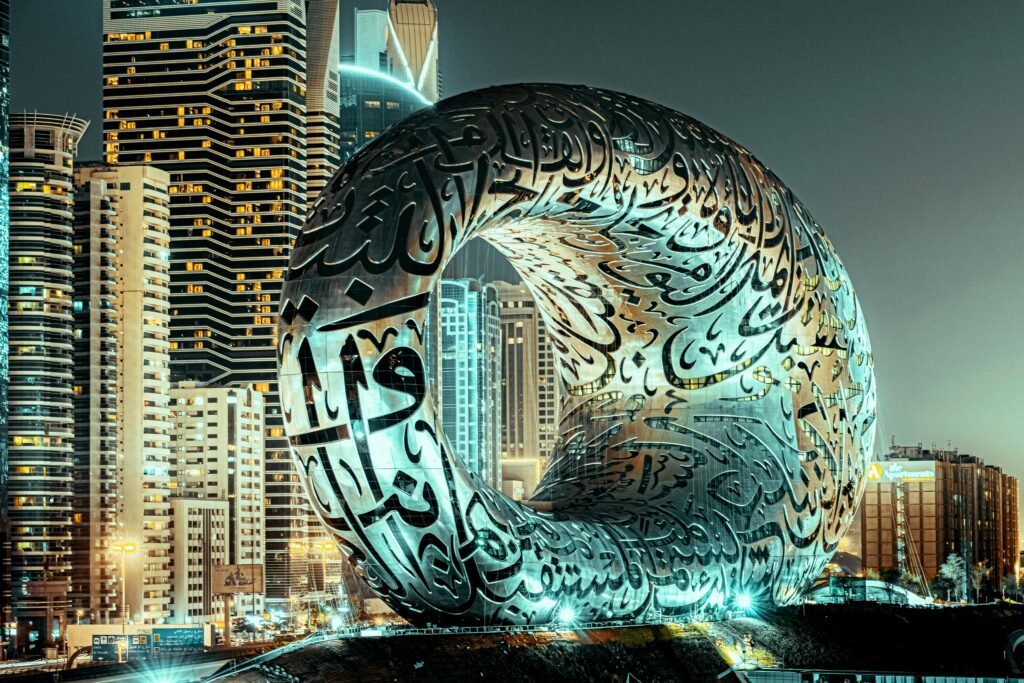
Dubai’s property market hits Dh680 billion in 2025 deals, setting stage for tokenisation wave in 2026 luxury sales.
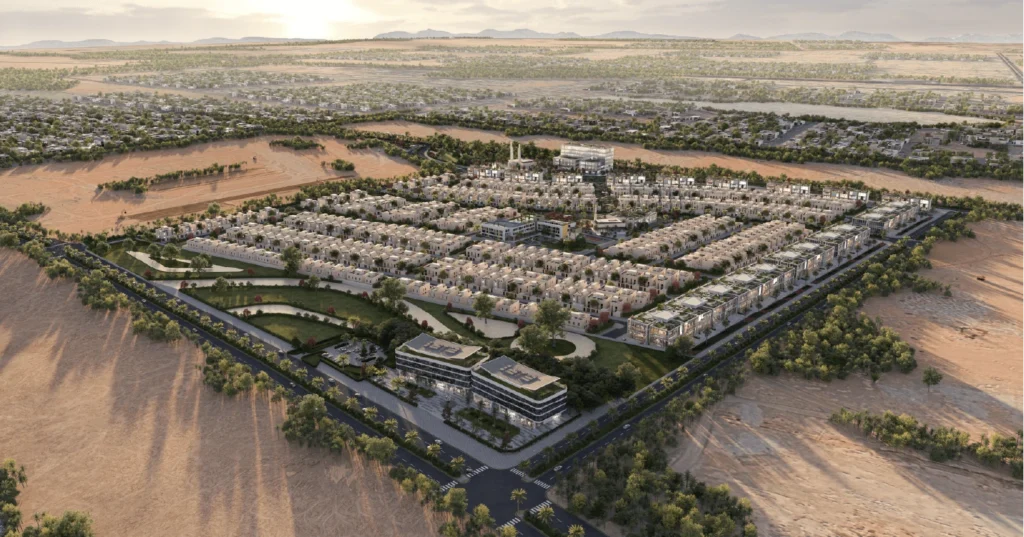
New “Saudi Properties” digital platform streamlines real estate transactions as foreign ownership laws open doors for investors.
Dar Global partners with Trump Organization on Trump Plaza Jeddah and Wadi Safar projects worth $10 billion to redefine luxury living.

First Abu Dhabi Bank teams up with T. Rowe Price to offer customized investment solutions for GCC wealth clients.

Emirates NBD secures $700 million seven-year term loan from Asian lenders to support expansion and diversify funding sources.
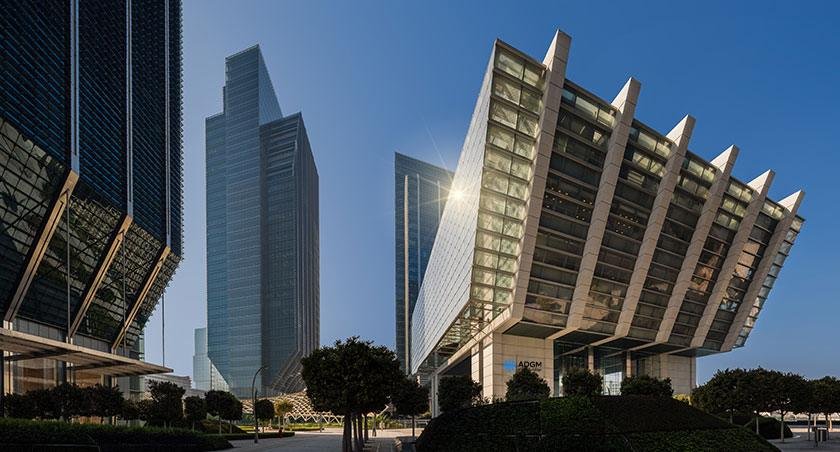
Bank of Palestine gains in-principle approval for full banking license in Abu Dhabi, targeting global Palestinian diaspora with deposit and investment services.

Middle East hotels face unprecedented demand for New Year 2026 celebrations, with top Dubai properties commanding $9,000 per night and Riyadh expecting 20 million visitors
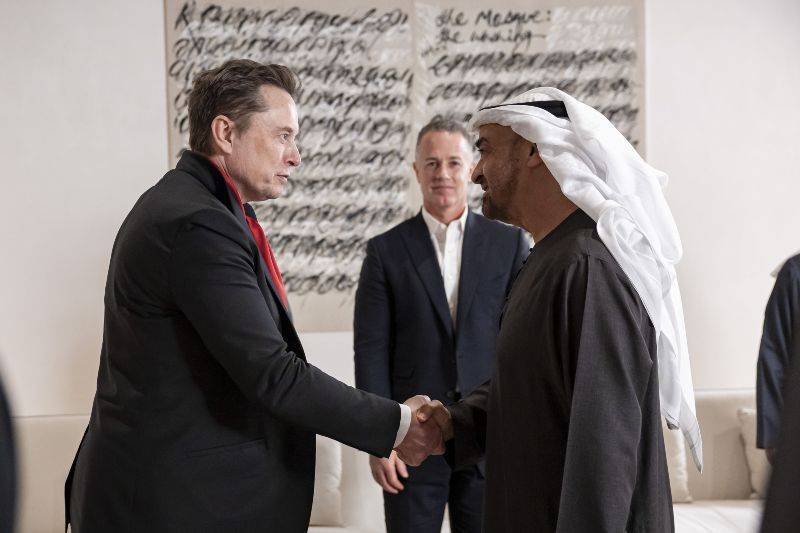
The UAE capped 2025 with landmark AI achievements, including G42’s global expansions and high-level discussions between Sheikh Mohamed bin Zayed and Elon Musk

UAE and Saudi Arabia’s fast-moving consumer goods (FMCG) markets expanded 7% and 3.3% respectively in 2025
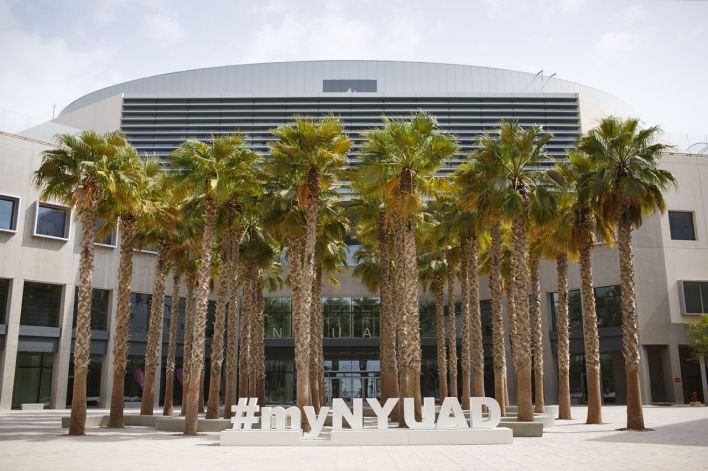
An NYU Abu Dhabi researcher received the 2025 L’Oréal–UNESCO For Women in Science Middle East Award on December 14 for pioneering work on nuclear architecture, epigenetics, and RNA therapy
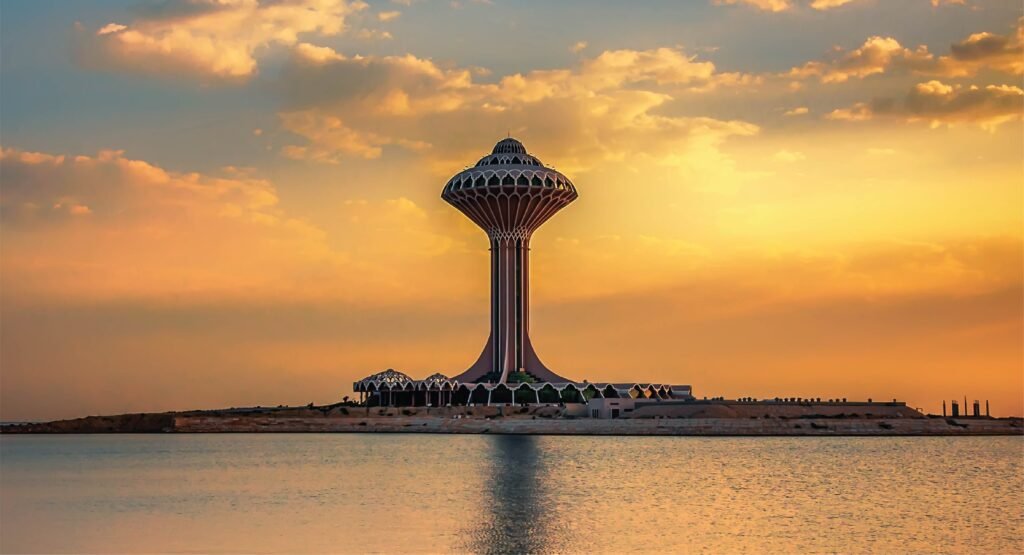
Dammam recorded 3,000 residential transactions worth SAR 3.2 billion in Q3 2025, outpacing Riyadh with 28% year-on-year growth
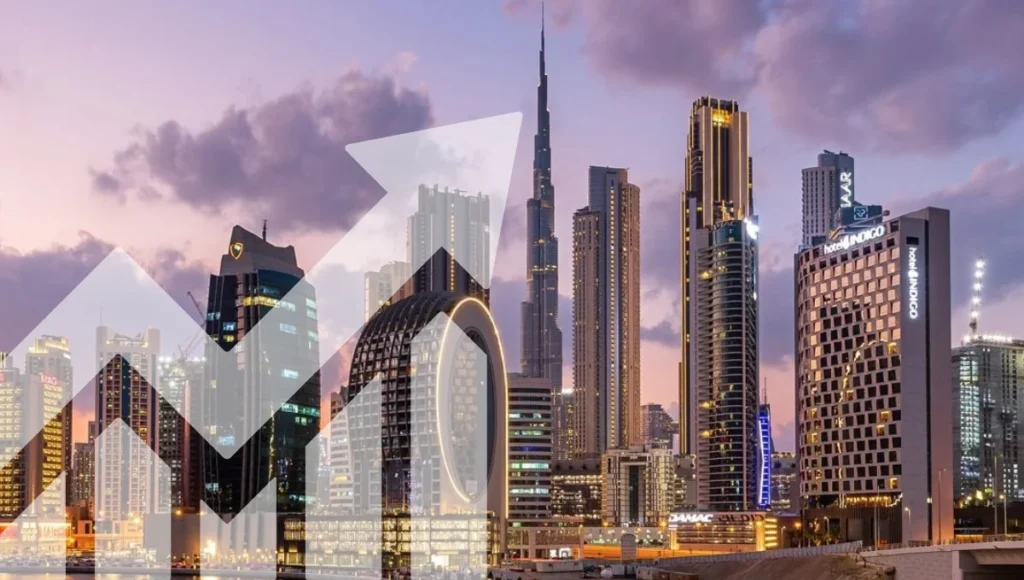
Dubai’s property market shattered records in 2025, clocking AED 624 billion in total sales through November
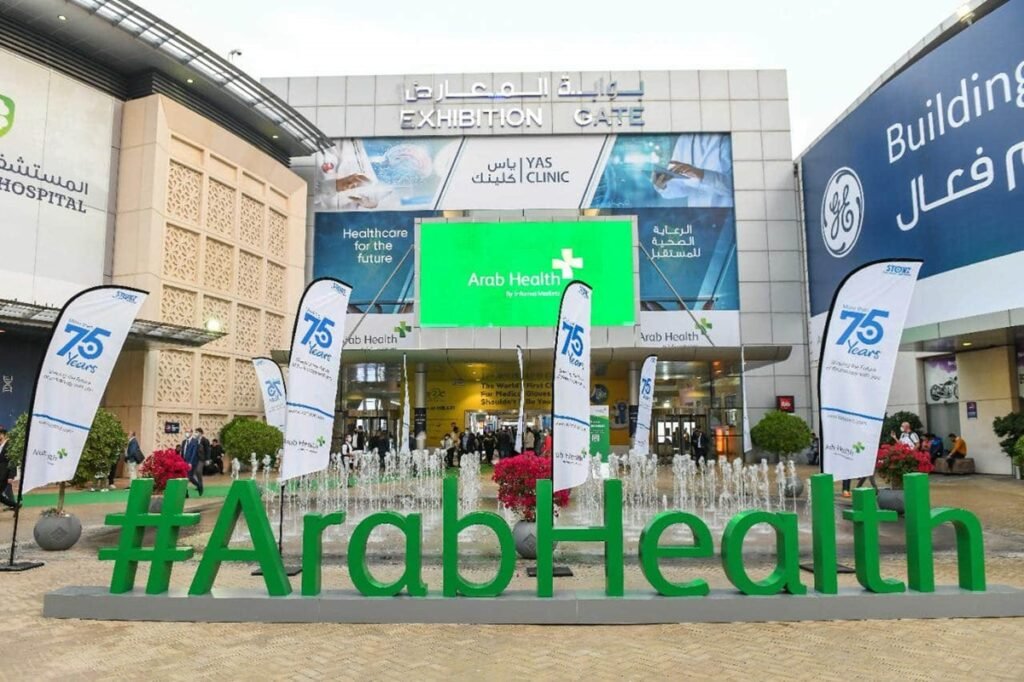
Emirates Health Services (EHS) unveiled cutting-edge initiatives at Arab Health 2025 in Dubai, highlighting breakthroughs in chronic disease management. Key projects include FDA-approved Artificial Heart and Pancreatic Cell Transplantation procedures, aiming to improve outcomes for patients with heart failure and diabetes. EHS’s Acting Executive Director emphasized the alignment of these innovations with the UAE’s National Strategy for Wellbeing 2031, focusing on optimizing community health services. These advanced therapies signify a major leap forward for the region’s medical capabilities and reinforce the UAE’s position as a healthcare innovation leader.
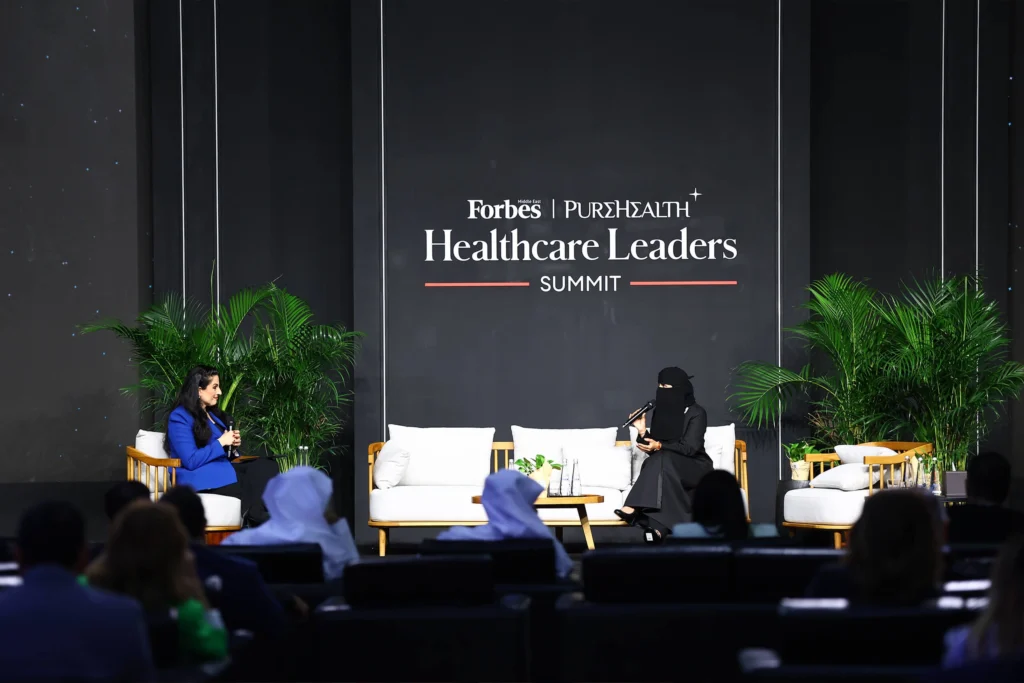
The Healthcare Leader’s Summit Middle East 2025 convened policymakers, innovators, and healthcare professionals in Dubai to discuss building resilient, people-centric health systems. The region faces challenges such as aging populations and lifestyle diseases accounting for 70% of deaths, highlighting the need for coordinated workforce development and reimbursement reforms. With projected healthcare markets surpassing $135 billion by 2027, Gulf countries are investing heavily in digital health, AI diagnostics, and hospital infrastructure. Saudi Arabia’s Vision 2030 allocates over $65 billion to healthcare transformation, and the UAE is expanding medical tourism. The summit emphasized practical solutions to improve healthcare access, affordability, and outcomes.
The inaugural Cure by Deerfield Middle East Health Accelerator announced its first cohort of 15 pioneering healthcare startups focusing on digital health, medtech, and innovative care delivery across MENA. Backed by Deerfield Management and Qatar Investment Authority, the accelerator provides mentorship, funding access, and pilot opportunities in Qatar’s thriving health ecosystem. The selected companies tackle key challenges such as telemedicine, chronic disease prevention, and integrated digital care. Each startup aims for scalability and real-world impact, addressing gaps in healthcare accessibility and quality. The initiative exemplifies Qatar’s leadership in fostering a vibrant ecosystem for healthcare innovation in the Middle East.
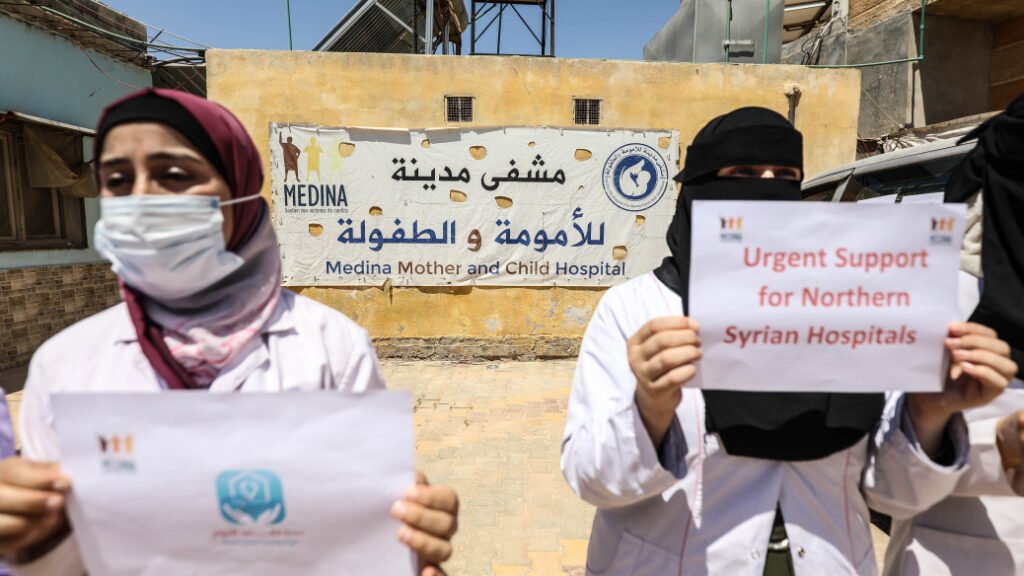
Syria’s healthcare system remains fragile nearly a year after the country’s civil war ended, as funding shortages threaten access to medical services and basic medicines. According to the World Health Organization (WHO), only 58% of hospitals and 23% of primary care centers are fully functional. Since mid-2025, over 400 health facilities have faced funding cuts, leading to reduced or suspended services affecting 7.4 million people. Critical trauma consultations and births with skilled attendants have declined sharply. The shortage of healthcare workers remains serious, with the environment still not conducive for professionals to return in large numbers. WHO urges the international community and Syrian authorities to prioritize rebuilding the health infrastructure and restoring essential services.
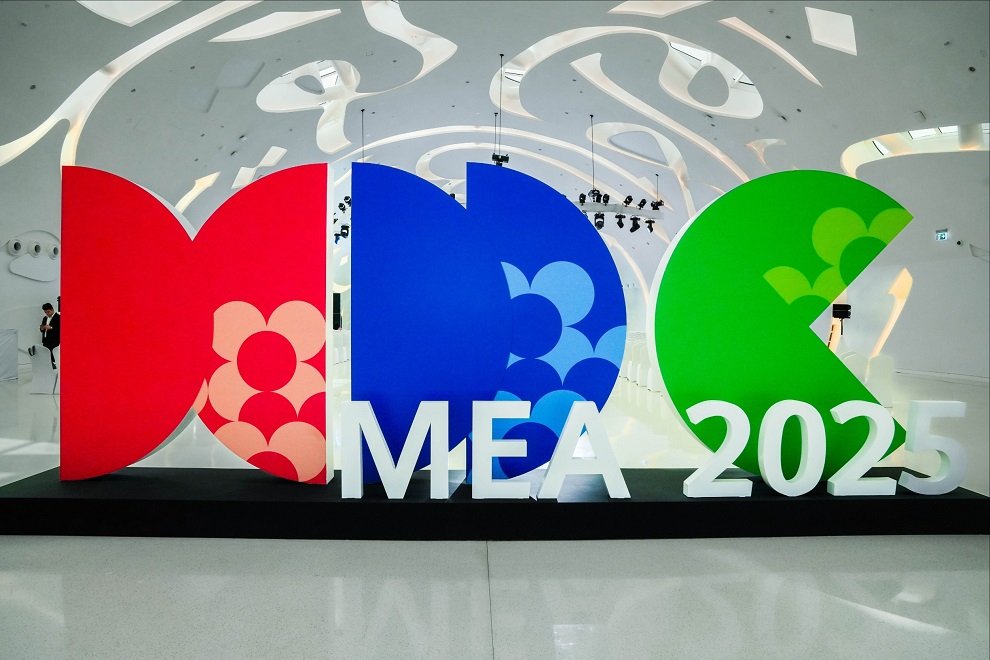
Huawei’s third annual MEA Ecosystem Summit in Dubai united global visionaries and regional leaders to explore sustainable growth through technology collaboration and innovation. The summit showcased successful partnerships between Huawei and regional entities, including tourism authorities and digital content platforms. Highlights included the launch of bespoke watch faces inspired by Dubai’s culture and the strengthening of mobile gaming ecosystems through localized support. Emphasizing cross-sector innovation, Huawei reaffirmed its mission to empower local ecosystems, connect global markets, and drive smart digital economies across the Middle East and Africa.
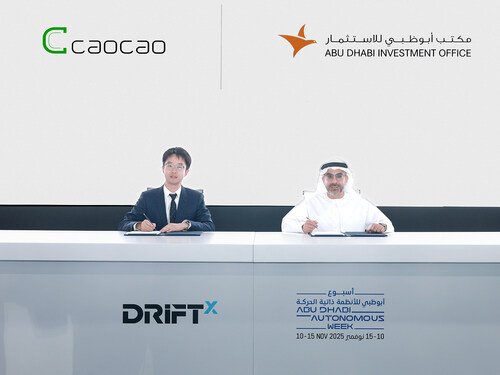
CaoCao Inc., a leading autonomous vehicle technology company, has signed a memorandum of understanding with Abu Dhabi Investment Office to launch robotaxi services and advance autonomous driving technology in the UAE. The partnership aims to deploy self-driving vehicle fleets across key urban areas, leveraging Abu Dhabi’s infrastructure and innovation ambitions. Robotaxi trials will begin in pilot zones before scaling regionally. This cooperation fosters technology transfer, investment inflows, and workforce upskilling in smart mobility. It aligns with broader UAE goals of sustainable transport and cutting-edge technology adoption enhancing urban resilience and quality of life .
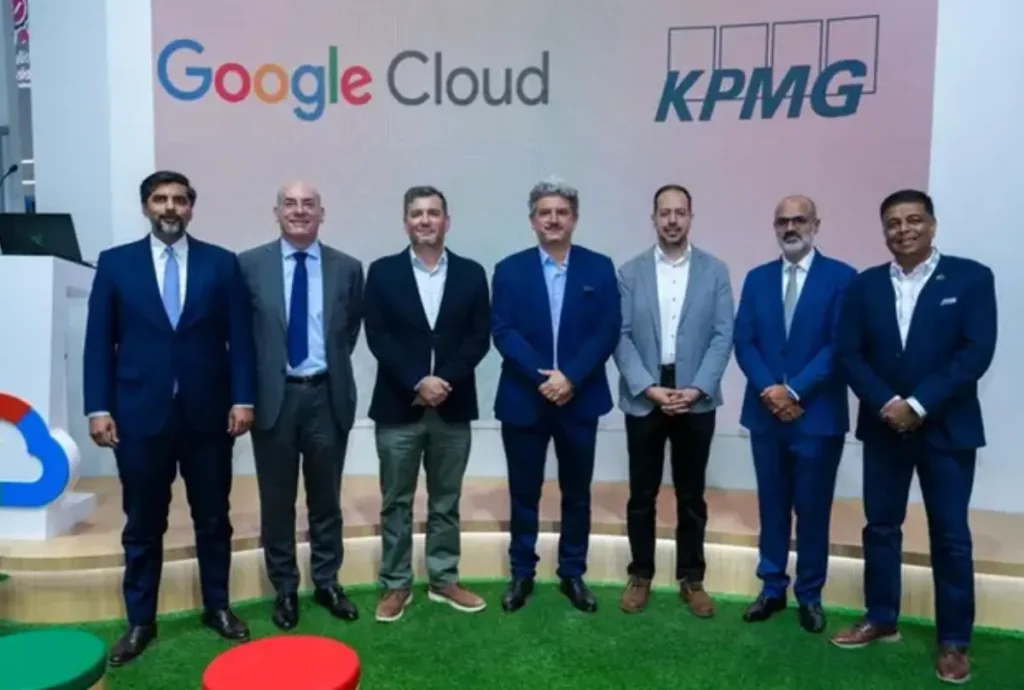
KPMG Middle East has reinforced its strategic alliance with Google Cloud to accelerate digital transformation initiatives across regional industries. By combining KPMG’s consulting excellence with Google Cloud’s advanced technologies, the partnership delivers end-to-end cloud solutions that enhance operational efficiency, drive innovation, and support resilience. Key focus areas include AI-powered analytics, cybersecurity, and scalable cloud migration tailored for sectors such as financial services, healthcare, and manufacturing. This collaboration highlights the region’s accelerating shift towards technology-driven business models and its commitment to fostering a competitive digital economy .
As the Middle East undergoes rapid digital transformation, HP is playing a pivotal role by nurturing young talent through initiatives focused on artificial intelligence and digital skills development. HP’s AI R&D Centre of Excellence in Dhahran, Saudi Arabia, is a flagship initiative providing students and early-career talent access to AI research and mentorship programs that align with job market needs. Partnering with leading universities such as RIT and Saudi Electronic University, HP integrates industry exposure into higher education. Programs like the HP Aiden AI Debate and cybersecurity tracks promote communication, ethics, and security literacy alongside technical depth. These initiatives bolster Saudi Vision 2030 and complement the UAE’s Digital Economy Strategy and Gaming 2033 ambitions. HP aims not only to train learners but to empower them to shape the future of technology throughout the region.
Indian public sector real estate company NBCC has inked a Dh3 billion memorandum of understanding with Dubai-based Pantheon Elysee Real Estate, marking a significant strategic partnership. This collaboration aims to jointly develop high-profile residential, hospitality, and mixed-use projects across the UAE. NBCC brings substantial construction management and engineering capabilities, while Pantheon Elysee offers deep market insights and regulatory navigation expertise. The alliance is expected to leverage NBCC’s technological strengths and Pantheon’s local experience to deliver timely, quality developments serving rising demand for affordable and luxury housing. Investors and market analysts anticipate this partnership will stimulate further cross-border real estate collaborations between South Asia and the Gulf Cooperation Council countries.
Dubai’s property market is increasingly accessible to India’s middle class, driven by favorable financing options, tax benefits, and a simplified residency process linked to property ownership. The city’s real estate ecosystem now caters to middle-tier investors seeking gross rental yields between 7-9%, especially in suburban and upcoming localities. Flexible installment plans and competitive mortgage rates facilitate entry for salaried professionals. Additionally, non-taxation policies on rental income and gains enhance Dubai’s attractiveness compared to domestic alternatives in India. Real estate experts highlight the role of recent urban upgrades and global connectivity as major draws for Indian migrants and NRIs, who view property not only as an investment but also as a secure home base in a cosmopolitan environment.
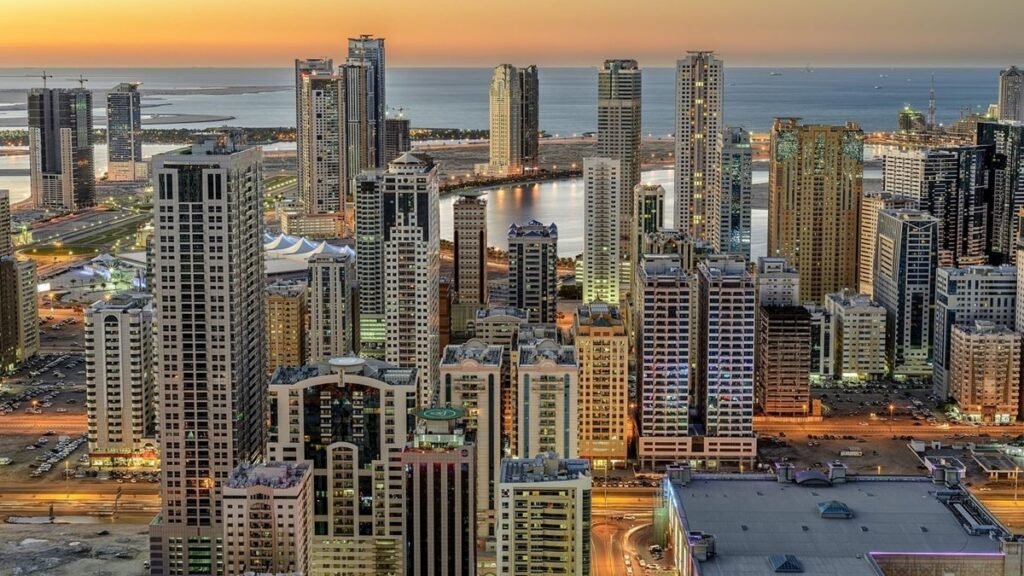
Sharjah’s real estate sector hit a landmark $12.1 billion in transactional value in 2025, boosted by a 58% surge in volume driven by villa and townhouse sales. Developers have responded to rising market demand by launching over 12,000 freehold residential units, addressing affordability and community lifestyle preferences. Innovative financing options such as extended payment plans have widened access for first-time buyers and investors alike. Sharjah’s transformation from a commuter town to an integrated lifestyle market is evident through its master-planned communities prioritizing sustainability and public amenities such as parks, schools, and retail hubs. The emirate’s strategic positioning as a cost-effective alternative to Dubai and Abu Dhabi enhances its appeal to families and young professionals.
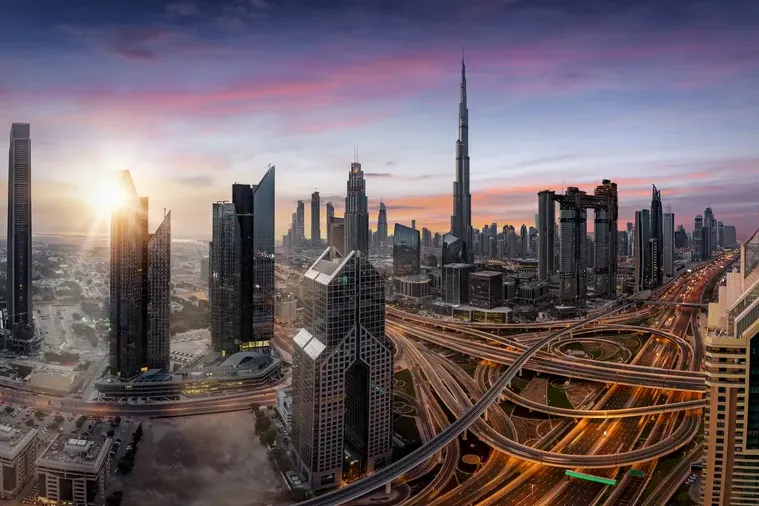
Dubai’s real estate market continues to heat up, surpassing New York to claim the top spot for luxury property investment among global elites. The city’s blend of high returns, tax incentives, and top-tier lifestyle appeal has made it a haven for international investors, particularly expatriates. With Dubai enhancing its infrastructure and rolling out new freehold property laws, demand from both regional and global buyers has surged in 2025. The recent UK budget announcement, which includes incentives for expatriates to invest abroad, is expected to further funnel UK capital into Dubai. Low interest rates combined with residence-linked visa programs attract middle-income professionals and high-net-worth individuals, creating a multi-tiered buyer base that supports a wide spectrum of property offerings from affordable apartments to ultra-luxury villas. Forecasts suggest continued growth driven by Expo 2030 preparations, new economic zones, and sustained government focus on public-private partnerships.

Crypto treasury firms in the Middle East are shifting investments toward less mainstream tokens, prompting concerns about amplified market volatility. Following saturation in major cryptocurrencies like Bitcoin and Ethereum, companies have moved capital into fringe or emerging tokens, some with integrated AI or novel blockchain features. This strategic pivot has led to volatile price movements, sparking caution among regulators and investors. While some view this as innovation-driven diversification, others warn of speculative risks, especially as retail investors face exposure to heightened market swings. Industry analysts anticipate increased regulatory oversight aimed at stabilizing these emerging crypto market segments.

The UAE is leading the MENA region as a crypto-finance hub, supported by robust regulatory frameworks and attracting high-quality blockchain and crypto businesses. Dubai’s Virtual Assets Regulatory Authority (VARA) and Abu Dhabi’s comprehensive financial services regulations have set high international standards for governance, transparency, and compliance. These frameworks appeal to crypto-native companies seeking legitimacy and institutional partnerships. MENA’s crypto market benefits from UAE’s sophisticated ecosystem, investor interest, and strategic positioning as a bridge between East and West. Industry leaders at SuperReturn Middle East 2025 highlighted the UAE’s role in fostering sustainable growth in crypto finance, setting examples for neighboring states to follow.

Forex markets in the Middle East have shown volatility amid global economic uncertainties and signs of an impending end to the US government shutdown. The US dollar remains firm against major currencies as weak economic data release raises global growth fears, while progress on reopening the US federal government softens the dollar’s safe-haven appeal. Regional forex traders are adjusting positions with attention focused on US Federal Reserve monetary policy status and fluctuating crude oil prices influencing currency movements. The Saudi riyal, UAE dirham, and Qatari riyal currencies remain pegged but experience indirect impact from global forex volatility, influencing hedging activities and cross-border trade finance.
The Financial Action Task Force (FATF) has announced that it will conduct an onsite visit to Turkey to evaluate the country’s progress in combating money laundering and terrorist financing. This visit follows Turkey’s recent exit from the FATF’s “grey list,” signifying improvements in regulatory frameworks and enforcement mechanisms. The evaluation aims to assess Turkey’s adherence to international standards, a critical factor in maintaining the integrity of the country’s banking system and attracting foreign investment. Turkish authorities are engaging actively with FATF experts to demonstrate compliance and strengthen oversight over financial transactions. The outcome will influence Turkey’s global financial standing and the operational freedom of its banks in correspondent banking relationships.
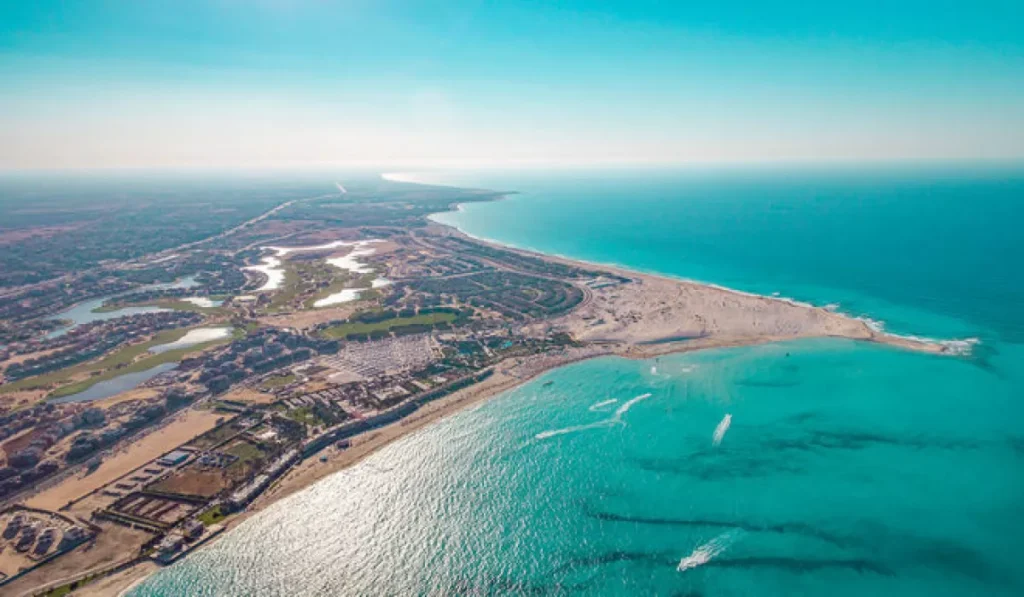
Qatar Diar, a subsidiary of Qatar’s sovereign wealth fund, has pledged $3.5 billion in investment for a pioneering tourism and real estate development along Egypt’s North Coast, reflecting the Gulf region’s growing influence in cross-border financial flows. The project aims to create a world-class resort destination with luxury hotels, residential communities, and leisure facilities, opening new avenues for economic and tourism collaboration between Egypt and Gulf countries. Qatar Diar’s sizable commitment demonstrates confidence in the Egyptian market’s growth potential and the Middle East banking sector’s increasing role in supporting large-scale infrastructure and development projects. Experts note that such investments reinforce regional financial integration and diversify portfolio allocations amid global market uncertainties.
The UAE government has announced an ambitious $46.3 billion investment plan aimed at modernizing its national transport infrastructure over the next five years, positioning the country as a leader in connectivity and smart logistics. This large-scale plan encompasses new road networks, metro expansions, smart mobility solutions, and port enhancements to support the country’s trade and urban growth. The anticipated infrastructural improvements are expected to generate significant business for the UAE’s banking and financial institutions by facilitating financing for transport projects, stimulating corporate lending, and enhancing investor confidence. The strategy aligns with the country’s Vision 2030 goals of economic diversification and sustainability, further underpinning the financial sector’s role as a growth enabler in the region.
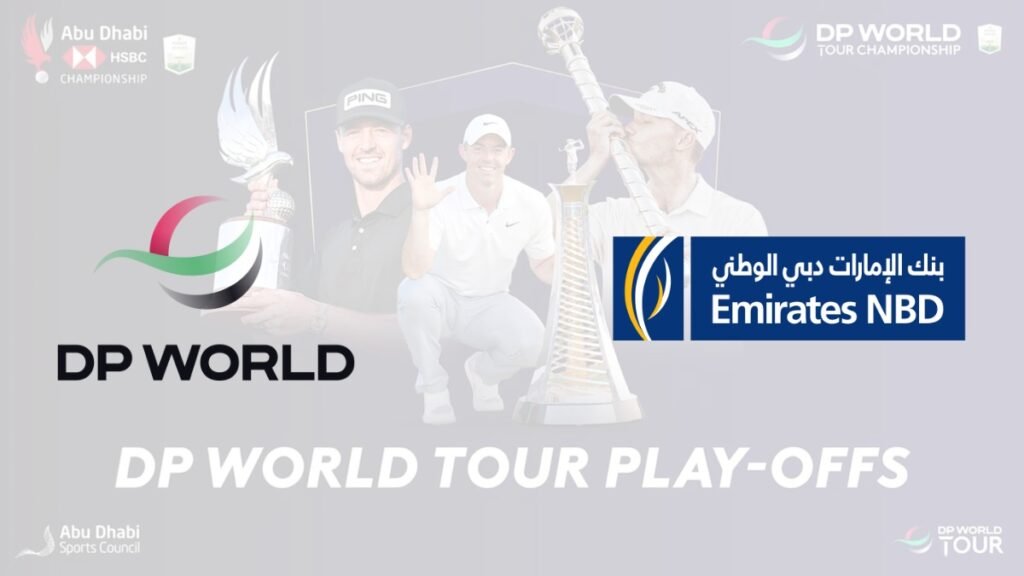
Emirates NBD has strengthened its association with professional golf by becoming the Official Banking Partner of two prestigious DP World Tour tournaments hosted in the United Arab Emirates. The bank’s sponsorship of these tournaments is part of its broader strategy to boost brand engagement and support regional economic development through sport. Emirates NBD leverages these partnerships to enhance its corporate banking and wealth management services, tapping into a global audience and high-net-worth clientele. The move reflects the UAE’s ambition to position itself as a global sports and financial hub, fostering increased collaboration between the banking sector and event management industries. Analysts expect such partnerships to enhance Emirates NBD’s market stature and contribute positively to the country’s tourism and hospitality sectors.