
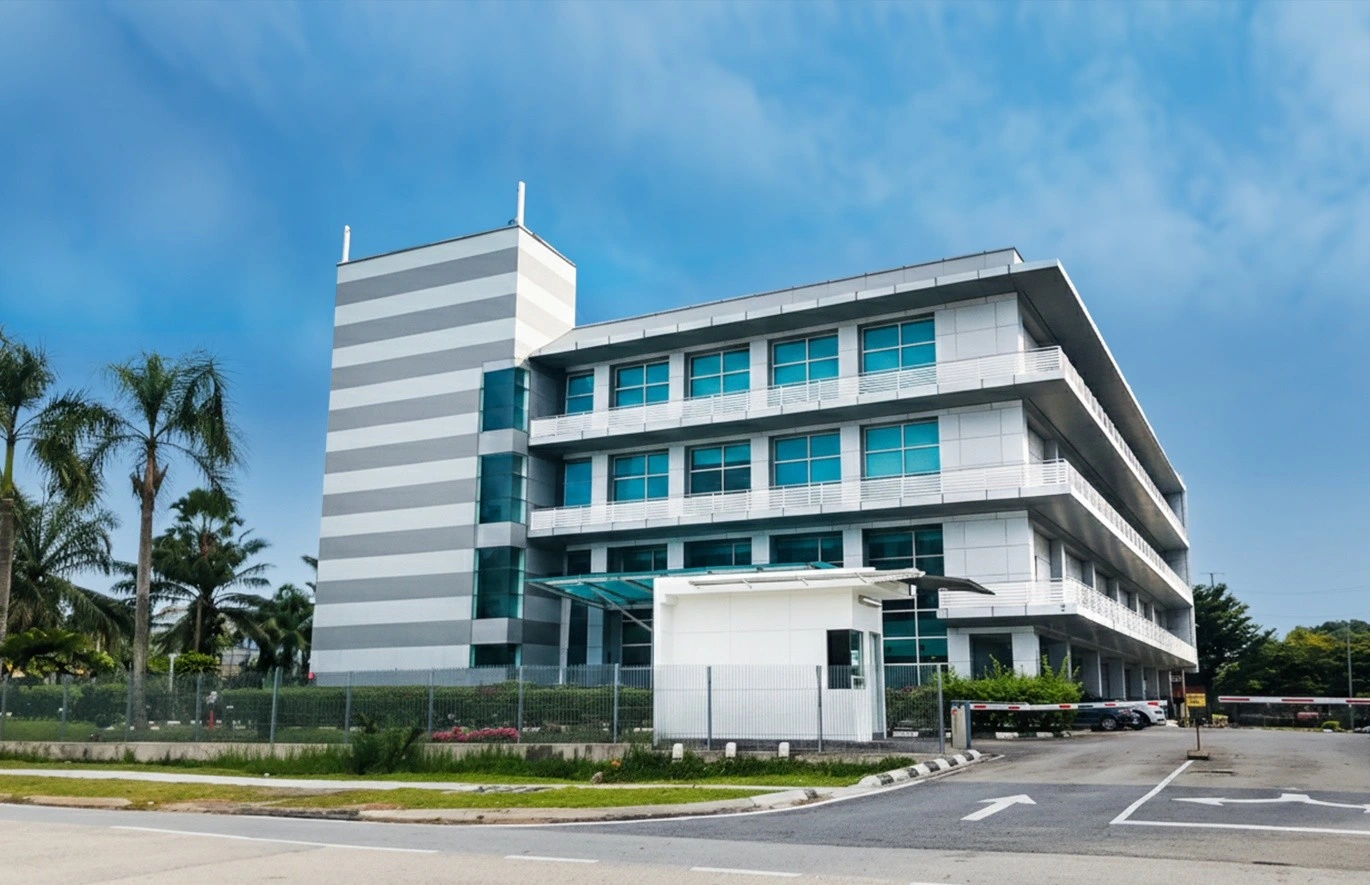
Digital Realty, the world’s largest provider of cloud-neutral data centers, has agreed to acquire the TelcoHub 1 facility in Cyberjaya, marking its entry into Malaysia’s fast-expanding digital infrastructure market. The deal includes adjacent land for up to 14 megawatts of future IT capacity, with closure expected in the first half of 2026. This move extends the company’s Southeast Asia platform amid surging demand for AI-ready compute and connectivity.
Cyberjaya, part of Greater Kuala Lumpur’s established data hub, hosts one of Malaysia’s largest dark fiber interconnect points with over 6,000 fiber cores and 40-plus network providers. The 1.5MW site will integrate into Digital Realty’s PlatformDIGITAL, offering customers consistent security and interconnection across regions. Plans call for rolling out ServiceFabric, the firm’s orchestration tool, to simplify global hybrid setups for enterprises scaling AI workloads.
Malaysia’s data center capacity is forecast to nearly double from 1.26 gigawatts in 2025 to 2.53 gigawatts by 2030, driven by cloud migration, AI adoption and pro-business policies. The country has emerged as a magnet for hyperscalers and enterprises seeking sovereign, low-latency options in ASEAN. Digital Realty’s arrival reinforces Cyberjaya’s role as a connectivity powerhouse linking Malaysia to Singapore and beyond.
The acquisition builds on Digital Realty’s existing outposts in Singapore and Jakarta, creating a more robust regional mesh for multinationals. CSF Advisers, the seller, brings deep local expertise in fiber networks, which will help accelerate customer onboarding and expansion. CSF CEO Lee noted the synergies with Digital Realty’s scale to enhance Malaysia’s ecosystem through better interconnects and talent pipelines.
For Southeast Asia’s tech ambitions, the deal underscores a maturing investment case. Governments from Jakarta to Hanoi are courting data operators with tax breaks and power guarantees to fuel digital economies. Yet land scarcity and grid constraints pose hurdles, making strategic buys like TelcoHub 1 more attractive than greenfield builds.
Digital Realty positions the campus as future-proof for AI and edge computing, where low-latency links matter most. Clients gain flexibility to deploy across ASEAN without silos, critical as firms consolidate providers amid cost pressures. The land bank signals confidence in sustained hyperscale demand from Big Tech and local players alike. Risks linger, from energy shortages to geopolitical shifts, but Malaysia’s neutral stance and fiber density give it an edge. As Digital Realty integrates the asset, it could spark a wave of similar consolidations, consolidating power in fewer, larger operators. For businesses eyeing Southeast Asia, the message is clear: reliable infrastructure is no longer a nice-to-have but table stakes in the AI era.