
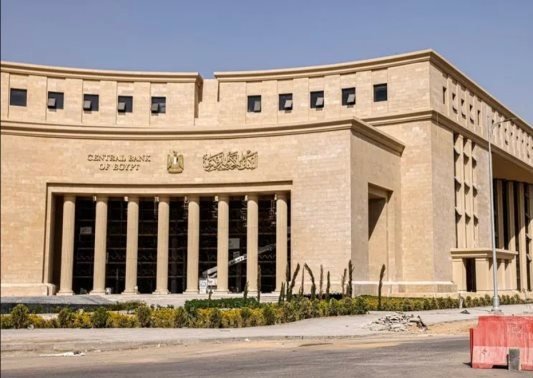
Egypt’s banking sector ended January with net foreign assets of $29.5 billion, a record high that signals growing confidence in the country’s economic stabilisation efforts. The Central Bank of Egypt reported this surge came on the back of sustained dollar inflows from remittances, exports and foreign direct investment. Banks also benefited from tighter liquidity management that curbed speculative outflows. This marks a sharp turnaround from chronic dollar shortages that plagued the sector for years. Policymakers hailed the figure as proof that flexible exchange rates and orthodox monetary policy are finally taking hold.
The improvement stems from several coordinated measures. The EGP has traded in a narrow band since the latest float, reducing parallel market premiums to near zero. Remittances from Gulf workers hit $3.2 billion in January alone, up 15 per cent year-on-year as oil economies rebounded. Export revenues climbed on stronger Suez Canal fees and non-oil shipments. Foreign portfolio inflows returned modestly, drawn by high real yields on treasury bills above 25 per cent. Banks played their part by rationalising foreign currency exposures and boosting export credit lines.
This balance sheet strength has real-world implications. Lenders now face less pressure to ration dollars for importers, easing supply chain bottlenecks. Corporate clients report shorter wait times for LCs and faster trade finance approvals. Consumer confidence ticked up as dollar stability filtered through to stable prices for imported goods. The CBE’s net international reserves also climbed to $52.6 billion, providing six months of import cover. Rating agencies took note, with some upgrading Egypt’s outlook from negative to stable.
Challenges persist, however. Geopolitical tensions in the Red Sea continue to dent Suez revenues, which fell 40 per cent last month. Inflation lingers above 25 per cent, squeezing real incomes and loan demand. Banks must navigate IMF-mandated fiscal consolidation that could crimp government spending and related lending. Non-performing loans ticked up to 4.2 per cent amid SME stress. Yet capital adequacy remains solid at 17.5 per cent across the system.
Major players like CIB and QNB Alahli drove much of the NFA gains through aggressive deposit campaigns and trade finance expansion. CIB’s foreign assets jumped 22 per cent quarter-on-quarter. The bank schedules its AGM on March 15 to approve 2025 dividends. Smaller institutions followed suit by partnering with Gulf counterparts for liquidity swaps. Looking ahead, February data due next week will test if January’s peak holds. Analysts expect continued inflows if EGP stability persists and global risk appetite improves. The banking sector’s dollar war chest now positions Egypt better for external shocks. Businesses plan investments deferred during the crisis years. For a population of 110 million, this financial breathing room could prove transformative if policymakers stay the course.