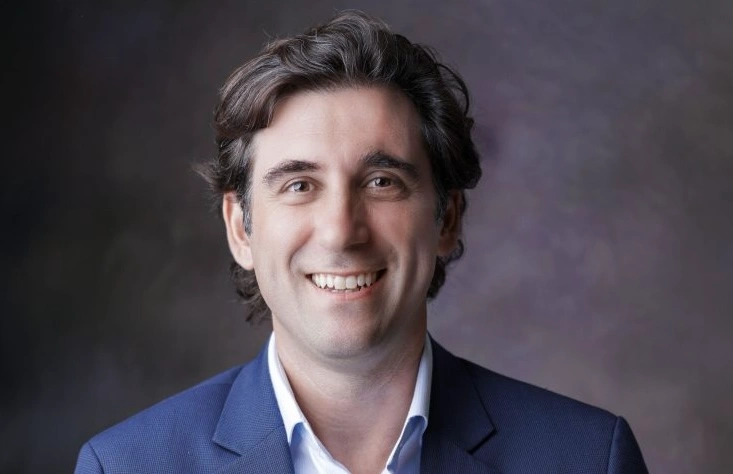
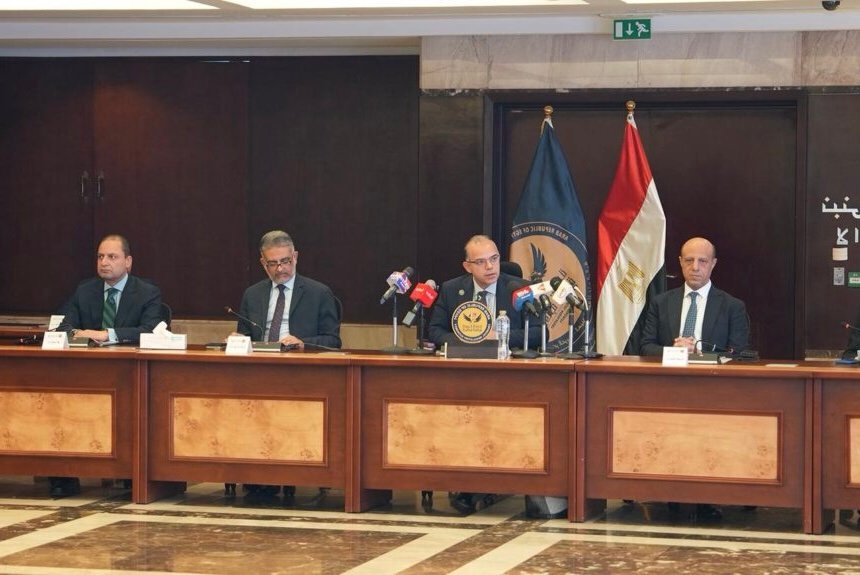
Egypt’s Financial Regulatory Authority declares 2025 transformative, welcoming 299,000 fresh investor accounts through SPACs, derivatives licensing, and frictionless digital onboarding. Chairman Haitham El Farid credits streamlined KYC processes that tripled retail participation, with millennials in Alexandria cafés and Suez factory workers now trading via biometric apps. Brokerage infrastructure buckles under unprecedented volumes rivaling Turkey’s 2021 demat account explosion, forcing Cairo firms to lease AWS capacity overnight. EGX benchmark indices pierce 2022 highs, propelled by domestic enthusiasm coinciding with foreign re-entry after three years of capital controls.
SPACs enable rapid listings for fintech startups and renewable developers, while the freshly licensed derivatives exchange hedges Egyptian pound gyrations tormenting textile exporters. Women and under-30s constitute 52 percent of newcomers, guided by mandatory risk disclosure webinars rather than pump-and-dump Telegram groups. FRA implements circuit breakers calibrated to Red Sea shipping disruptions, while AI surveillance flags wash trading before institutional damage occurs. Pension schemes reallocate EGP 17 billion from time deposits toward dynamic equity allocations, advised by brokerages expanding advisory desks threefold. Retail platforms report 68 percent of new accounts funding within 48 hours of activation.
Server farms in Smart Village hum 24/7 as fintech partnerships deliver elastic cloud infrastructure absorbing peak loads. Brokerage firms recruit software engineers from Cairo’s competitive tech scene, mirroring India’s post-liberalization talent scramble. IMF-supported macroeconomic stabilization—anchored by 14 percent policy rates and fiscal consolidation—amplifies emerging market appeal during global rate cutting cycles. FRA contemplates fractional share trading and extended settlement cycles to sustain momentum without infrastructure failures.
Everyday Egyptians now check portfolio performance during morning felucca rides along the Nile, empowered by Arabic voice commands executing limit orders. Families diversify inheritance portfolios beyond gold and real estate, tasting compounding returns averaging 22 percent annualized since reforms commenced. Brokerages launch women-focused branches in Upper Egypt, where female account openings surged 410 percent year-over-year. President Trump’s reelection redirects frontier market flows toward relatively stable jurisdictions like post-reform Egypt. Challenges persist—cybersecurity threats targeting retail platforms prompt quantum-resistant encryption rollouts, while pound devaluation debates test conviction. Yet diversified investor composition—from Gulf family offices to London emerging market funds—creates self-reinforcing stability. Brokerage revenues triple as commissions compound across higher volumes, funding nationwide financial literacy campaigns reaching 12 million citizens. Cairo’s brokerage towers pulse with youthful energy, transforming elite trading floors into national wealth engines akin to Mumbai’s Dalal Street renaissance. This retail revolution redefines savings culture, converting decades of bank deposit lethargy into vibrant participatory capitalism fueling Egypt’s next growth chapter.