
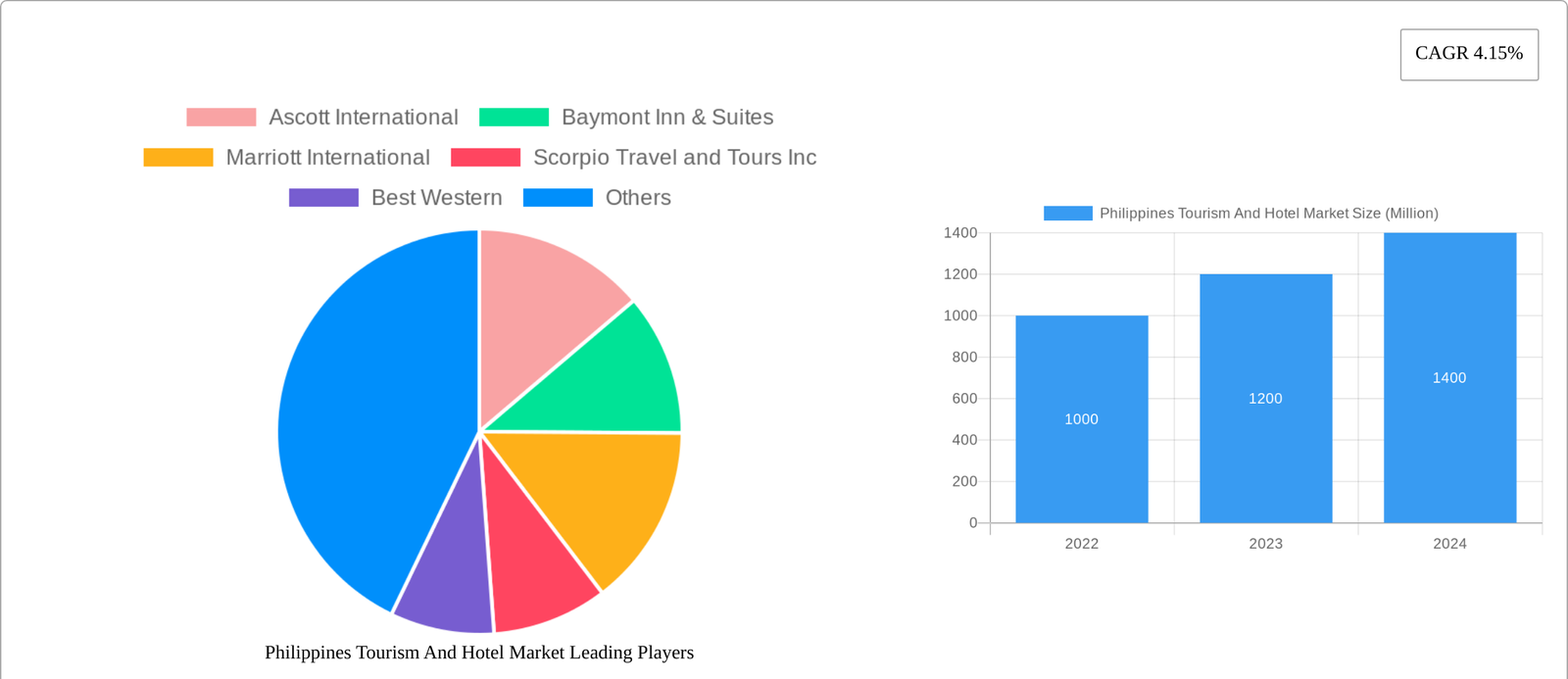
Hospitality‑linked real estate transactions in the Philippines have accelerated as investors bet on a sustained recovery in travel and tourism and position for an expected easing in global interest rates. Investment advisors and brokerage reports highlight growing activity in hotel acquisitions, greenfield developments and mixed‑use projects with significant hospitality components, particularly in Manila, Cebu, Clark, Palawan and other key tourism corridors.
Record‑breaking visitor arrivals and a strong rebound in domestic travel have tightened hotel supply in prime locations, supporting higher occupancy and room rates. Leechiu Property Consultants estimates that the country is on track to add more than 5,200 new hotel rooms by the end of 2025, including about 4,300 rooms coming onstream in the fourth quarter alone, signaling robust confidence in future demand. At the same time, the Department of Tourism has approved dozens of new hotel projects amounting to hundreds of millions of dollars in development capital, further expanding the pipeline.
Policy reforms are amplifying the investment case. A newly approved 99‑year foreign lease law allows international investors to lease land for up to nearly a century, providing long‑term security for resort, hotel and integrated‑tourism projects in destinations such as Cebu, Clark and Palawan. This framework, combined with improving infrastructure and expanded air connectivity, is attracting more cross‑border capital into hospitality, leisure and retirement‑oriented developments.
Against this backdrop, assets like New World Makati Hotel and other city and resort properties have become focal points for both local conglomerates and foreign funds looking for yield and exposure to tourism growth. Advisory firms note that yields on Philippine hotel real estate still offer a premium over more mature ASEAN gateway markets, making the country relatively attractive for investors willing to manage operational risk. As capital markets reset for 2026, many expect continued portfolio rebalancing, recapitalizations and joint ventures that will further integrate hospitality into broader real estate investment strategies.