
Banks across the Middle East are entering 2026 with a very different outlook from the one they sketched only a few months ago. The combination of a war‑driven oil shock, heightened geopolitical risk and shifting expectations for global interest‑rate cuts is forcing lenders to reassess where and how they deploy capital. Many had positioned themselves for a gentle downshift in rates and steady non‑oil growth; instead, they now face volatile crude benchmarks and an unpredictable security environment following strikes between Israel, the United States and Iran. That mix is pushing risk committees to revisit assumptions on credit quality, sector exposure and sovereign support.
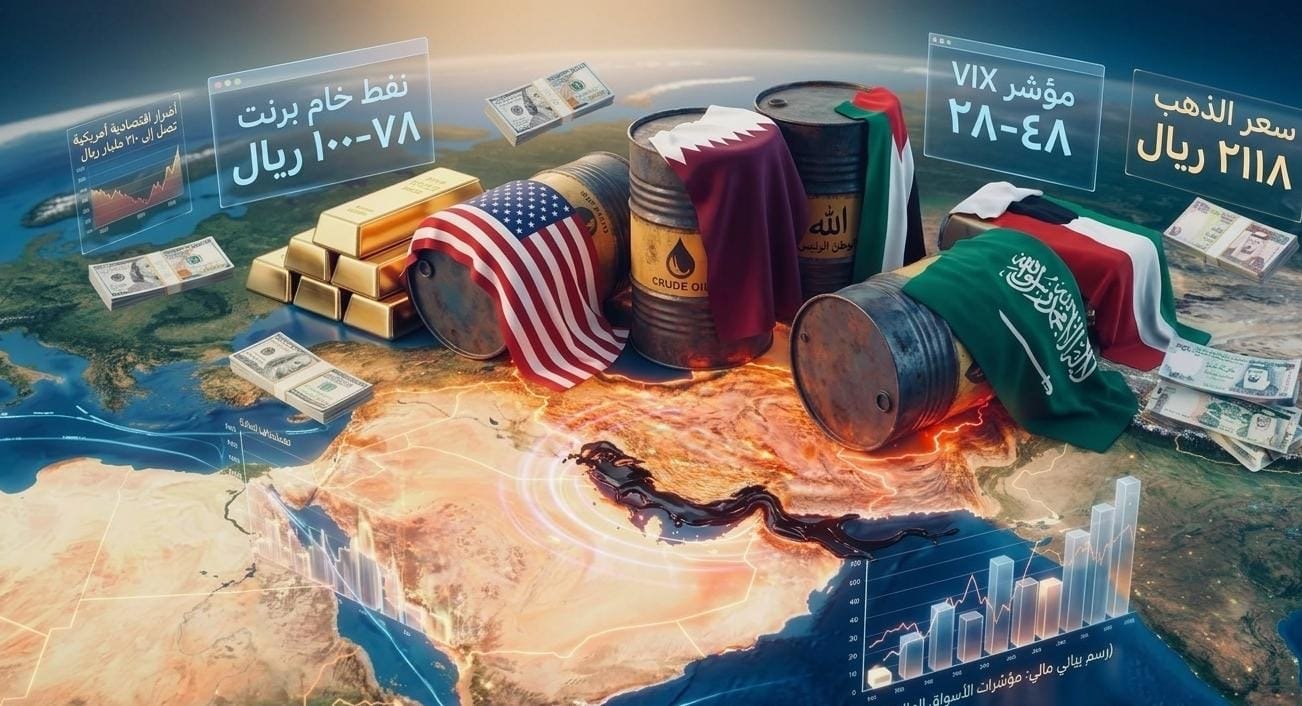
Oil is again at the centre of the story. Standard Chartered this week raised its Brent crude forecast for 2026, lifting its first‑quarter projection to USD 74 a barrel from USD 62 and its full‑year average to USD 70 from about USD 63.50. The bank cited asymmetric upside risks if conflict escalates and disrupts output from Iran or other regional producers, noting that spare capacity is thin and transit routes such as the Strait of Hormuz are under strain. For Middle Eastern lenders, higher oil can be a double‑edged sword. Stronger hydrocarbon receipts boost government deposits and project spending, supporting loan demand. Yet sudden price spikes tied to conflict also raise the risk of sanctions, shipping disruptions and delayed investments, which can hurt corporate borrowers’ cash flows.
At the same time, expectations for global rate cuts are eroding the margin windfall banks enjoyed during the tightening cycle. Analysts and regional commentators say Gulf lenders now face an “earnings test” as lower policy rates compress net interest income while funding costs remain sticky. Some institutions are responding by tilting portfolios toward fee‑based activities, wealth management and transaction banking to diversify revenue streams. Others are trimming exposure to more volatile sectors and frontier geographies, preferring higher‑quality corporates and government‑linked entities that are better placed to withstand shocks. There is also evidence of tighter underwriting in sectors exposed to tourism, aviation and commercial real estate, which could feel the impact of prolonged travel disruptions or weaker investor sentiment. Behind the scenes, risk managers are stress‑testing loan books against more severe conflict and oil scenarios than those used even a year ago. Market commentary from global asset managers highlights how the Middle East conflict has become a meaningful geopolitical risk event for equities and credit markets, encouraging a shift toward safer assets and more conservative positioning. For regional banks, that translates into closer scrutiny of cross‑border loan books, particularly exposures linked to shipping, energy‑intensive industries and highly leveraged borrowers. Yet the picture is not uniformly negative. Many Middle Eastern lenders enter this period with strong capital ratios, comfortable liquidity and, in the Gulf, implicit sovereign support. The challenge for 2026 will be to use those cushions wisely, preserving flexibility while still financing the region’s ambitious economic transformation plans.