
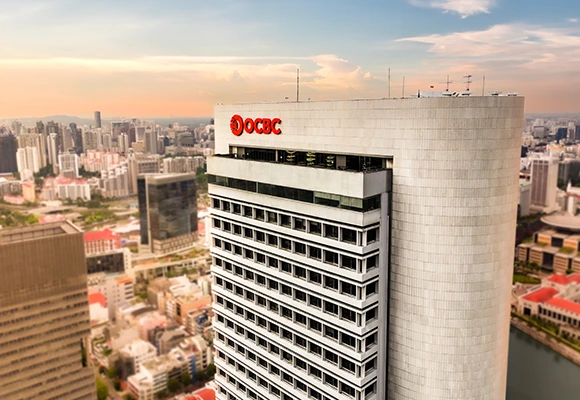
Oversea-Chinese Banking Corporation reported a 3% year‑on‑year rise in fourth‑quarter net profit, edging ahead of analyst expectations as stronger fee, trading and insurance income helped counter mounting pressure on lending margins heading into 2026. Net profit for the period reached roughly S$1.77 billion, with group pre‑provision operating profit supported by resilient loan volumes and a pick‑up in card, wealth and transaction banking fees. Net interest income was broadly flat as loan growth and higher balances in Indonesia and Greater China offset a modest decline in net interest margin, reflecting the market’s belief that global rate cuts will start later this year. Management reiterated guidance that NIM is likely to ease further in 2026 but said the impact should be cushioned by wealth flows and ASEAN growth, particularly in Indonesia, Malaysia and Vietnam.
Wealth management remained a critical earnings pillar, as OCBC continued to benefit from high‑net‑worth clients shifting assets to Singapore amid ongoing capital and geopolitical tensions in China and parts of the region. Assets under management rose alongside stronger insurance contributions from its majority‑owned Great Eastern unit, which saw improved investment performance and higher protection and savings premiums. Fee income from wealth, cards and trade finance combined to deliver mid‑single‑digit growth, partially offsetting softer brokerage and investment banking fees. The bank highlighted robust customer acquisition in its affluent and private banking segments and said it aims to deepen regional wealth connectivity via Hong Kong, Indonesia and Malaysia hubs. OCBC’s balance sheet remained conservative, with common equity Tier 1 ratios comfortably above regulatory minimums and liquidity coverage ratios well in excess of 100%. Credit costs stayed benign, helped by earlier overlays and still‑healthy asset quality across key markets, although management flagged that pockets of stress in commercial real estate and selected SME sectors bear watching. The board proposed a higher final dividend, maintaining a progressive payout stance in line with peers DBS and UOB, which have also leaned on strong capital positions to reward shareholders even as margins peak. Looking to 2026, OCBC framed its strategy around regional wealth, ASEAN trade corridors and cross‑border corporate banking, arguing that diversified income streams will be essential as the rate cycle turns and competition in Singapore’s home market intensifies.