
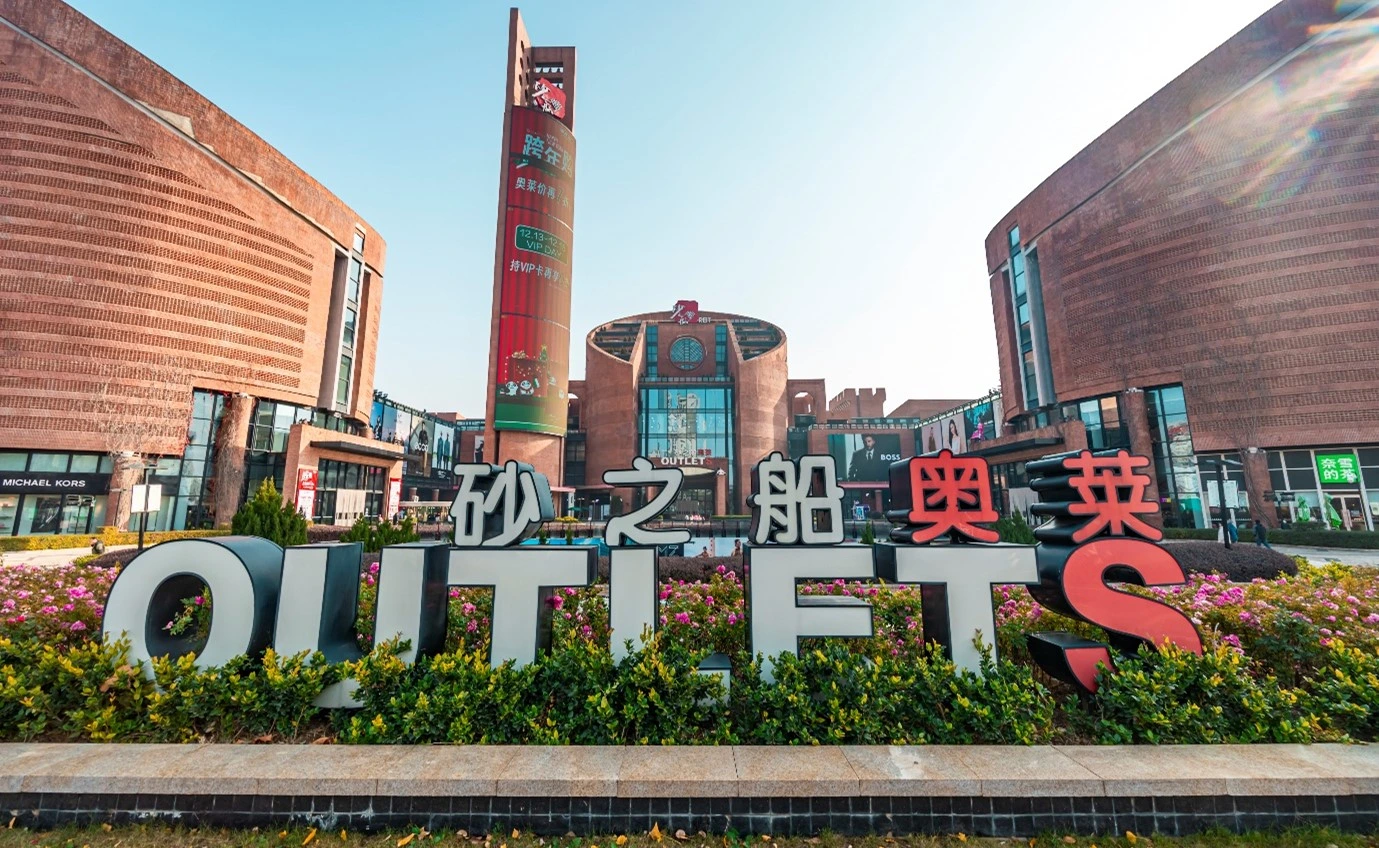
Sasseur REIT, the Singapore-listed trust focused on outlet malls, has signalled a strategic shift towards Hong Kong and Southeast Asia after rejecting a sponsor offer to buy the Sasseur (Xi’an) Outlets property in China. The decision by trustee DBS Trustee Limited on 27 January underscores management’s preference for higher-quality, yield-accretive assets amid softening domestic retail dynamics. Investors now watch for the REIT’s first major moves into ASEAN as it balances its China-heavy portfolio with regional diversification.
China’s outlet sector has faced headwinds from economic slowdowns, weaker consumer spending and oversupply in secondary cities, prompting Sasseur to rethink its growth playbook. By passing on Xi’an, valued at a price that likely offered limited upside, the trust prioritised capital discipline over expansion for its own sake. Full-year 2025 distributable income rose 2.8 per cent to $85.7 million, supported by lower finance costs and taxes, but management sees brighter prospects in markets with stronger tourism recovery and middle-class expansion.
Southeast Asia fits that profile perfectly, with outlet retail gaining traction in tourist hotspots like Bangkok, Kuala Lumpur and Hanoi where international brands seek affordable channels to reach aspirational shoppers. Hong Kong, despite its own challenges, offers a gateway to Greater Bay Area demand and established logistics for cross-border retail plays. Sasseur’s sponsor, Sasseur Cayman Holding, brings proven expertise in developing themed outlet destinations that blend factory-direct pricing with experiential elements.
The pivot aligns with broader trends among Asia Pacific REITs seeking stable rental growth outside mature or volatile markets. Offices and logistics remain investor favourites, but selective retail like outlets benefits from captive footfall and long-term leases to durable tenants. For Sasseur, success hinges on securing sites with high visibility, infrastructure access and growth corridors that mirror its China blueprint but with less execution risk.
Stakeholders praise the strategic clarity but caution on timing and pricing discipline. Southeast Asian land costs vary widely, and regulatory approvals for large retail formats can drag in protectionist pockets. Yet the region’s 5-7 per cent GDP forecasts through 2027 provide a solid backdrop for occupancy gains and rent uplifts. If executed well, new assets could lift distribution per unit beyond recent levels of 3.083 Singapore cents for second-half 2025.
This repositioning reflects a maturing REIT manager adapting to macro shifts without abandoning its core competency. Unitholders stand to gain from diversified revenue streams that hedge China exposure while tapping ASEAN’s consumption boom. As Sasseur hunts deals, it could inspire peers to venture beyond home turf in pursuit of sustainable yields. The Xi’an snub marks not caution but calculated ambition in a competitive landscape.