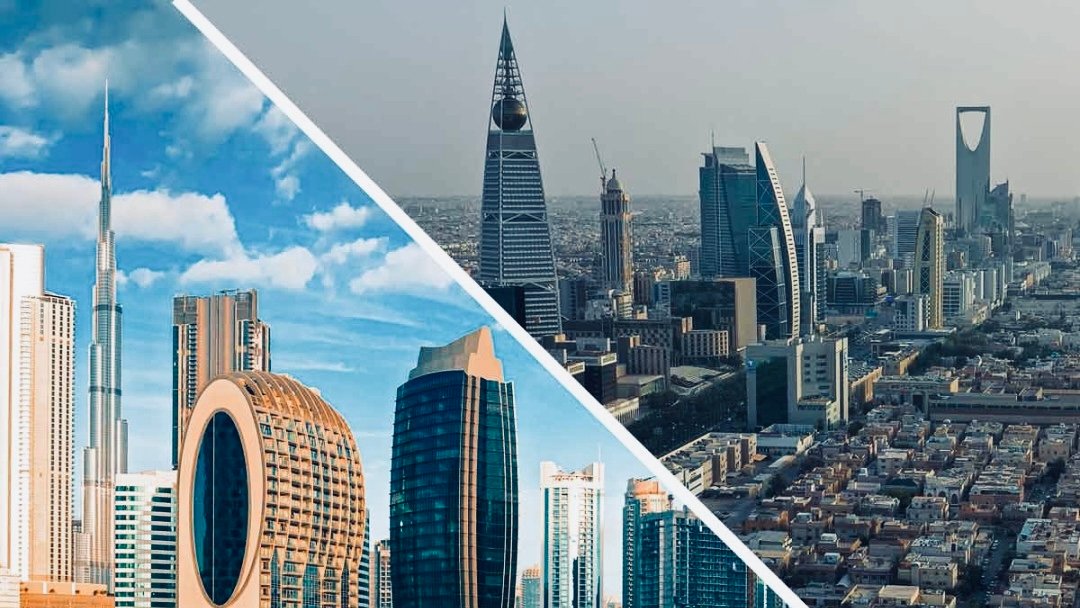
Dubai and Riyadh are rapidly consolidating their positions as the Middle East’s most important wealth-management centres, with private banks, family offices and boutique advisers chasing a fast-expanding base of ultra-rich clients. The shift reflects both the scale of wealth being created in the Gulf and the growing preference for local, Shariah-compliant, digitally delivered financial advice.
Dubai remains the region’s best-known wealth hub, with more than 500 financial services firms and assets under management above US$600 billion across the wider region, according to wealth-industry commentary. The city’s advantage lies in its ecosystem: the DIFC, international tax structures, global connectivity and a deep pool of advisers that can serve Middle Eastern, South Asian and African clients from one base.
Riyadh is closing the gap quickly. The Saudi capital now hosts a growing network of licensed financial services firms and is increasingly seen as the place where new Gulf wealth is being created, particularly through megaprojects, sovereign investment and domestic capital-market development. That makes it attractive not only to Saudi families, but also to international private banks that want access to the kingdom’s long-term capital flows.
The opportunity is being shaped by client expectations. Ultra-high-net-worth families increasingly want advisers who can combine succession planning, private credit, real estate and Shariah structures with digital reporting and personalised portfolio tools. Wealth managers that can offer that mix are gaining share, while slower firms are being forced to rethink their model.
The competition is not only between cities, but also between business models. Global banks still matter, but family offices, independent advisers and specialist Islamic-finance platforms are taking a larger share of the conversation as wealthy clients seek more control and more transparency. That trend is likely to accelerate as the Gulf’s next generation of wealth holders pushes for better digital access and more flexible advice.
For Dubai and Riyadh, the race is now about depth, not just scale. The winner will be the centre that can combine international reach with cultural trust, regulatory certainty and technology that makes private banking feel both modern and discreet.