
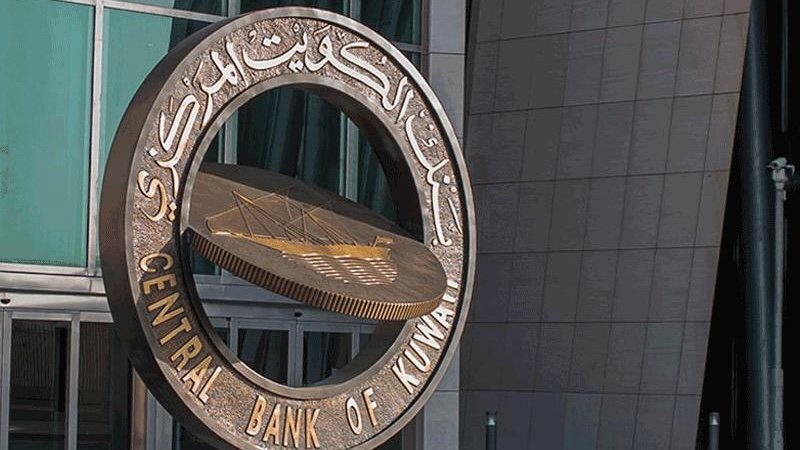
Kuwait’s central bank has unveiled a significant stimulus package for local lenders, temporarily easing liquidity and capital requirements as regional tensions and drone attacks weigh on business confidence. The move reduces the minimum liquidity coverage ratio and net stable funding ratio from 100 per cent to 80 per cent and lowers the minimum regulatory ratio from 18 per cent to 15 per cent.
The policy is designed to do one thing above all: keep credit flowing. By relaxing Basel III-style constraints, the Central Bank of Kuwait is trying to give banks more room to lend to companies and households at a time when economic sentiment is fragile and liquidity can become overly cautious.
That is a notable shift because the central bank is not saying the sector is weak. On the contrary, it says the banking system still enjoys strong capital and liquidity indicators, with financial soundness metrics comfortably above global averages and regulatory minimums. The easing is therefore preventive rather than corrective, a way to support growth before stress becomes a full-blown credit squeeze.
For lenders, the benefits are immediate. Lower liquidity requirements free up balance-sheet capacity, while a reduced capital threshold creates more room for new loans and potential restructurings. That matters in Kuwait, where banks remain central to corporate funding and where a slowdown in lending could quickly ripple through the wider economy.
The timing also reflects a broader regional pattern. Gulf regulators are trying to balance prudence with growth as conflict risk, oil-market volatility and investment caution all rise at the same time. Kuwait’s package may prove to be one of the clearest examples of that balancing act, because it explicitly uses macroprudential policy to support activity without abandoning supervision.
Investors will watch closely to see whether the easing triggers stronger loan growth or simply provides a buffer that banks hold on to. Either way, the message is that Kuwait wants its banks to remain active lenders even as the external environment gets rougher.