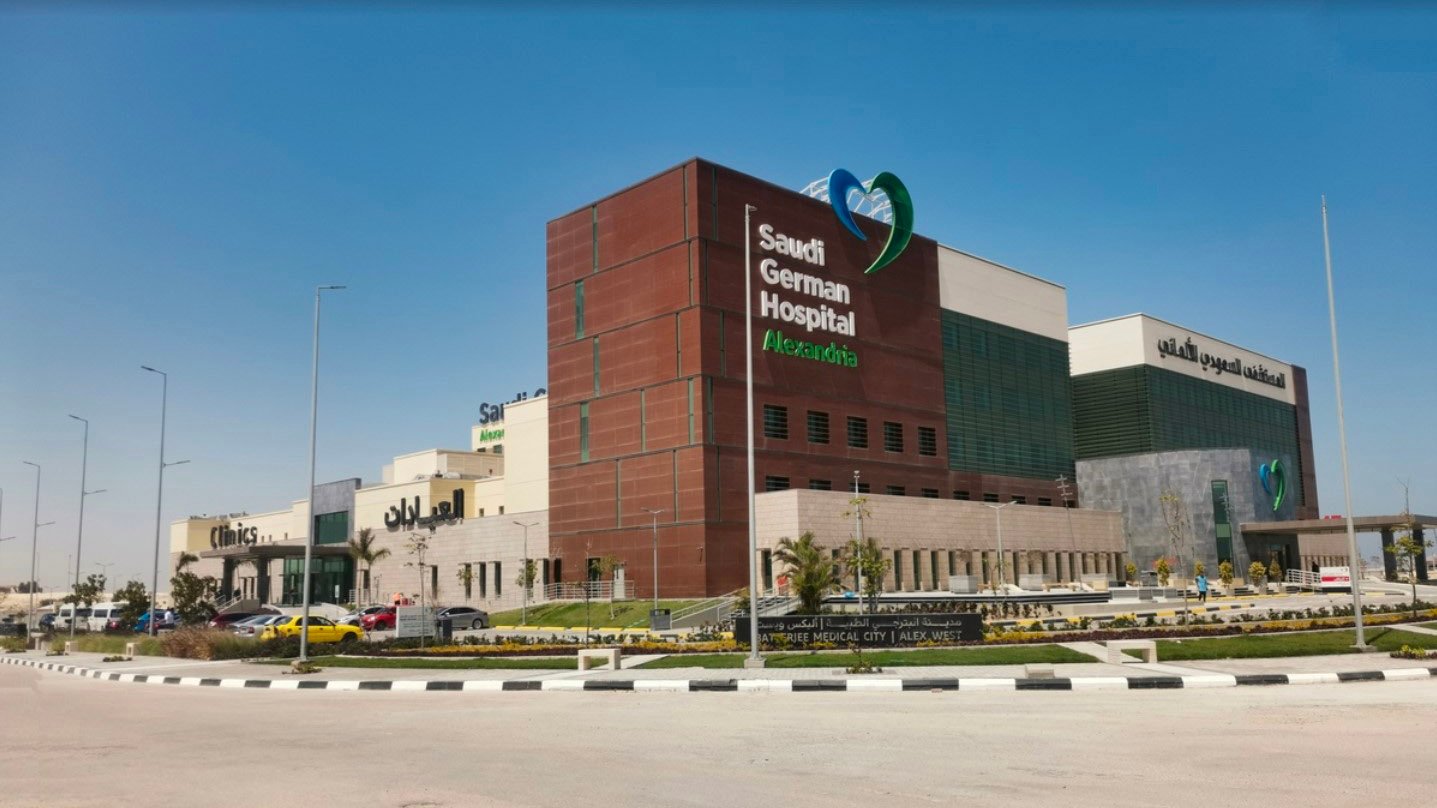
Saudi German Health has secured final approval from Saudi Arabia’s Ministry of Health for its new outpatient clinic complex in Riyadh, allowing the company to begin medical operations. The facility will open with 16 clinics covering a range of specialties, giving the healthcare provider another operating foothold in the Kingdom’s fast-growing capital city. The licence is a straightforward announcement, but it also says a great deal about the company’s broader expansion strategy.
The company said operations began on March 2, 2026, shortly after the final approval was granted. It also confirmed that the complex is fully ready to receive patients and support its wider service network. In practical terms, that means the Riyadh site is not a planning concept or a delayed project; it is now a working part of the company’s care delivery model. That matters in a market where healthcare groups are being pushed to open capacity quickly and efficiently.
The clinic complex was initially approved by the board in March 2025 and was estimated to cost SAR 22 million, including equipment and supplies. Saudi German Health said the facility is being funded internally, which suggests management is comfortable using existing cash generation to support growth rather than relying on outside financing. That can be a useful signal in healthcare, where capital discipline and operating leverage matter alongside patient volumes.
The company did not hide the fact that the new site is part of a broader expansion plan. Saudi German Health has been adding capacity in different parts of the Kingdom over the past several years, and outpatient services are a natural growth area because they are less capital-intensive than full hospitals while still providing strong patient flow. A 16-clinic complex also gives the group more flexibility to provide specialist care closer to where patients live and work.
For the Saudi healthcare market, the opening reflects a wider shift toward more accessible and diversified care. Riyadh continues to attract investment because of its population growth, higher healthcare demand and role as the Kingdom’s administrative and business centre. Outpatient facilities help relieve pressure on larger hospitals by handling consultative care, diagnostics and follow-up treatment in a more efficient format. They also fit well with the government’s push to expand private-sector participation in health services.
The financial impact of the new complex is expected to show up in the company’s Q1 2026 results. That means the market will be able to see fairly quickly whether the new site is contributing to revenue and operating performance. For investors, that visibility is useful because it ties expansion spending to measurable output rather than abstract growth promises. Saudi German Health’s Riyadh clinic approval also underscores how licensing has become a key part of healthcare expansion in Saudi Arabia. Providers that can secure approvals quickly and execute well are likely to gain an edge as demand rises. In that context, the opening of this outpatient complex is not just a local development; it is another sign that the company is still actively building its Saudi footprint.