
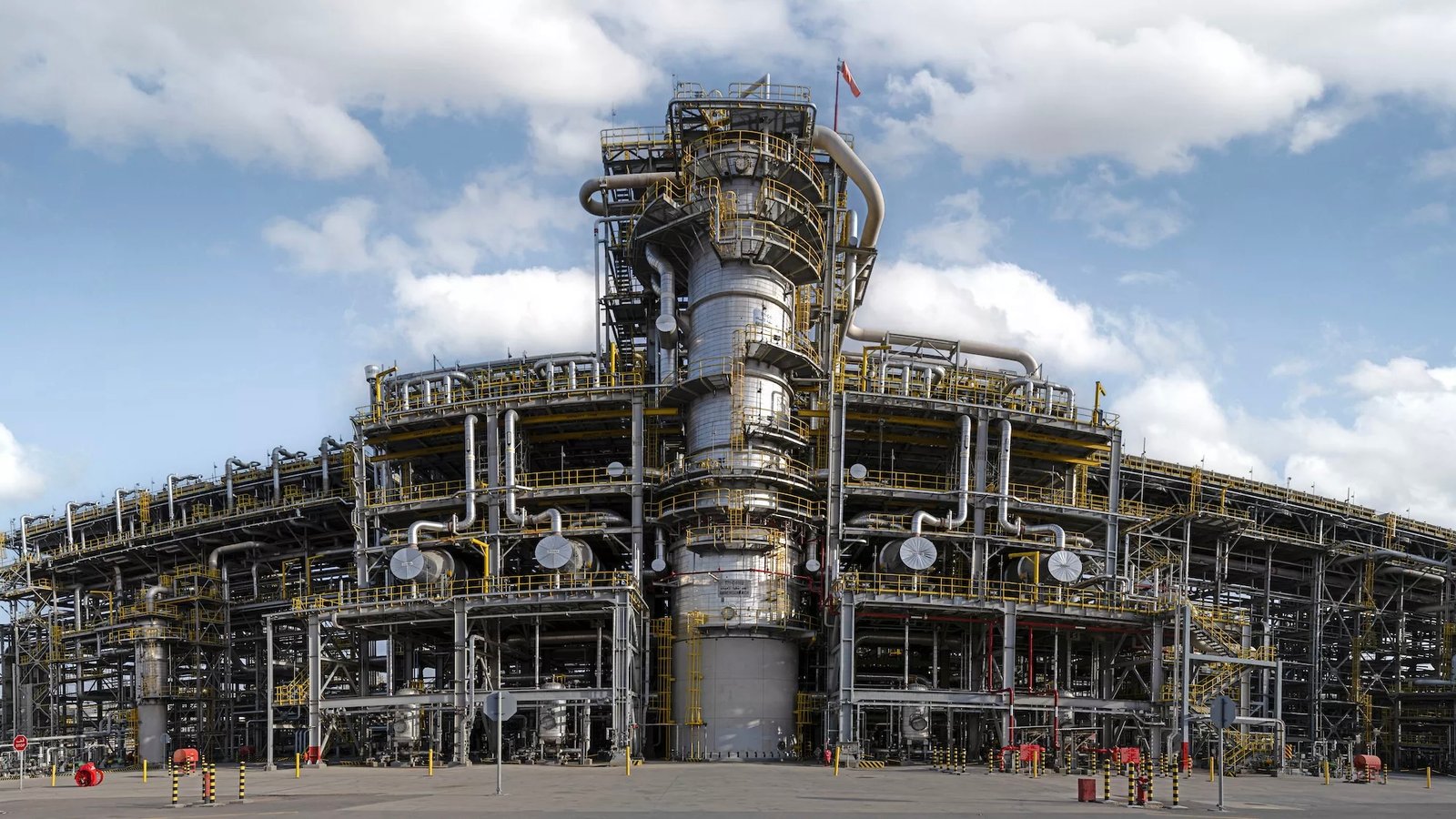
Saudi Arabia’s energy infrastructure is facing renewed pressure after attacks disrupted facilities, damaged oil assets and forced the temporary shutdown of a major export pipeline. The incidents have increased concerns about Saudi crude supplies and pushed global oil markets into a period of heightened uncertainty.
The latest attacks targeted several locations across southern Saudi Arabia, including Abha, Khamis Mushait, Jazan and Najran. Saudi authorities said fires broke out at energy facilities and that emergency teams were deployed to contain the damage. More than 70 people were reported injured.
The Houthi movement claimed responsibility for a wider offensive involving missiles and drones. It said the targets included facilities linked to Saudi Aramco, the kingdom’s national oil company. Reuters reported that the Financial Times had said Aramco’s Jazan facilities were hit, although the damage had not been independently verified and Aramco had not commented at the time.
The incidents have created a difficult operating environment for Saudi Arabia, the world’s largest oil exporter. Energy companies must protect production facilities, processing sites, storage locations and transport routes while maintaining supplies to domestic and international customers.
The disruption became more serious after a drone strike temporarily shut the East-West pipeline, a 1,200-kilometre route that carries Saudi oil across the kingdom to the Red Sea. The pipeline provides an alternative export path that helps Saudi Arabia bypass the Strait of Hormuz.
That alternative route is strategically important. A large share of Gulf oil normally moves through the Strait of Hormuz, a narrow waterway exposed to regional security risks. When the East-West pipeline is unavailable, Saudi exporters have fewer options for moving crude toward international markets.
The pipeline can carry up to about 4% of global oil supply, according to Reuters reporting. Even a temporary shutdown can therefore influence trader sentiment, especially when shipping routes and regional energy facilities are already under pressure.
Markets responded quickly. Oil prices rose to six-week highs after the attacks, as traders assessed the possibility of longer disruptions and a wider conflict involving critical energy infrastructure. Higher prices reflect the risk that physical supply could decline, but they also reflect the uncertainty surrounding future attacks.
The International Energy Agency later said Saudi crude supply had fallen by 2.3 million barrels per day in August to about 6 million barrels per day, the lowest level in more than three decades. The agency linked the decline to attacks on Saudi facilities, shipping near Yanbu, the Jazan refinery and other regional energy assets.
The production decline illustrates how quickly security incidents can affect energy markets. Oil companies may have to halt operations for safety inspections, damage assessment, repairs or precautionary reasons. Even when facilities are not permanently destroyed, the interruption can reduce available supply and complicate export planning.
Saudi Aramco’s position makes the situation especially important. The company operates one of the world’s largest integrated oil businesses, covering production, processing, storage and distribution. Any disruption involving its facilities can have consequences beyond a single site because the company’s network is closely connected.
The attacks also affected investor sentiment. Saudi Aramco shares declined as Gulf markets assessed the risk to energy infrastructure and shipping routes. Saudi Basic Industries and Saudi Arabian Mining also fell, showing that concern spread beyond oil producers to wider industrial companies exposed to energy prices and regional confidence.
For Saudi Arabia, the challenge is to restore normal operations while avoiding a broader supply shock. The government must protect infrastructure, coordinate emergency responses and reassure international buyers that export commitments can be maintained. The longer disruptions continue, the more difficult that task becomes.
The security issue extends beyond Saudi territory. Iran warned that energy infrastructure across the Gulf, including oil and gas interests linked to the United States, could be vulnerable to retaliation. That statement added to concerns that attacks might spread across production, processing and shipping assets in several countries.
Shipping routes are also under scrutiny. Threats affecting the Bab el-Mandeb, the Red Sea and the Strait of Hormuz can force vessels to change routes, delay cargoes or pay higher insurance costs. Energy companies may then face increased transport expenses even when production itself remains stable.
The situation shows why Saudi Arabia has invested in alternative export infrastructure. The East-West pipeline was built to provide flexibility and reduce reliance on Hormuz, but its temporary closure demonstrated that alternative routes remain vulnerable to attacks. Redundancy can reduce one risk while leaving another exposed.
Energy companies will now focus on protection, rapid repair and operational resilience. That may include stronger surveillance, additional security around pipelines and facilities, improved emergency coordination and expanded contingency planning for exports. Such measures could raise costs, but they are increasingly necessary in the current environment.
The crisis may also influence future investment decisions. Companies and governments could place greater emphasis on protected infrastructure, distributed storage and routes that can operate independently when one corridor is disrupted. Security is likely to become an even larger part of the cost of developing energy assets.
The immediate outlook remains uncertain. If the pipeline restarts quickly and damaged facilities return to service, the effect on global supplies may be limited. If attacks continue or spread to shipping lanes, traders could face a more serious disruption with wider consequences for prices and inflation.
For Saudi Aramco, the latest incidents are a reminder that its operational strength depends not only on production capacity but also on the security of the entire network connecting fields, plants, storage sites and export terminals. The attacks have therefore become an international energy concern. They have reduced Saudi supply, disrupted a vital pipeline, unsettled Gulf markets and raised the possibility of further damage to the infrastructure that supports global oil flows.
