
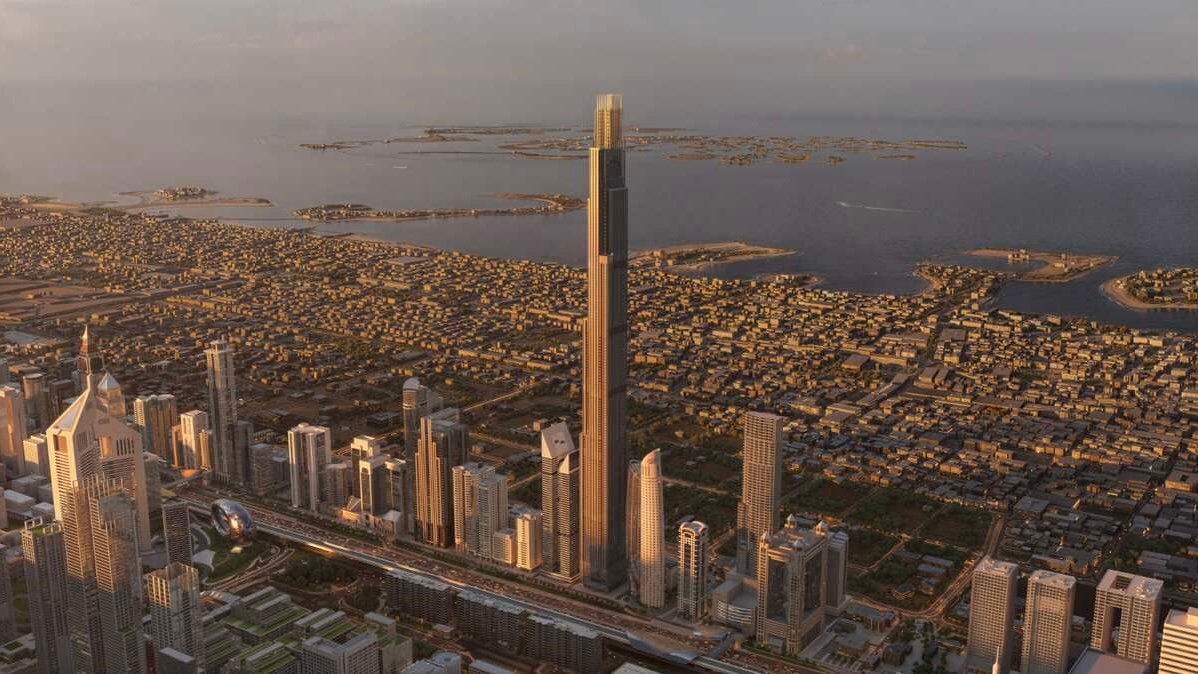
Dubai-based developer Azizi Developments plans to hand over 10 additional projects before the end of 2026, following the delivery of seven projects earlier this year. The target highlights the company’s focus on converting its construction pipeline into completed homes and operational developments across the UAE.
Project handovers are important in the property industry because they mark the point when buyers can receive their units and developments begin moving from construction into occupancy. For developers, successful delivery also supports revenue recognition, customer confidence and the ability to launch future projects.
Azizi’s plan means the company expects to complete 17 projects in total during 2026 if it meets its year-end target. The additional 10 handovers between now and December will require close coordination across contractors, consultants, utilities providers and government authorities.
The pace of delivery is significant because Dubai’s property market has expanded rapidly in recent years. Strong buyer interest, international investment and continued population growth have encouraged developers to launch new residential projects across different price segments. That growth has also increased pressure on companies to complete projects on schedule.
For buyers, handover performance is often more important than promotional claims. A completed project provides clarity on the final product, access to amenities and the practical conditions of ownership. Timely delivery can also protect buyers from prolonged financing costs, rental uncertainty and delays in moving into their homes.
For Azizi, the seven projects already handed over in 2026 provide a foundation for the next stage. The company can use completed developments to strengthen its relationships with buyers, investors and sales partners while demonstrating that its pipeline is progressing. The next 10 projects will test whether that momentum can be sustained through the end of the year.
The handover target also reflects the importance of execution in Dubai’s increasingly competitive development industry. Developers must compete not only on location and design but also on construction quality, service standards and reliability. Buyers have more options, so delays or uneven delivery can affect a company’s reputation quickly.
Azizi’s projects form part of a wider UAE development pipeline that includes apartments, mixed-use communities and larger destination schemes. As more projects reach completion, the market will gain additional housing supply and a wider selection of ready or nearly ready units. That could give buyers greater choice across price points and locations.
At the same time, additional supply may create more competition among developers. Companies that deliver on time and maintain quality could stand out, while those facing delays may struggle to attract buyers in a market with more completed inventory. The handover process is therefore both an operational task and a commercial differentiator.
Dubai’s property market is also entering a period when analysts are watching the relationship between new supply and prices. Recent commentary has suggested that prices could adjust by 5% to 10% as more supply reaches the market by 2027. Although that forecast concerns broader market conditions, it makes project delivery and demand management especially important for developers.
The prospect of a price adjustment does not automatically mean demand will weaken sharply. Dubai continues to attract international buyers, residents and businesses, while the city’s infrastructure and global connectivity remain important advantages. But developers must still ensure that new projects match actual demand rather than relying only on continued price growth.
Azizi’s handover programme could help address that challenge by adding completed homes to the market instead of only announcing future developments. Ready units can appeal to buyers who want certainty, immediate access and clearer visibility on quality. They can also support rental supply as new residents enter Dubai.
For the construction sector, the programme creates continuing work for contractors, fit-out companies, building-material suppliers and maintenance providers. Each handover requires more than finishing the main structure; it also involves inspections, utility connections, common-area completion and preparation for residents.
The final months of the year could therefore be demanding. Ten additional handovers represent a substantial workload, and delays in one part of the process can affect the entire delivery timetable. Effective coordination will be necessary to complete the projects while maintaining standards.
The company’s broader development pipeline will also remain under observation. Handover activity shows progress on existing projects, but developers must balance completion commitments with the launch and construction of new schemes. Too much focus on new sales without adequate delivery can damage trust, while overly cautious expansion can limit future growth.
Azizi’s target suggests that the company is choosing to emphasize delivery as a central part of its strategy. That is a useful message in a market where buyers increasingly ask about construction progress, completion dates and post-handover services before committing to a purchase.
The UAE’s property sector remains supported by population growth, tourism, business expansion and international investment. However, those strengths do not remove the need for careful project planning. Developers still have to judge locations, pricing, construction schedules and customer expectations accurately.
For buyers, the next 10 handovers will provide a clearer view of the company’s ability to execute at scale. For investors, they will offer a measure of operational performance and market demand. For the wider industry, they show how important delivery will become as Dubai’s project pipeline expands.
Azizi’s 2026 plan is therefore about more than the number of projects completed. It reflects the wider transition of Dubai real estate from a launch-driven market toward one where construction progress, handover reliability and lived experience increasingly shape reputation. If the developer meets its target, it will close the year with a substantial record of completed projects and a stronger platform for future growth. The immediate test, however, is clear: deliver the next 10 projects on time, maintain quality and ensure that completed homes match the expectations created when they were first sold.
