

Supertails Bags $30M in Series B to Fuel India’s Pet Care Revolution
Pet care startup Supertails raises $30 million in Series B round to scale omnichannel services across India.
Pet care startup Supertails raises $30 million in Series B round to scale omnichannel services across India.

Klook raises S$120M Series F to scale experiential travel platform serving adventure-focused millennials.

Traveloka launches comprehensive Bali agritourism platform targeting sustainable rural escapes amid overtourism concerns.

Enerzolve raises US$5.1M seed to scale energy grid management and EV infrastructure tech.

Hupo secures US$15M funding to scale AI sales performance platform across financial services.
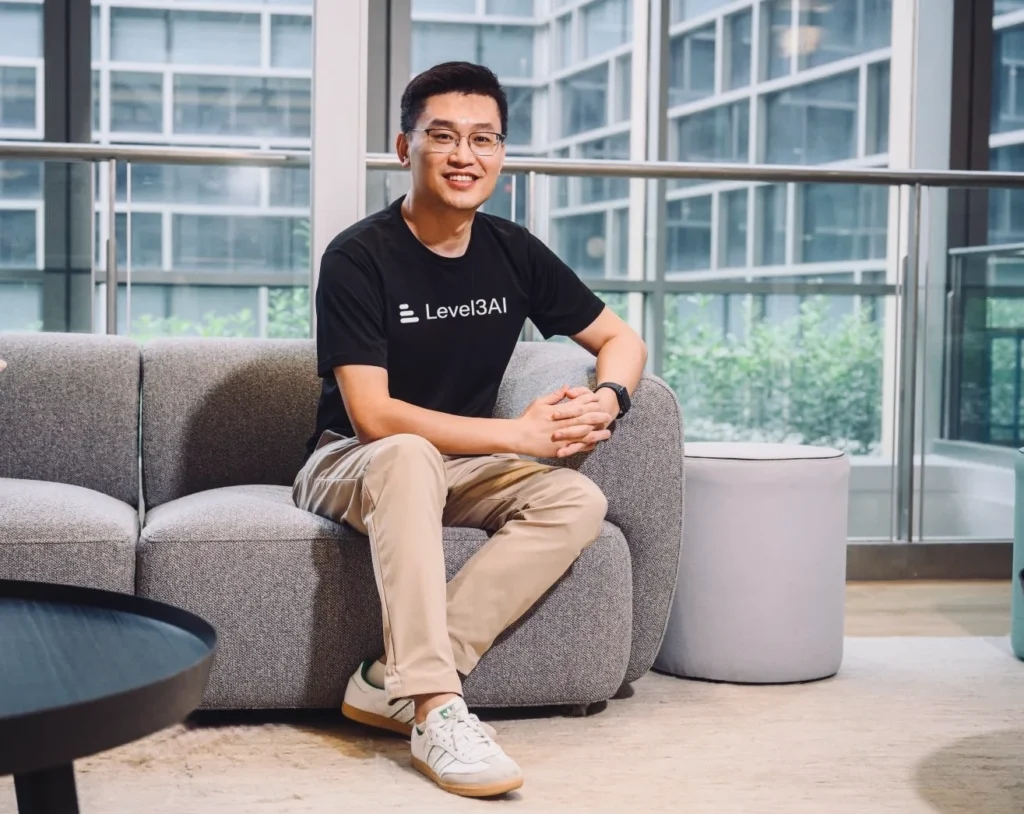
Singapore-based Level3AI raises US$13M seed led by Lightspeed to expand enterprise AI customer engagement platform.

Peak3 powers Lazada’s insurance marketplace serving 280M shoppers across six markets.

SEADRIF parametric mechanism activates rapid claims following Mekong floods impacting 1.2M.
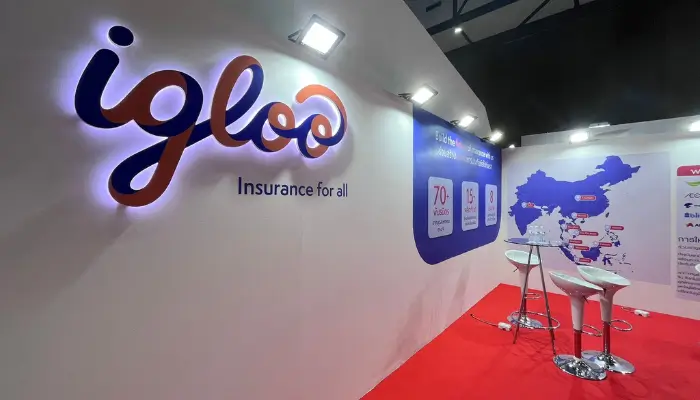
Igloo parametric products integrate into e-commerce protecting 4.2M merchants regionally.

Chubb Insurance Malaysia files prospectus for landmark Bursa listing amid regional IPO surge.

BelMoney partners regional APMs enabling instant settlements across ASEAN trade corridors.

MannyPay disrupts Western Union dominance through OFW-focused financial services.

Airwallex accelerates Jakarta-Manila expansion serving 120,000 SEA enterprises.

Grab accelerates multi-billion fintech expansion integrating financial services into superapp ecosystem.

Composable banking reshapes underserved segments through API-driven enterprise partnerships.
Bank of Thailand flags eroding edge urging banking reforms amid 2.5% policy stance.

DBS hedges margin erosion better than OCBC-UOB while lifting Q4 payout.
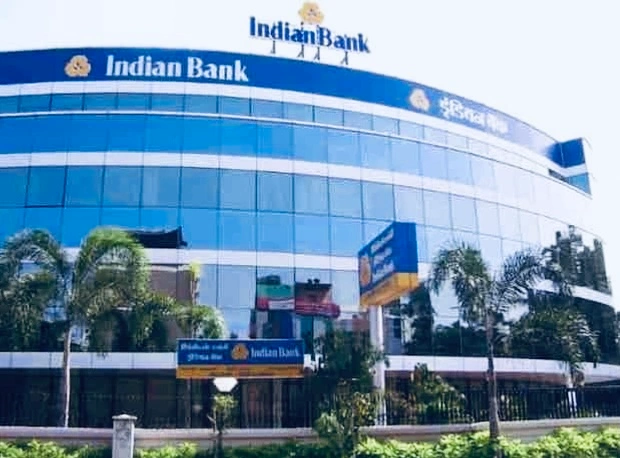
Indian Bank’s board approves Southeast Asia expansion targeting RM15 billion diaspora business.
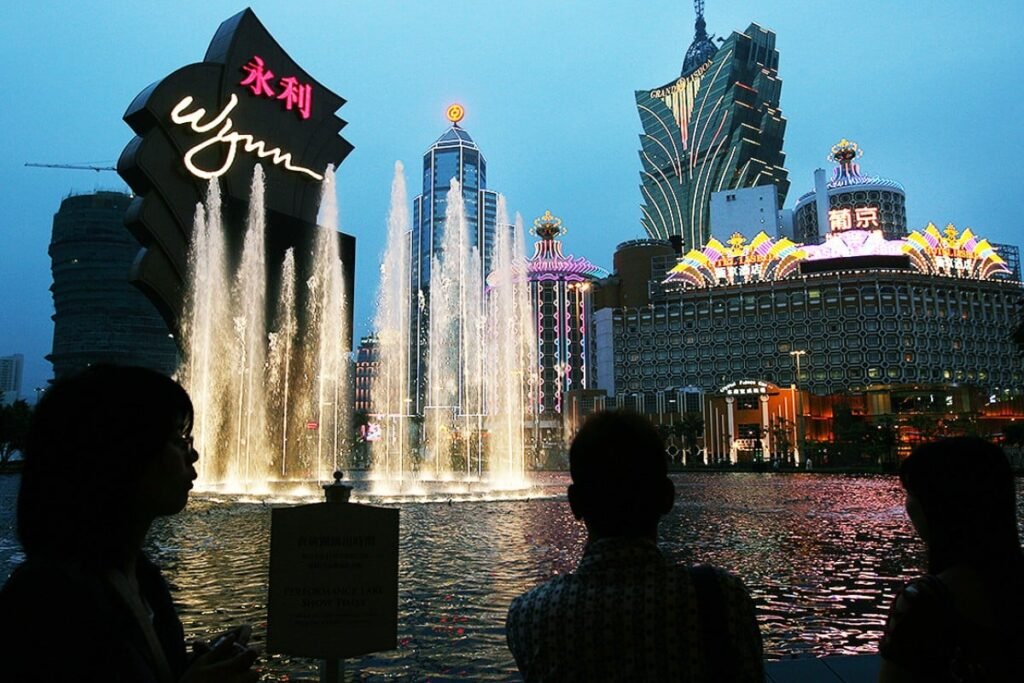
Casino firms chase entertainment revenue amid junket credit curbs.
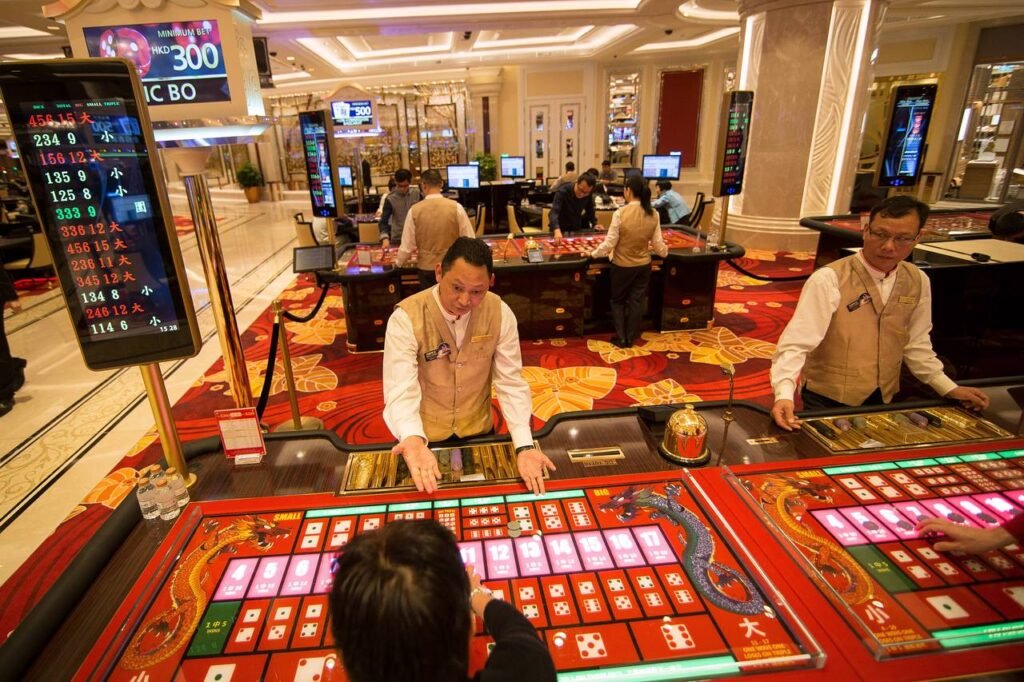
Regulators extend junket limits amid slowing high-roller action.

Tech firms push AI and apps to capture Asia-Pacific’s booming virtual care sector.

Major trade event returns to spotlight Thailand’s medical tourism edge amid regional growth.

Aether Fuels boosts sustainable jet fuel drive with fresh capital.

NANO Nuclear Energy strikes key deal to deploy reactors across Asia.

CuePilot AI raises pre-seed to bring interactive learning to young kids regionally.

Chinese beverage giants have planted over 6,100 outlets across Southeast Asia, turning urban streets into battlegrounds for affordable sips and premium brews.

HashKey Capital hits first close on $250M fund targeting blockchain in volatile markets.

Thailand’s MEDEZE named top stem cell firm, advancing trials across Southeast Asia.

Turion Labs launches Singapore base to fuel Southeast Asia’s biotech innovations.

DeepMind’s new Singapore hub advances AI tailored to Asia-Pacific languages and cultures.
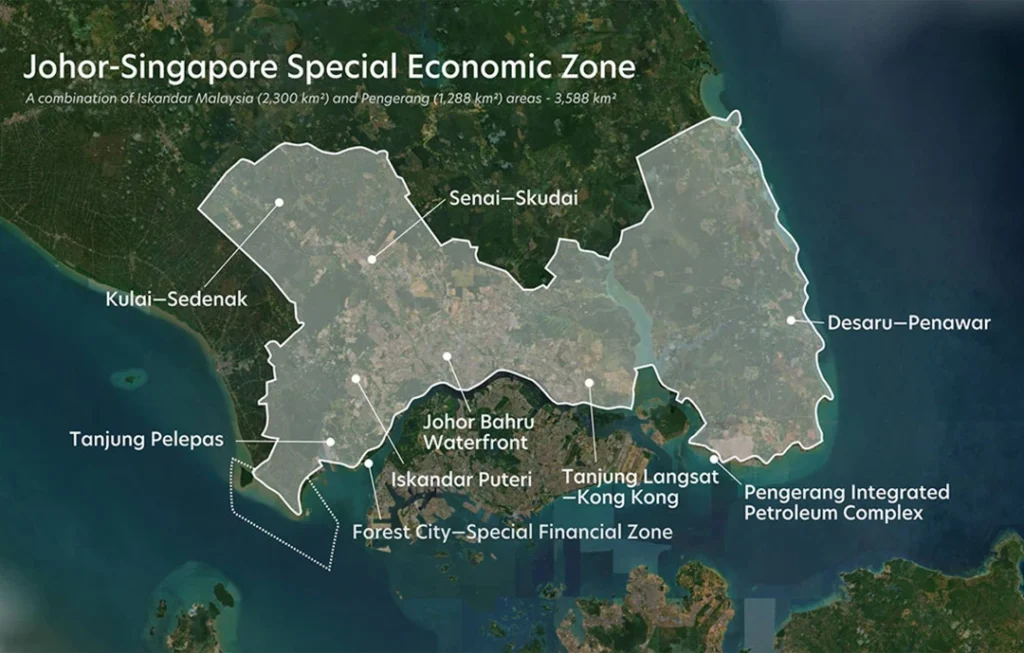
Johor-Singapore zone eyes renewable surge with power exports via Enegem platform.

Philippines secures $15 billion Masdar pact for 1GW renewables to cut coal dependency.
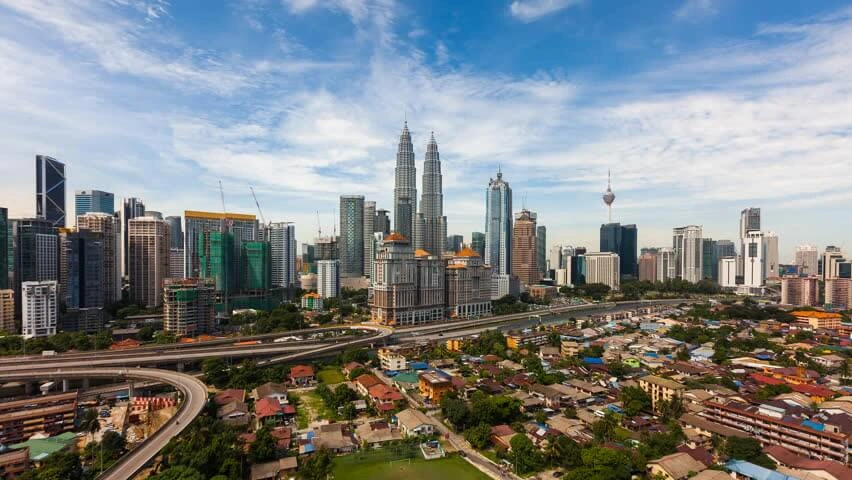
Kuala Lumpur retail braces for 1.27 million sq ft new space in 2026. Tourism push and resilient jobs to counter rising vacancy risks.
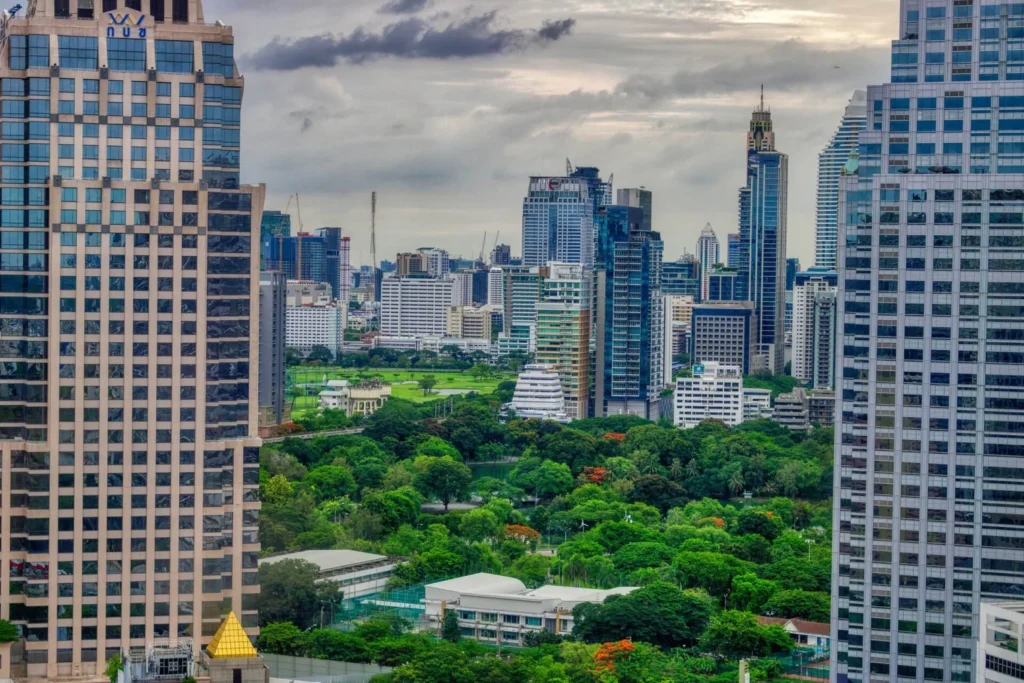
Bangkok condo market heats up with eight new projects launching by end-2026. Pre-sales hit 72% average as buyers eye value amid promotions.

Neighboring nations unite to fortify defenses as cyber-attacks target financial hubs.

Buy-now-pay-later firms thrive as Southeast Asia’s consumers demand flexible spending options.

Southeast Asia’s banking scene heats up as global players sharpen regional strategies.
Singapore’s banking trio confronts net interest margin compression. DBS hedging strategy positions it ahead of OCBC, UOB in 2026 earnings race.

Entertainment and leisure operators in Southeast Asia are reporting improving footfall and stabilizing revenues as both tourism and domestic consumption continue to recover into year‑end.

Streaming and digital media platforms across Southeast Asia are ramping up local content production and acquisition to capture a young, mobile‑first audience and differentiate themselves in an increasingly crowded market.
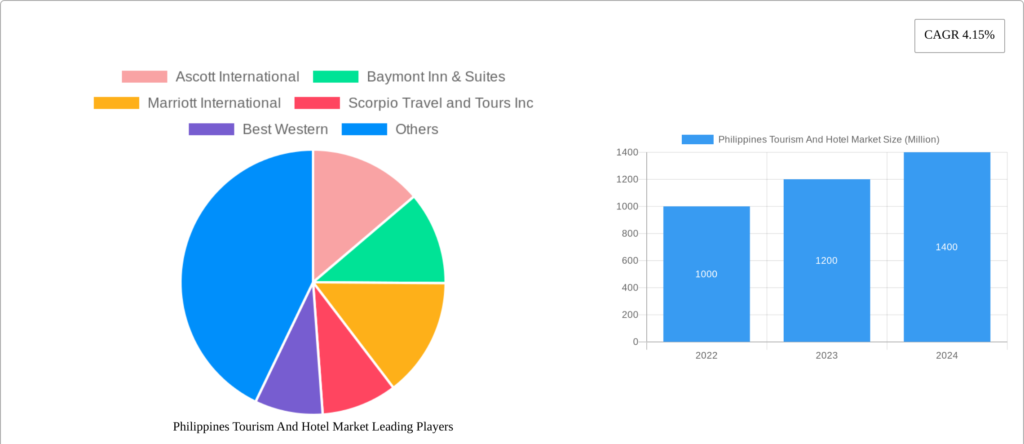
Hospitality‑linked real estate transactions in the Philippines have accelerated as investors bet on a sustained recovery in travel and tourism and position for an expected easing in global interest rates

Ayala Land, Inc. has acquired the landmark New World Makati Hotel in Manila’s central business district, reinforcing its strategy to deepen its integrated real estate and hospitality presence in key urban hubs.

Recent consumer and retail‑sector deals in the Philippines and Vietnam underscore investor confidence in Southeast Asia’s domestic‑demand fundamentals, despite external economic uncertainties.

Vietnam’s consumer sector continues to show resilience, underpinned by a growing middle class, urbanization and rising household incomes, and Masan Group is moving quickly to capitalize via its WinMart+ convenience store chain.

Venture capital firms operating in Southeast Asia are increasingly enthusiastic about AI‑driven startups, from foundational‑model infrastructure and developer tools to applied AI in sectors like finance, logistics and healthcare.
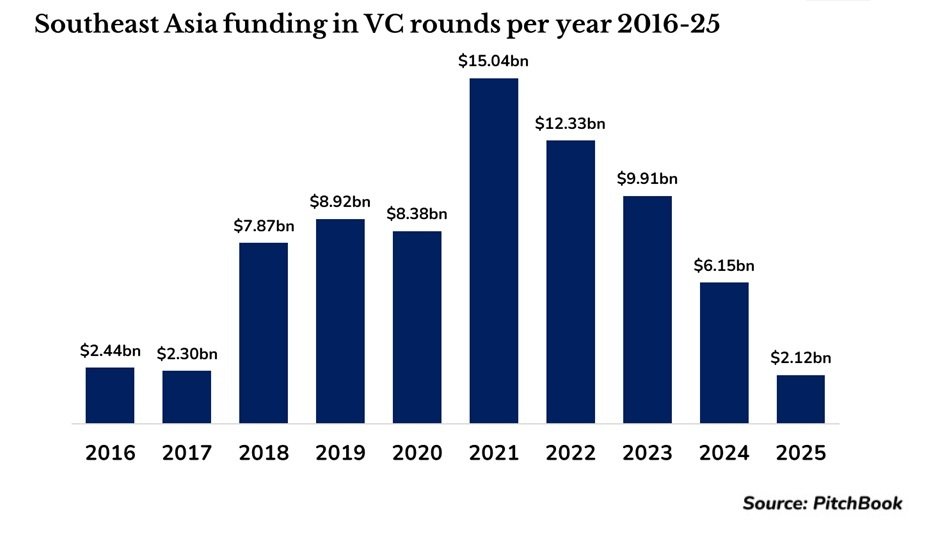
Startup ecosystems across Southeast Asia are contending with a tougher funding environment as investors become more selective, shift toward deep‑tech and AI themes and demand clearer paths to profitability.

The Philippines has emerged as one of Southeast Asia’s most active markets for energy transactions, drawing interest from regional utilities, global IPPs, infrastructure funds and private equity sponsors.
Deal activity in the Philippine energy sector has remained robust through 2024 and into 2025, as investors position for the country’s push to expand renewable capacity and modernize its power infrastructure.

Singapore Paincare Holdings swung to a net loss for the financial year ended 30 June 2025, highlighting the pressures facing niche medical service providers amid cost inflation and uneven patient volumes.

Private investors are deepening their focus on high‑margin specialty healthcare segments in Southeast Asia, drawn by resilient demand, ageing populations and rising lifestyle‑related diseases.
Vietnam’s logistics and hotel real estate markets are showing renewed momentum, supported by robust tourism recovery and rapid expansion in e‑commerce and manufacturing.
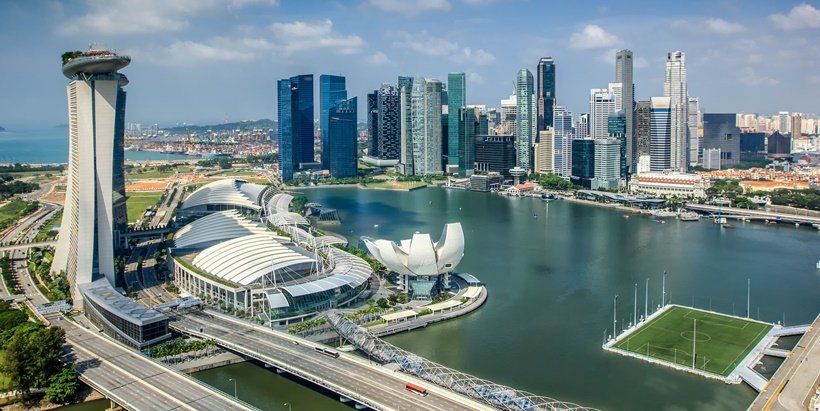
Real estate investment activity in Singapore has begun to pick up after a subdued period, helped by expectations of lower global interest rates and easing financing costs that are improving the appeal of income‑producing assets.

Thailand recorded an 82% surge in foreign direct investment approvals in the first nine months of 2025, driven largely by big‑ticket commitments in data centers, smart electronics and related tech infrastructure, according to recent official data

Mastercard has entered a strategic partnership with Grab to expand digital payments and financial inclusion for millions of users and small businesses across Southeast Asia, deepening collaboration between a global payments network and one of the region’s leading super‑apps.
Southeast Asia’s Q3 review flags shifting capital toward data centers, telecoms and high‑value manufacturing
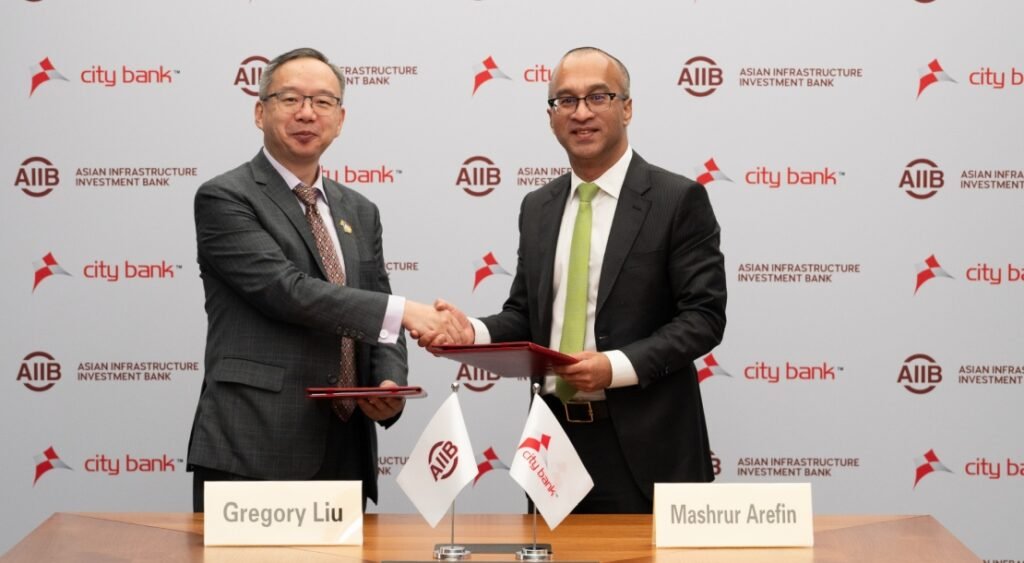
The Asian Infrastructure Investment Bank (AIIB) has approved a USD 75 million financing package to support sustainable infrastructure and green projects through City Bank in Bangladesh, reinforcing multilateral efforts to channel capital into climate‑aligned investments in South and Southeast Asia.

Banks across Southeast Asia are preparing for weaker loan growth and a more challenging operating environment as economic momentum moderates and trade‑related risks mount.
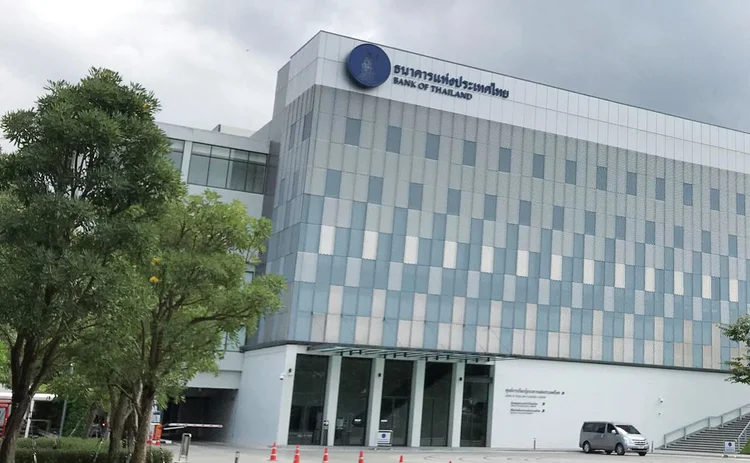
The Bank of Thailand (BoT) cut its benchmark policy rate by 25 basis points to 1.25% on Wednesday, stepping up monetary support as growth remains weaker than earlier forecasts and inflation stays subdued
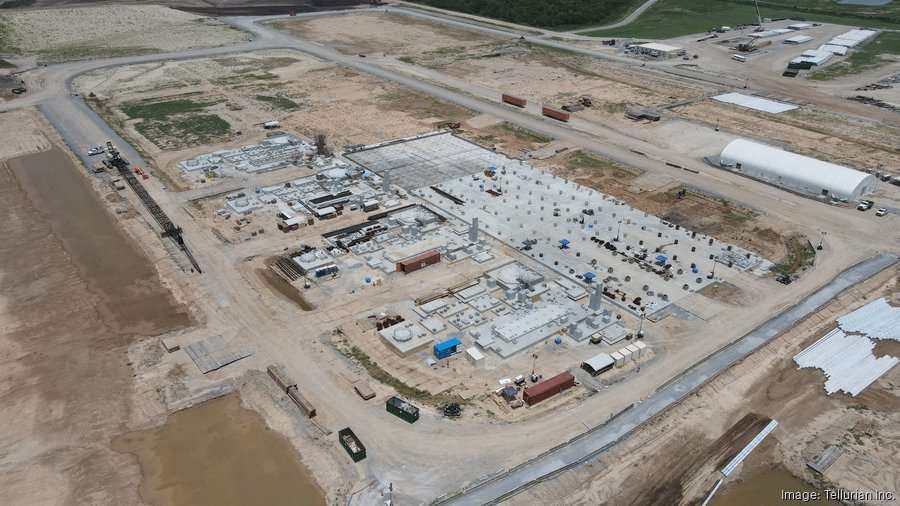
Australian energy company Woodside finalized the sale of a 10% interest in the Louisiana LNG export terminal and an 80% stake in the Driftwood Pipeline to US energy infrastructure firm Williams for $250 million. The deal supports Woodside’s capital recycling strategy, focusing on core upstream assets and expanding LNG export footprint. Williams gains long-term asset control and operational synergy in the Gulf Coast energy corridor. The transaction aligns with midstream market consolidation trends improving efficiency and shareholder value.
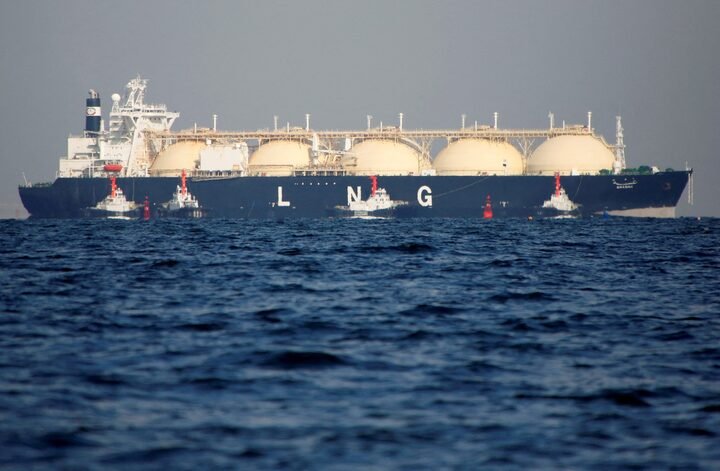
Asia’s LNG imports softened in 2025, falling below 2024 levels, while Europe’s demand surged significantly, up by over 16 million tons year-on-year. Data reveals Asia’s LNG imports stood at 22.84 million tons in October 2025, down from 24.39 million in October 2024. China notably reduced LNG purchases over the year. Conversely, Europe’s expansion in LNG imports comes as it diversifies energy sources away from Russia and boosts gas stockpiles ahead of winter. Analysts suggest Asia’s declining LNG appetite reflects policy shifts towards renewables and energy efficiency gains.

State-owned giants CNOOC, PetroChina, and Sinopec are set to lead a $470 billion investment program targeting major offshore and onshore oil and gas fields across China. The unprecedented spending spree aims to reduce China’s energy import dependency, increase domestic output, and bolster energy security amid global supply uncertainties. The government prioritizes leveraging advanced exploration technologies, boosting recovery rates, and expanding liquefied natural gas (LNG) infrastructure. This initiative aligns with China’s broader goals of energy transition while ensuring stable fossil fuel supply during the shift to renewables.

Mongolia’s oil production increased nearly 2% following AIM-listed Petro Matad bringing a second well online at its Oyut Ukhaa South Block in October. This boost reflects successful field development strategies and enhanced extraction technologies aimed at optimizing output. The company plans further drilling campaigns in the region to sustain growth and capitalize on rising domestic and export demand. Industry watchers see the development as a positive sign in Mongolia’s nascent upstream oil sector.

Asia Healthcare Holdings (AHH), backed by GIC and TPG, will invest INR 400 crore over five years to grow its nephrology and urology specialty hospital network from 7 to 20 locations. Focused on Tier 2 cities such as Patna and Bhubaneshwar, the expansion aims to elevate specialty care access beyond metropolitan centers. Flagship hospitals in Hyderabad and Chennai serve as models for integrated care with robust renal and urinary health services. AHH plans to enhance diagnostic capabilities, technology adoption, and specialist training in line with India’s rising burden of kidney disease.

The HIMSS25 Asia Pacific conference showcased increasing adoption of AI, digital health, and interoperability standards driving healthcare modernization in the region. Indian and South Korean systems emphasized foundational AI models for chronic diseases. Hospitals in Saudi Arabia and Hong Kong achieved Stage 7 HIMSS EMRAM certification, the gold standard in electronic medical records maturity. Telemedicine, robotic-assisted surgeries, and real-time biometrics enhance patient care with cost containment. Collaborative frameworks aim to streamline technology procurement and training.

Leading Asian universities have joined forces to address the health impacts of climate change through medical innovation and collaborative research. This initiative aims to engage youth and healthcare professionals in developing sustainable health models that mitigate climate-related disease burdens. A call to action at the 2025 International Conference urges increased investments in green health technologies and public health systems resilient to environmental stressors.

Asia is emerging as a global hub for comprehensive healthcare by blending traditional Chinese medicine (TCM) with biotechnology, regenerative medicine, and artificial intelligence. The “We Are The World” (WATW) Global Biohealth Summit held in Bangkok highlighted the need to integrate TCM with modern healthcare systems supported by AI and biotech innovation. Adrian Cheng, founder of Almad Group, stressed that acceptance within mainstream healthcare and insurance coverage is crucial for scaling these treatments globally. Delegates emphasized building a “Health Silk Road” to share knowledge and technologies across Asia and beyond, fostering inclusive healthcare accessible to all.

Knight Frank reported Asia-Pacific property markets achieved a quarterly investment volume record of $63.8 billion in Q3 2025, marking a 57% increase over the previous year. Commercial assets, including offices, retail, hospitality, and coworking spaces, accounted for nearly 80% of total investments. Investors are shifting to income-growth and active asset management strategies, favoring defensive sectors. Year-to-date activity reached 80% of 2024’s annual total, with expectations of crossing $195 billion in total annual investment, buoyed by urbanization and digital economy growth.

Commercial real estate investments in Asia-Pacific rose 23% year-on-year to a record $131 billion in 2024, signaling a robust recovery driven by industrial, office, and data center demand. However, the market faces structural shifts as investors favor operationally intensive assets. Data centers displaced logistics as preferred sectors due to digital infrastructure needs. Tenants increasingly demand integrated services and sustainability certifications. Analysts note declining passive investment interest, with fundraising for Asia-focused real estate funds down 53% over two years, highlighting a shift toward active asset management.

Global real estate investment firm Madison International Realty disclosed plans to start deploying capital into Asia’s secondary real estate markets in 2026, targeting untapped value opportunities. Founder Ron Dickerman characterized the current environment as “very intriguing” amid macroeconomic shifts. The firm aims to invest in multifamily, office, and industrial assets within mid-tier cities showing strong population and economic growth yet less exposure to global capital. The secondary market strategy reflects a maturing Asian real estate landscape where investors seek diversified risk-adjusted returns beyond major metropolitan hubs.
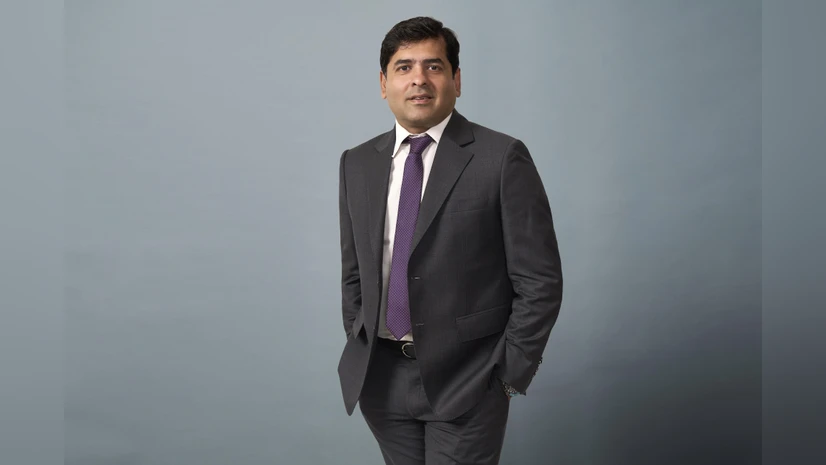
Private equity giant Blackstone has appointed Urvish Rambhia as CEO of Horizon Industrial Parks, overseeing the company’s industrial and logistics real estate platform in Mumbai and broader India. Rambhia brings two decades of experience in leasing, asset management, and development. Horizon Industrial Parks is expanding rapidly to meet e-commerce and supply chain needs amid India’s urbanization and digital economy growth. The company’s focus is on sustainable logistics hubs and integrated industrial ecosystems to boost efficiency and environmental performance, aligned with rising investor demand for operational excellence in industrial real estate.

Asian banking equities faced volatility amid global uncertainty, with markets reacting to slowed exports from China and cautious US Federal Reserve statements. Currency fluctuations and inflation outlook shape central bank policy decisions throughout the region. Equity performance varies with heightened tech stock sensitivity and investor repositioning. Strong capital buffers among Asian banks provide resilience, supporting credit supply amid challenging growth prospects.

Regional data centre provider Equinix continues connecting multi-cloud financial services hubs across Malaysia and Southeast Asia to support banking digital transformation. These interconnection hubs enable secure, low-latency data sharing and facilitate financial institutions’ adoption of AI, open banking, and blockchain technologies. Equinix’s network accelerates payments processing, data analytics, and compliance reporting, enhancing banking sector competitiveness.

Credit growth and confidence in the Philippines have slowed due to rising concerns about loan fraud, payment delinquencies, and economic uncertainties. Banks are increasing fraud risk management investment and tightening lending criteria across sectors. Despite challenges, digital lending platforms are expanding access for underserved segments, contributing to long-term financial inclusion. The central bank monitors credit quality to ensure systemic stability.
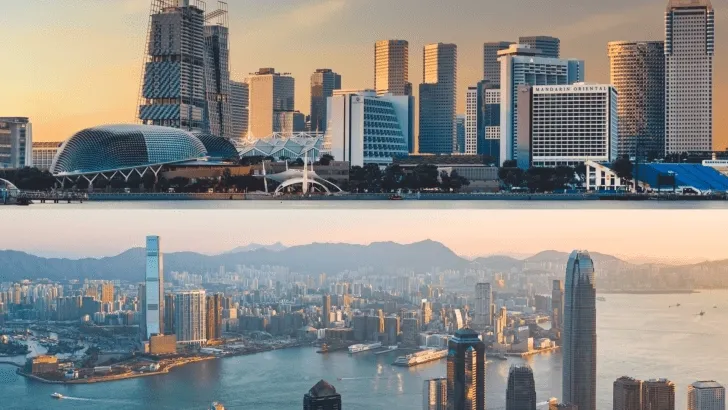
Hong Kong’s monetary authority is easing information-sharing among banks to strengthen anti-fraud capabilities, while Singapore’s OCBC plans additional capital distribution amid growing digital asset adoption. Both financial centers are fostering digital innovation, with Singapore seeing significant uptake in private market wealth products and digital wealth management. Hong Kong is preparing regulatory frameworks to encourage safe digital asset services while protecting investors. Collaboration between fintech and traditional banking players catalyzes regional growth.

DBS Bank has expanded “DBS Joy,” its generative AI co-pilot, to provide prompt, personalized support to corporate banking clients. Through AI-enhanced chatbot interactions, DBS Joy has improved customer satisfaction by 23%, handling routine queries and freeing human staff for complex tasks. The technology supports over 120,000 monthly chats and is planned to be rolled out across Southeast Asia. DBS’s AI deployment demonstrates a successful blend of automation and personalized banking, with a particular focus on empowering SMEs with digital financial services.

The Asian Development Bank (ADB) has approved $100 million to strengthen Sri Lanka’s macroeconomic resilience, fiscal governance, and digital economy transformation. The assistance focuses on budget transparency, digital payments infrastructure, and renewable energy scaling. It aims to restore investor confidence and economic stability as Sri Lanka navigates post-crisis recovery. The ADB concurrently invested in ReNew Energy projects to help decarbonize South Asia’s power generation, aligning with climate and development objectives.
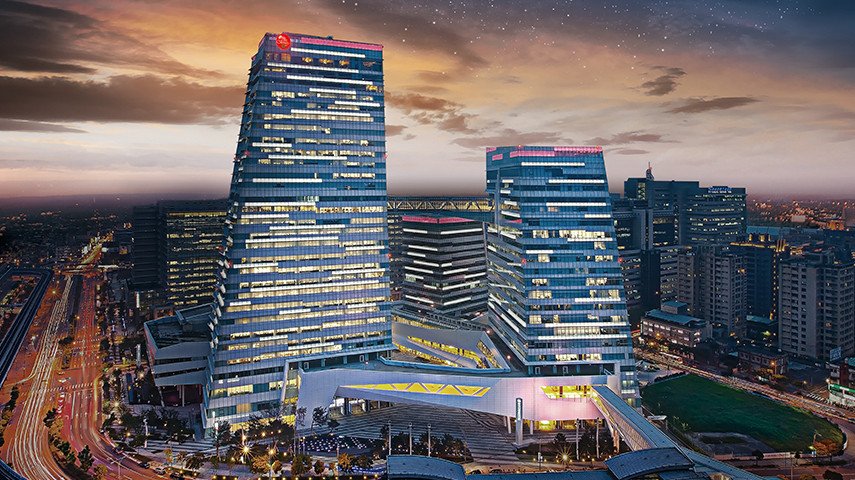
Taiwan’s CTBC Bank has achieved remarkable recognition, winning 14 awards from The Asian Banker for advanced AI-driven banking platforms, cybersecurity, and retail banking innovation. CTBC’s AI-powered credit decisioning, fraud detection, and customer personalization have set new standards in Taiwan. The bank’s zero-trust security architecture and use of biometrics enhance trust and compliance. Sustainability initiatives aligned with global development goals further distinguish CTBC. The awards showcase how leading Asian banks leverage technology and sustainability to drive customer engagement and operational efficiency.
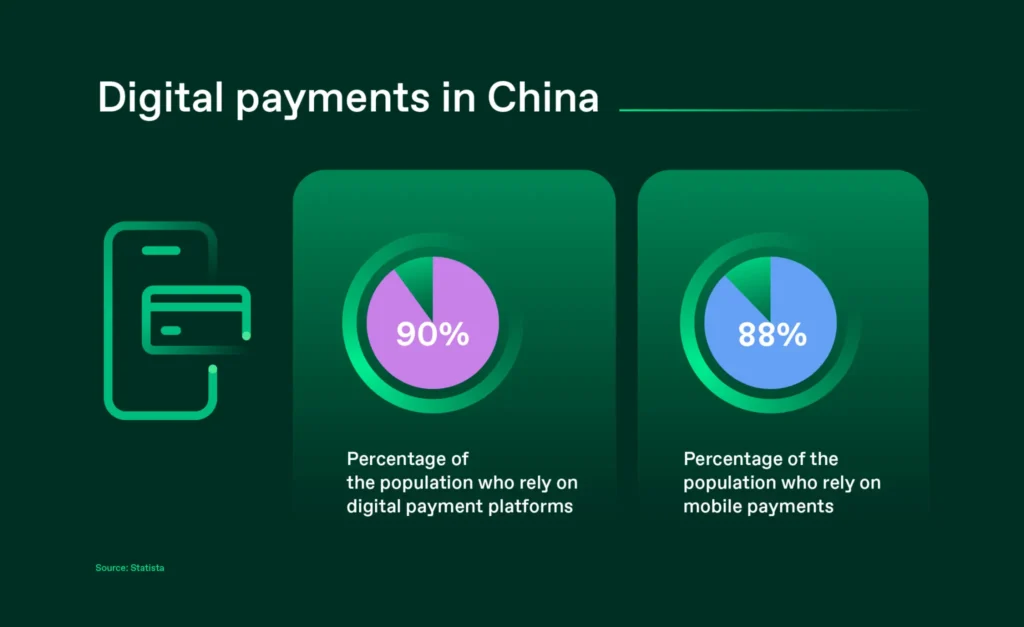
Asian banks are fast-tracking adoption of digital payment systems, including the rollout of the e-CNY merchant payment service by Hang Seng Bank and China Construction Bank in Hong Kong. The new service enables seamless payments using e-CNY wallets at over 100 merchants in the city. The Philippines, Singapore, and Malaysia are also accelerating instant payment adoption via platforms like PayNow and FAST, reducing cheque usage ahead of planned 2027 phaseouts. Despite enthusiasm, around 13% of Asian financial institutions remain uncertain about readiness timelines for supporting instant payments. Meanwhile, banks like Macquarie and OCBC continue to report strong capital positions and investor returns, balancing growth with risk management.