
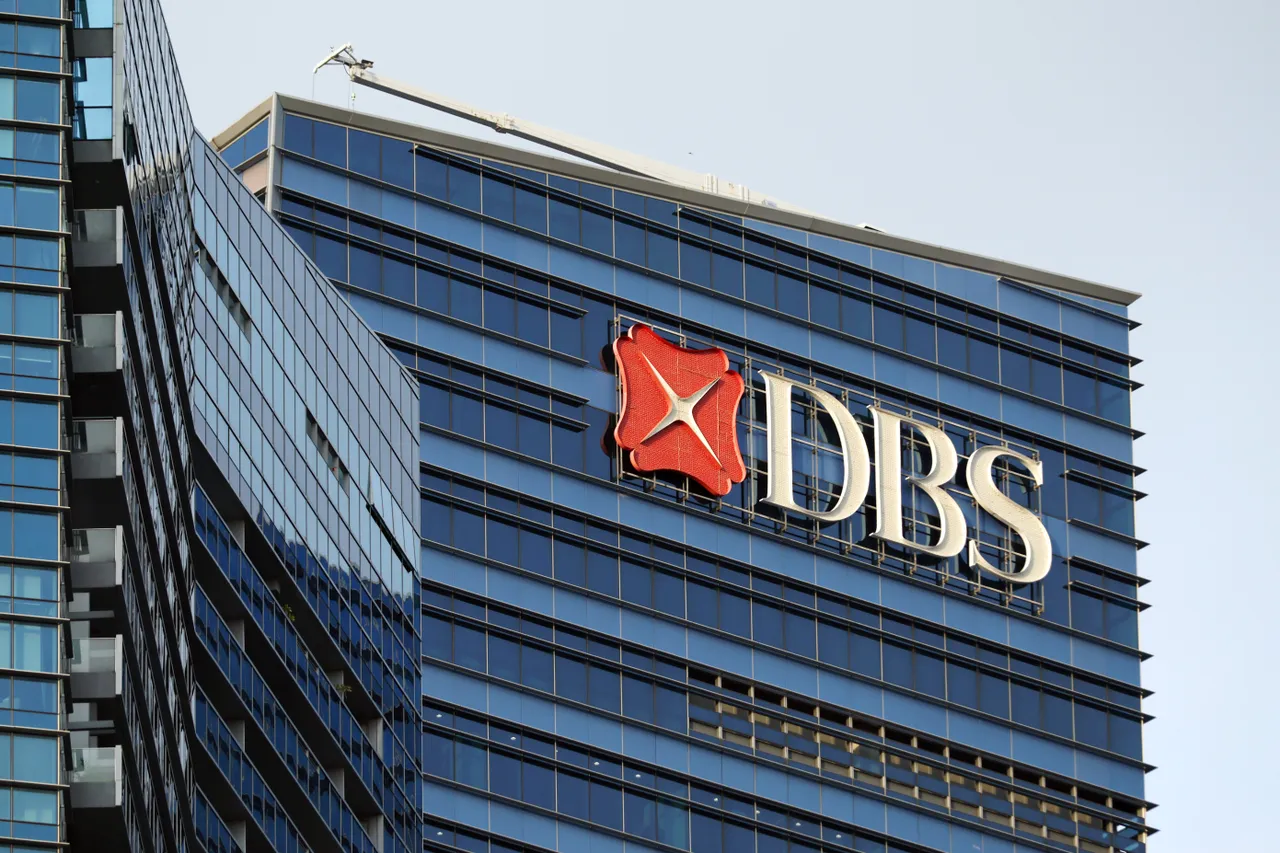
Singapore’s three largest banks are bracing for continued net interest margin (NIM) compression in 2026, though market leader DBS is better positioned than peers to weather the storm thanks to aggressive balance sheet hedging tactics. The divergent fortunes of Singapore’s banking giants reveal winners and losers emerging from a fundamental restructuring of regional finance, as traditional lending income shrinks while wealth management becomes the new battleground for banking profits across Southeast Asia.
DBS, OCBC, and UOB all reported declining net earnings in the first nine months of 2025, reflecting the relentless margin squeeze that has become the defining challenge for Singapore’s financial sector. The faster repricing of loans relative to funding costs compressed margins across the board, but impact varied significantly depending on balance sheet positioning and hedging strategies. OCBC experienced the sharpest pain, with net interest margin contracting by 29 basis points year-on-year over the first nine months, alongside a 6.1 percent decline in net interest income. By contrast, DBS proved the most resilient, recording a more modest nine-basis-point compression in net interest margin while delivering a 1.9 percent increase in net interest income.
The key differentiator lies in strategic balance sheet management. DBS has deployed effective hedging tactics through substantial fixed-rate asset holdings—approximately $200 billion in fixed-rate assets at favorable rates—which provide natural protection as the Singapore Overnight Rate Average (SORA) continues declining. Meanwhile, DBS maintained strong deposit inflows and cultivated a growing base of low-cost deposits, essential in an environment where funding costs have become the new battlefront. OCBC and UOB, with larger floating-rate loan books, face inherently higher vulnerability to ongoing NIM deterioration as the interest rate environment softens further.
Singapore authorities expect SORA to ease further in 2026, supported by ample domestic liquidity, a tight Singapore dollar, and a softening labour market that points to downside risks for US interest rates. However, having already posted a substantial year-to-date compression of approximately 184 basis points to near 1.2 percent, the runway for further SORA declines has narrowed significantly. Any Federal Reserve easing in 2026 may see SORA fall less than the broader US rate decline, limiting the repricing opportunities that once drove Singapore banking profitability.
The resilience of DBS reflects more than just hedging acumen. The bank’s proactive pass-through of lower funding costs—notably establishing a six-month fixed deposit rate of 0.8 percent—demonstrates management discipline in protecting returns. By contrast, OCBC and UOB must navigate higher structural NIM pressure as deposit rate floors compress and loan repricing accelerates. Industry analysts expect overall NIM compression for Singapore banks to moderate from the severe 2025 experience, but the tailwind has clearly shifted to headwind.
This NIM compression backdrop explains why Singapore’s banking sector is pivoting dramatically toward non-interest income, particularly wealth management. Both DBS and OCBC recorded surges in wealth management income of more than 30 percent during the first nine months of 2025, reflecting sustained client activity and robust investment product flows. Singapore’s safe-haven status, enhanced Monetary Authority frameworks for family offices and private wealth structures, and government initiatives like the Equity Market Development Programme are attracting fresh capital inflows from regional wealth centers. Clients are systematically reallocating from low-yielding deposits to structured investment products, creating a structural tailwind for assets under management and wealth fees.
For dividend investors, 2026 presents a bifurcated opportunity. DBS stands out with a projected forward yield of 6 percent over the next two years, backed by a fixed and transparent dividend framework that commits to disciplined capital returns. The bank’s superior earnings resilience translates to more predictable shareholder distributions. OCBC and UOB’s earnings-linked dividend payouts are inherently more volatile, particularly for UOB, which faces elevated provisioning requirements linked to pre-emptive allowances for commercial real estate exposures. UOB’s third-quarter credit costs surged to 134 basis points from just 36 basis points a year earlier, reflecting the bank’s conservative posture on problem loans emerging in US and Greater China portfolios.
All three banks maintain solid credit quality fundamentals. Non-performing loan ratios remained stable in the third quarter across all three institutions, with DBS and OCBC maintaining robust non-performing asset coverage ratios of 139 and 160 percent respectively. This fortress-like balance sheet positioning suggests that fundamental asset quality remains sound despite macro uncertainty. UOB’s lower 100 percent NPA coverage ratio and higher specific credit costs indicate the bank remains in catch-up mode following aggressive provisioning through 2025.
Looking forward, Singapore’s banking sector is positioned for steady-state rather than exciting earnings growth in 2026. UOB’s earnings should rebound as provisioning normalizes, while DBS and OCBC are likely to deliver moderate, steady growth with margin compression moderating from 2025 extremes. The differentiated performance reflects years of strategic positioning, with DBS’s early hedging decisions now paying clear dividends as the interest rate cycle turns. For institutional investors and wealth managers overseeing Singapore banking allocations, portfolio construction should reflect DBS’s clearer earnings visibility versus the more defensive positioning warranted for OCBC and UOB through the margin compression cycle of 2026.