
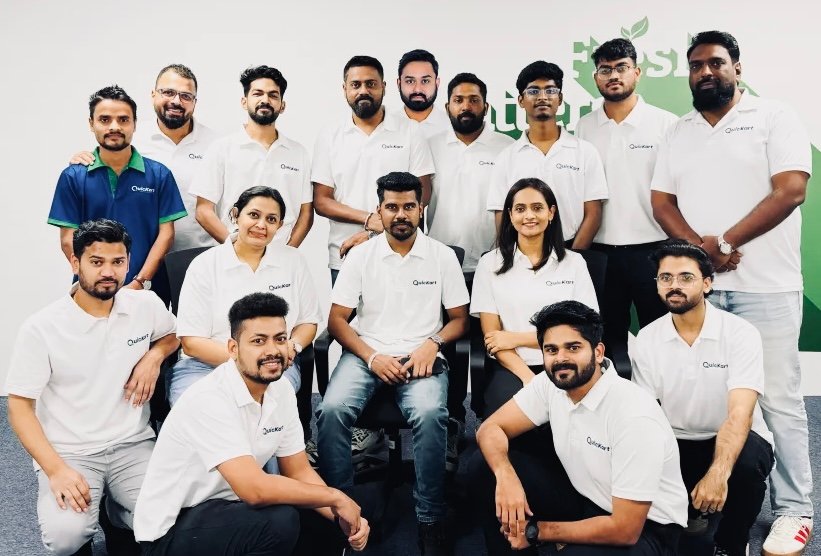
QuicKart Secures $1.5M Seed Fueling UAE Farm-to-Table Revolution
QuicKart raises US$1.5M seed to scale hyperlocal produce delivery serving 2.8M urban consumers.
QuicKart raises US$1.5M seed to scale hyperlocal produce delivery serving 2.8M urban consumers.

Luma AI opens Riyadh office partnering Publicis Groupe Middle East to embed multimodal AI in MENA advertising.

Kuwait Reinsurance reports KD 28M quarterly profits driving annual guidance upward.

Tawuniya secures SAR 2.8B health contracts driving record profitability across employee schemes.

MedGulf absorbs Buruj creating SAR 1.38bn insurance giant serving diverse Saudi market segments.

PureHealth launches state-of-the-art AI diagnostic center serving 9.2M UAE residents with genomic sequencing.

Dubai Health signs landmark MoU with DNDi at WHX launching first regional neglected diseases collaboration.

PayMint launches Meeza prepaid cards in partnership with ADIB-Egypt across merchant network.

Khazna raises US$16M pre-Series B to secure digital banking license and enter Saudi Arabia.

SafeBoda scales motorcycle ambulance service reaching 68% of Uganda’s urban maternal cases.

mPharma raises US$150M Series D to deploy AI-driven pharmaceutical supply chain across Africa.

Flutterwave acquires Mono in all-stock deal valued $25-40M, creating Africa’s first YC-to-YC fintech exit.
Nubank hits 120 million customers across Brazil, Mexico, Colombia driving unicorn re-rating.

Deloitte warns US banks face defining financial crime battle requiring tech-driven defenses amid record compliance costs.
European Banking Federation urges immediate regulatory simplification to unlock EU banking competitiveness.
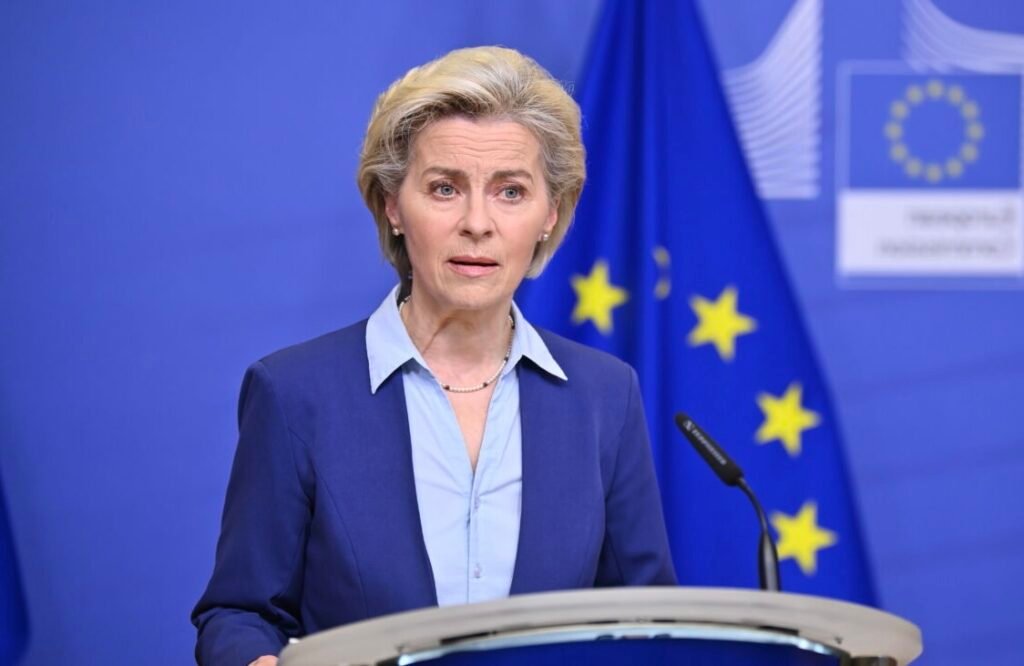
European Commission launches consultation assessing EU banking competitiveness for Q3 2026 report.
MCB Group highlights continental growth potential despite persistent funding gaps and policy divergence.
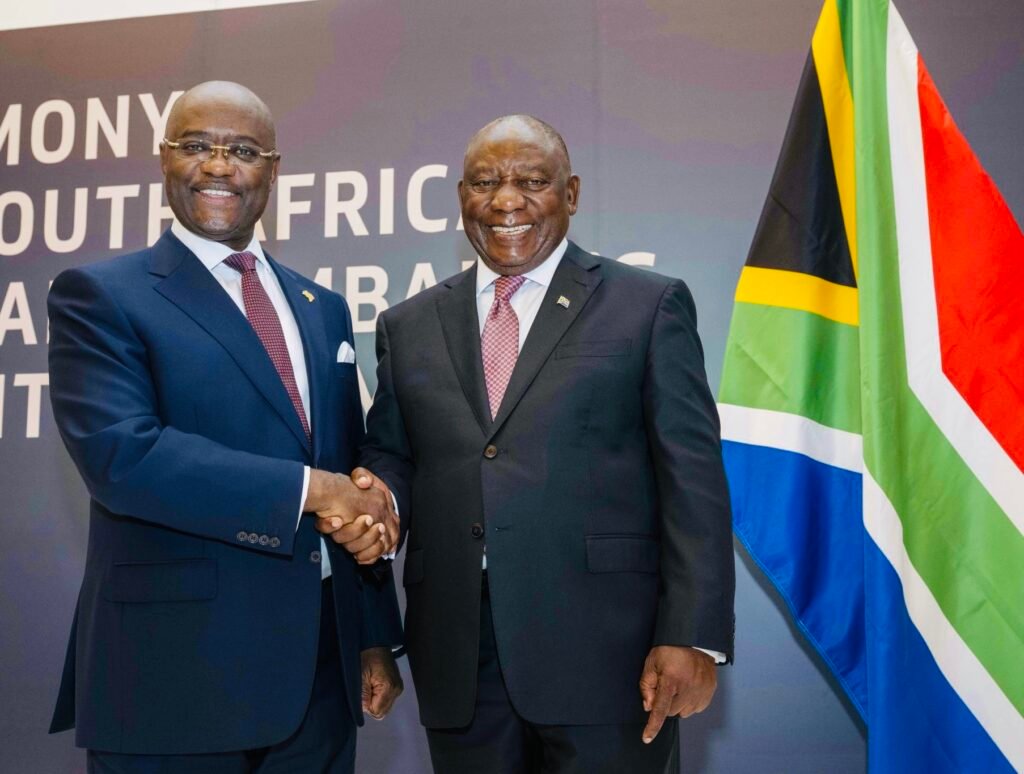
Afreximbank prepares comprehensive $8 billion package supporting South Africa’s AfCFTA integration.

Pet care startup Supertails raises $30 million in Series B round to scale omnichannel services across India.

Klook raises S$120M Series F to scale experiential travel platform serving adventure-focused millennials.

Traveloka launches comprehensive Bali agritourism platform targeting sustainable rural escapes amid overtourism concerns.

Enerzolve raises US$5.1M seed to scale energy grid management and EV infrastructure tech.
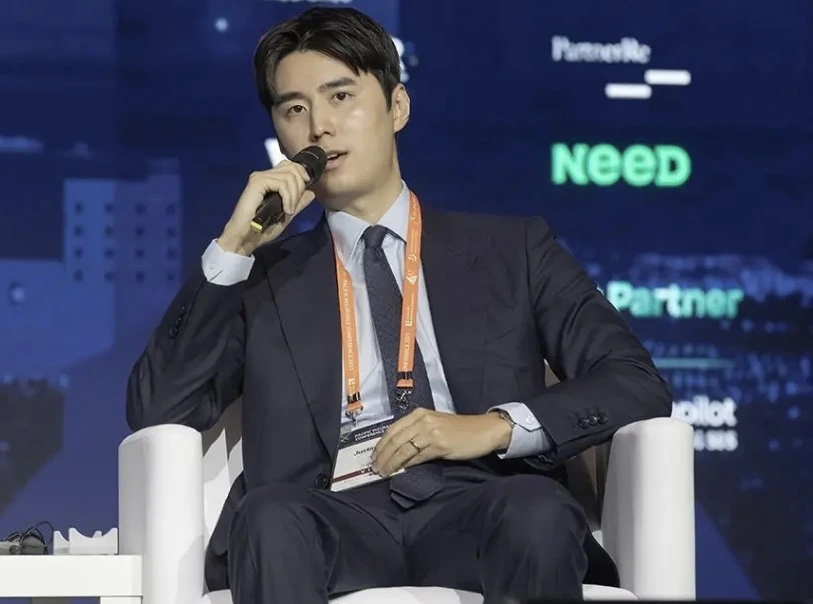
Hupo secures US$15M funding to scale AI sales performance platform across financial services.

Singapore-based Level3AI raises US$13M seed led by Lightspeed to expand enterprise AI customer engagement platform.

Peak3 powers Lazada’s insurance marketplace serving 280M shoppers across six markets.

SEADRIF parametric mechanism activates rapid claims following Mekong floods impacting 1.2M.
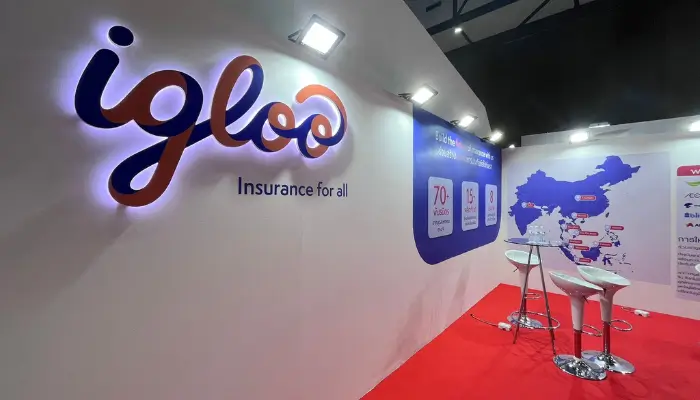
Igloo parametric products integrate into e-commerce protecting 4.2M merchants regionally.

Chubb Insurance Malaysia files prospectus for landmark Bursa listing amid regional IPO surge.

BelMoney partners regional APMs enabling instant settlements across ASEAN trade corridors.

MannyPay disrupts Western Union dominance through OFW-focused financial services.

Airwallex accelerates Jakarta-Manila expansion serving 120,000 SEA enterprises.

Grab accelerates multi-billion fintech expansion integrating financial services into superapp ecosystem.

Composable banking reshapes underserved segments through API-driven enterprise partnerships.
Bank of Thailand flags eroding edge urging banking reforms amid 2.5% policy stance.

DBS hedges margin erosion better than OCBC-UOB while lifting Q4 payout.
Indian Bank’s board approves Southeast Asia expansion targeting RM15 billion diaspora business.

Grifols activates full plasma processing capability ahead of 2026 commercial launch.
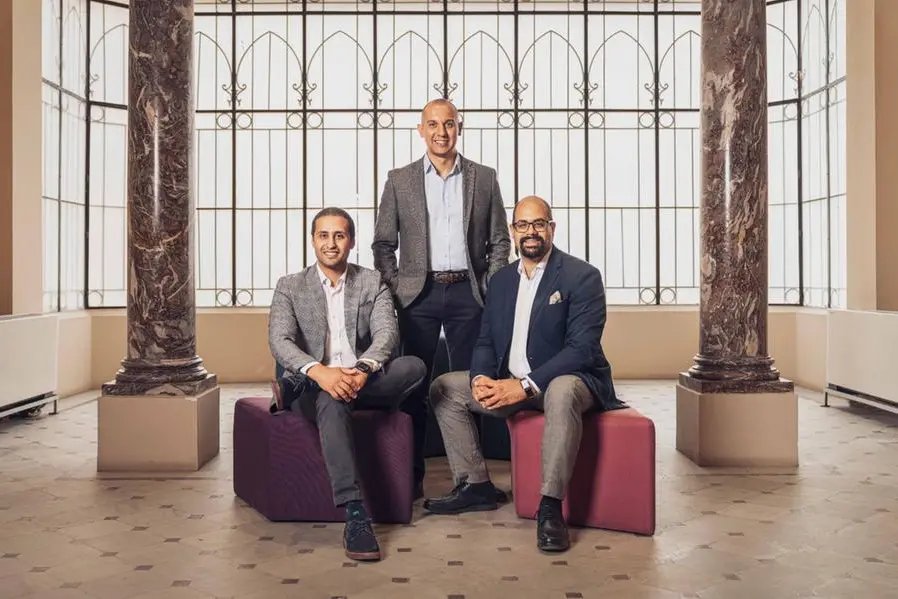
SehaTech transforms premiums and claims via decentralized ledgers, drawing Hub71 investment.

Jamjoom signs R&D cooperation agreement targeting advanced ophthalmic treatments.

Universal Health Insurance approves landmark governance measures to accelerate coverage.

Adenia Partners acquires controlling stake in Parkville Pharmaceuticals, targeting MENA expansion.

Gulf AI ventures secure massive capital injections, fueling innovation across UAE and Qatar ecosystems.

FRA grants pioneering derivatives approval, spurring EGX’s AI-driven infrastructure upgrades.

Pasifik hits half-billion lira sales, expanding SaaS platforms across Gulf and Egypt markets.
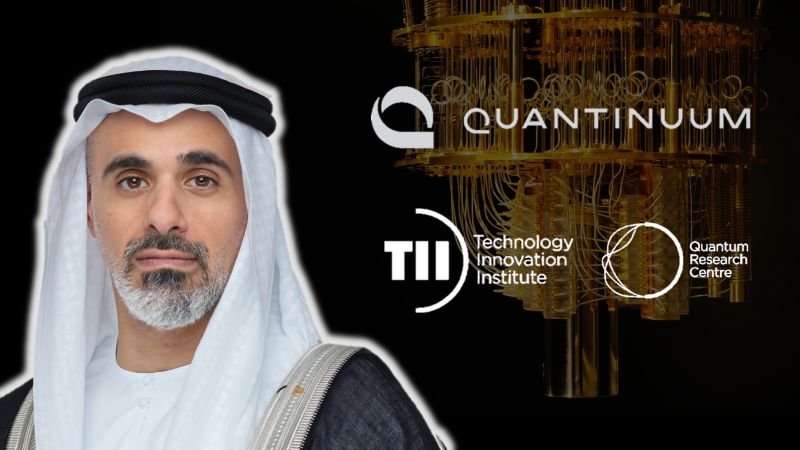
Technology Innovation Institute teams with Quantinuum for logistics algorithms on trapped-ion tech.

Sovereign funds back Mastiska’s push to design UAE-made chips for AI and defense.

Aramco and Pasqal unveil Saudi Arabia’s pioneering 200-qubit quantum system for energy breakthroughs.
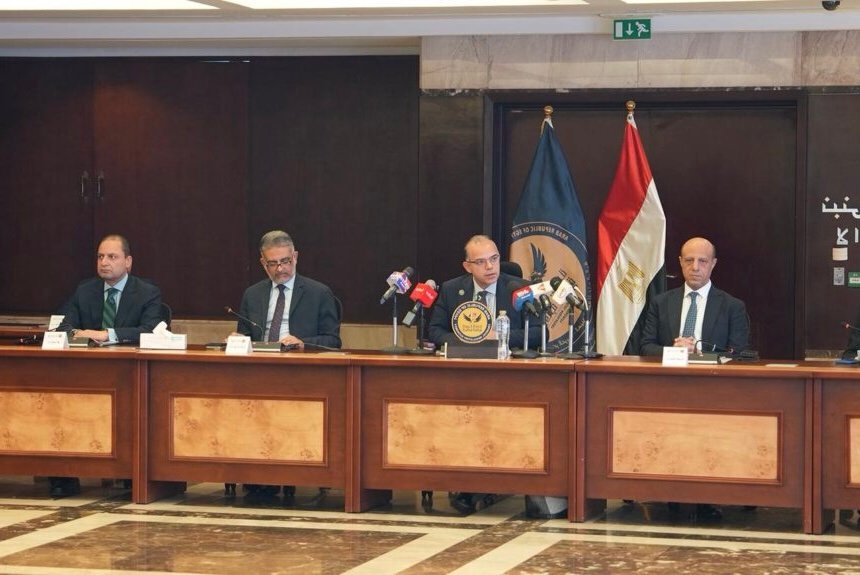
FRA’s overhaul adds nearly 300,000 accounts, overwhelming apps amid EGX record highs.
PwC resumes pitches to Saudi PIF following one-year suspension, targeting advisory and brokerage mandates.
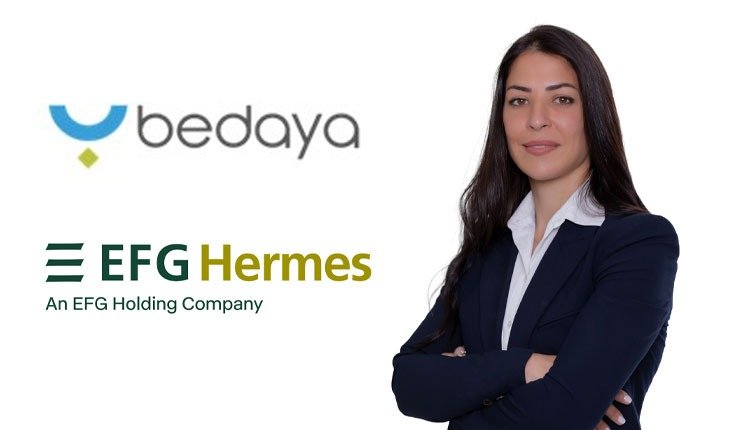
EFG Hermes advises Bedaya on record mortgage-backed securities issuance amid housing boom.
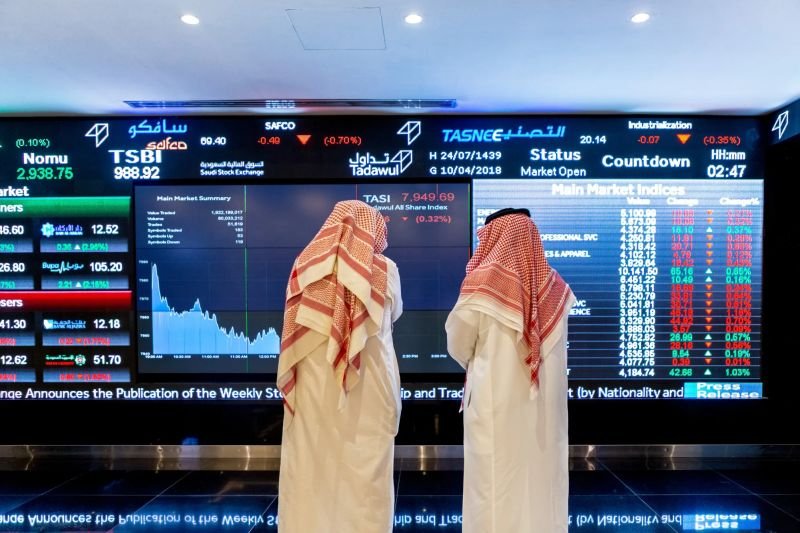
Saudi Arabia opens Tadawul to all foreigners from February 1st , unlocking direct equity trades via local brokers.

Casino firms chase entertainment revenue amid junket credit curbs.
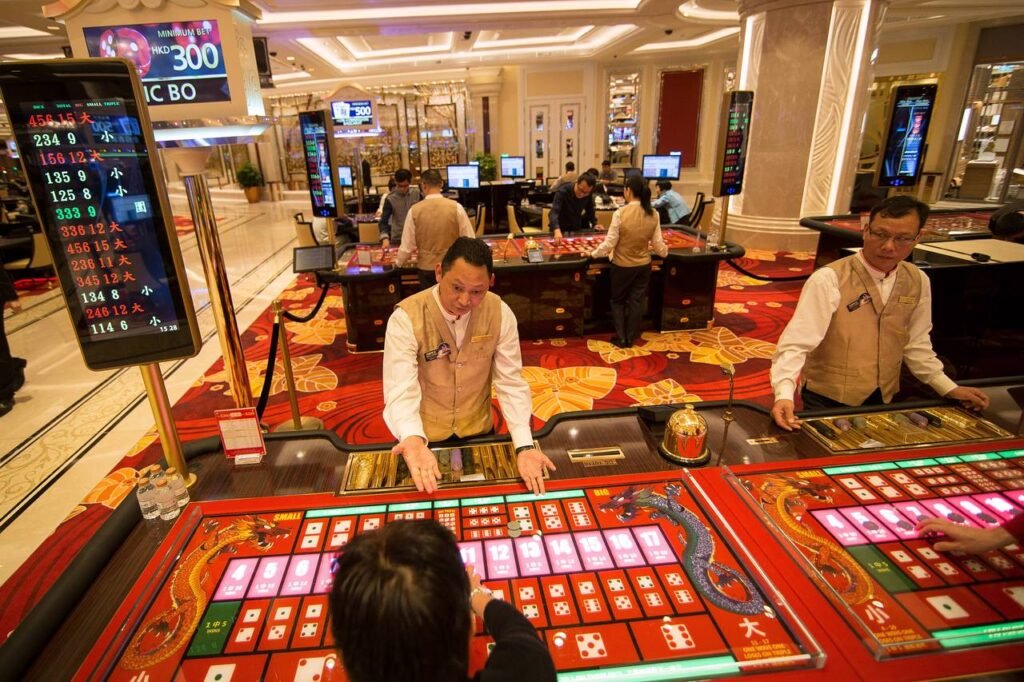
Regulators extend junket limits amid slowing high-roller action.

Tech firms push AI and apps to capture Asia-Pacific’s booming virtual care sector.

Major trade event returns to spotlight Thailand’s medical tourism edge amid regional growth.

Aether Fuels boosts sustainable jet fuel drive with fresh capital.

NANO Nuclear Energy strikes key deal to deploy reactors across Asia.

Banking net foreign assets reach $24 billion, paving IMF deal path.

Egypt banks see local liquidity climb to EGP 13.85 trillion in November 2025.
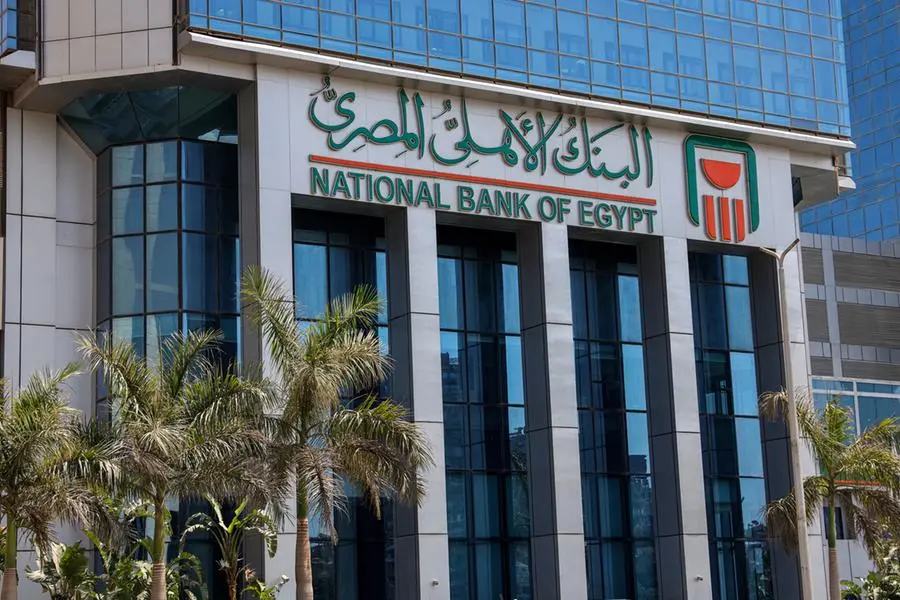
National Bank of Egypt extends EGP 3 billion short-term financing to Valu fintech.
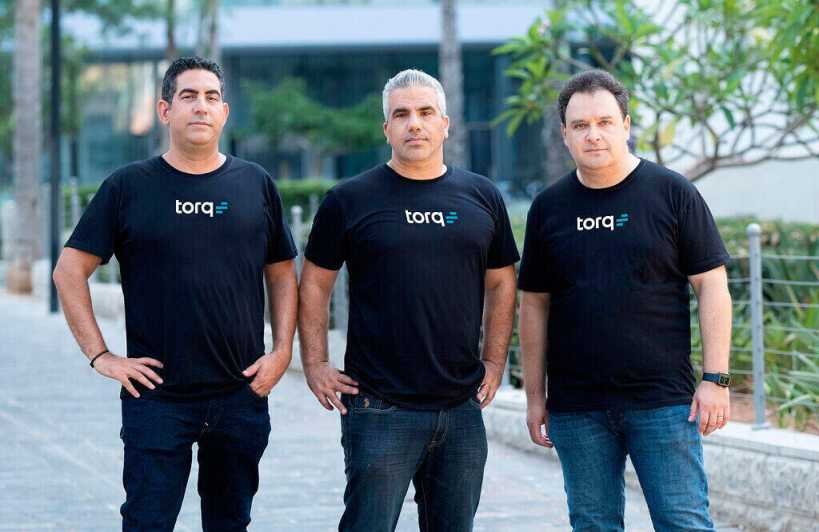
Torq scoops $140 million in Series C funding, valuing the no-code cybersecurity platform at $1.2 billion unicorn status.

Merak Capital pumps SAR 203 million into DSShield to build national cybersecurity platform amid Kingdom’s digital boom.

Saudi consultancies integrate generative AI for strategy and operations, doubling productivity as Kingdom accelerates diversification.

Raythink debuts edge AI cameras and predictive analytics at Intersec, targeting smart city threats with real-time response.
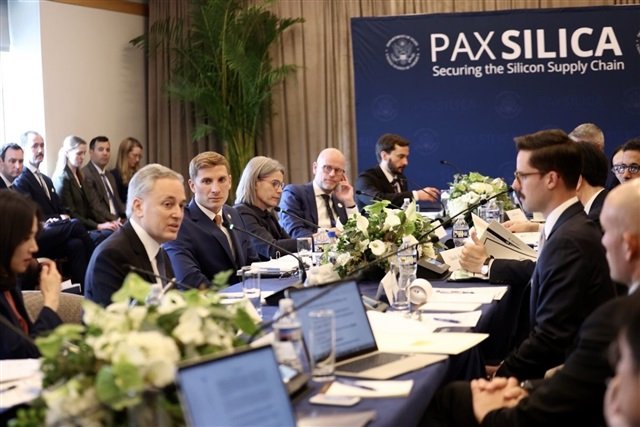
Qatar and UAE commit to Pax Silica alliance, strengthening AI chips, semiconductors, and critical minerals supply chains with US partners.

Dubai’s property market hits Dh680 billion in 2025 deals, setting stage for tokenisation wave in 2026 luxury sales.

New “Saudi Properties” digital platform streamlines real estate transactions as foreign ownership laws open doors for investors.
Dar Global partners with Trump Organization on Trump Plaza Jeddah and Wadi Safar projects worth $10 billion to redefine luxury living.

First Abu Dhabi Bank teams up with T. Rowe Price to offer customized investment solutions for GCC wealth clients.

Emirates NBD secures $700 million seven-year term loan from Asian lenders to support expansion and diversify funding sources.

Bank of Palestine gains in-principle approval for full banking license in Abu Dhabi, targeting global Palestinian diaspora with deposit and investment services.

Consumer goods group elevates new leader to align culture and talent with growth in Asia

New HR chief tasked with guiding PropertyGuru’s talent strategy across multiple Southeast Asian markets

New Yinson Greentech chief focuses on EV, charging, and clean power across ASEAN.

New private banking chief bets on Asia’s millionaires and family offices for growth

New Ogilvy Indonesia chief tasked with blending creativity, data, and local nuance for clients.

New ASEAN chief aims to turn Salesforce into the default AI co-pilot for regional enterprises

CuePilot AI raises pre-seed to bring interactive learning to young kids regionally.

Chinese beverage giants have planted over 6,100 outlets across Southeast Asia, turning urban streets into battlegrounds for affordable sips and premium brews.
HashKey Capital hits first close on $250M fund targeting blockchain in volatile markets.

Thailand’s MEDEZE named top stem cell firm, advancing trials across Southeast Asia.

Turion Labs launches Singapore base to fuel Southeast Asia’s biotech innovations.

DeepMind’s new Singapore hub advances AI tailored to Asia-Pacific languages and cultures.
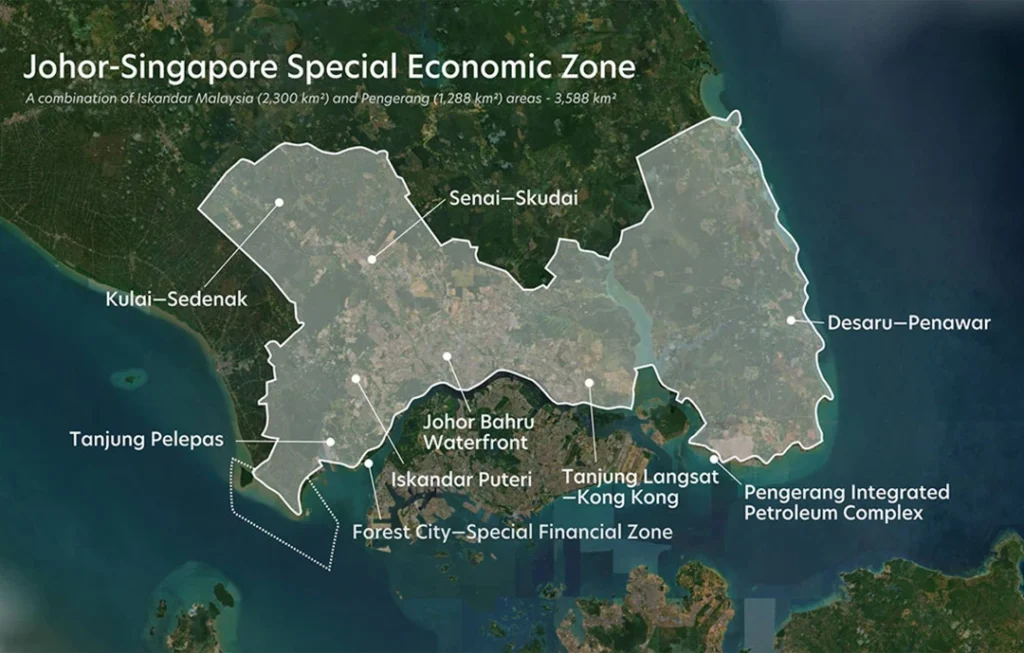
Johor-Singapore zone eyes renewable surge with power exports via Enegem platform.

Philippines secures $15 billion Masdar pact for 1GW renewables to cut coal dependency.

Kuala Lumpur retail braces for 1.27 million sq ft new space in 2026. Tourism push and resilient jobs to counter rising vacancy risks.

Bangkok condo market heats up with eight new projects launching by end-2026. Pre-sales hit 72% average as buyers eye value amid promotions.

Neighboring nations unite to fortify defenses as cyber-attacks target financial hubs.

Buy-now-pay-later firms thrive as Southeast Asia’s consumers demand flexible spending options.
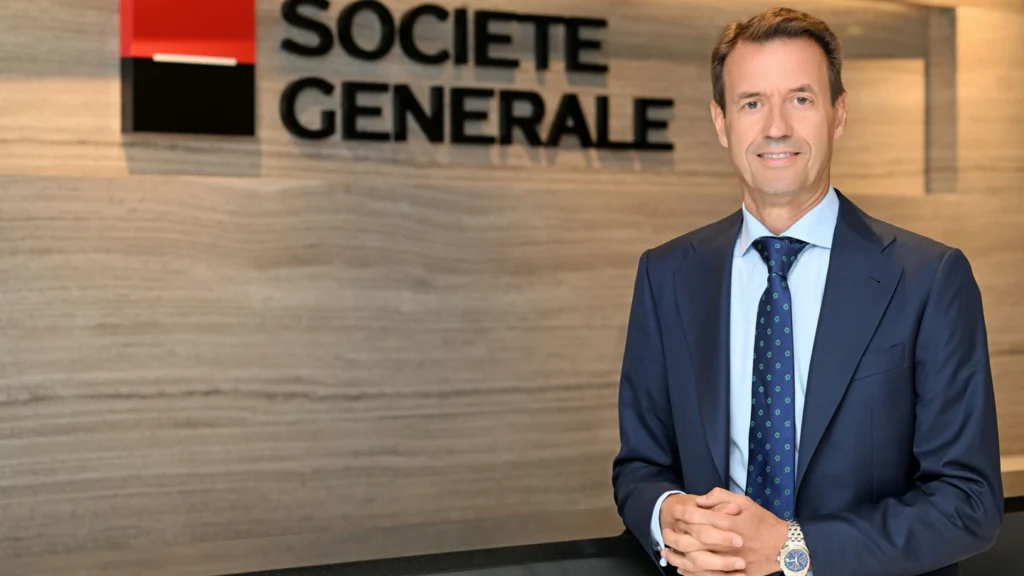
Southeast Asia’s banking scene heats up as global players sharpen regional strategies.

Middle East hotels face unprecedented demand for New Year 2026 celebrations, with top Dubai properties commanding $9,000 per night and Riyadh expecting 20 million visitors

The UAE capped 2025 with landmark AI achievements, including G42’s global expansions and high-level discussions between Sheikh Mohamed bin Zayed and Elon Musk

UAE and Saudi Arabia’s fast-moving consumer goods (FMCG) markets expanded 7% and 3.3% respectively in 2025

An NYU Abu Dhabi researcher received the 2025 L’Oréal–UNESCO For Women in Science Middle East Award on December 14 for pioneering work on nuclear architecture, epigenetics, and RNA therapy
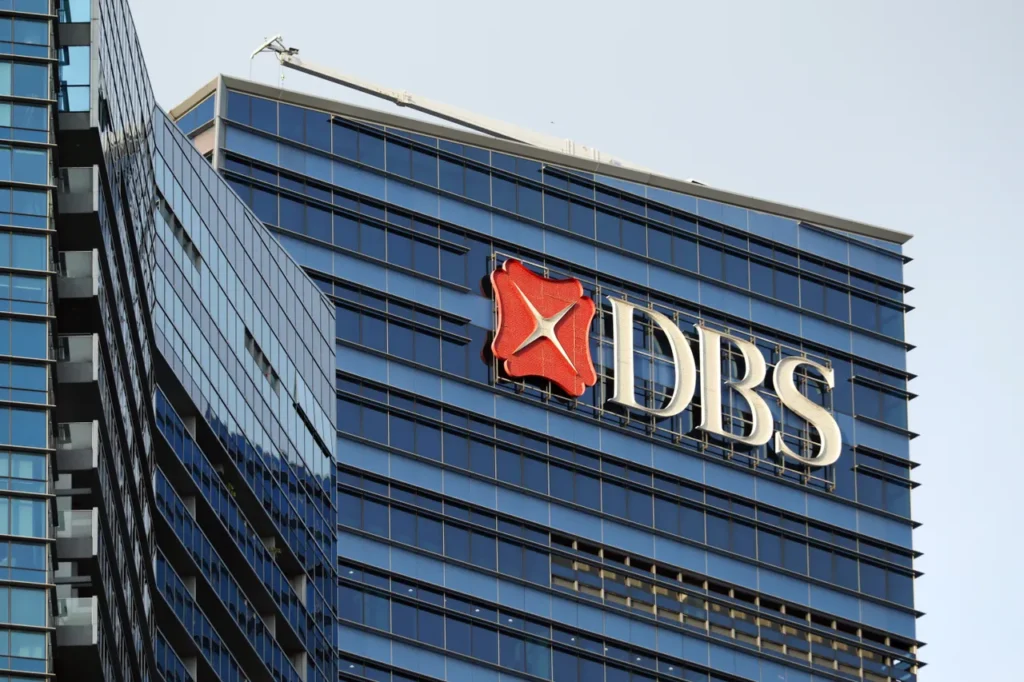
Singapore’s banking trio confronts net interest margin compression. DBS hedging strategy positions it ahead of OCBC, UOB in 2026 earnings race.

Dammam recorded 3,000 residential transactions worth SAR 3.2 billion in Q3 2025, outpacing Riyadh with 28% year-on-year growth

Dubai’s property market shattered records in 2025, clocking AED 624 billion in total sales through November

Energy investors in Africa and Latin America face rising regulatory and geopolitical risks that could weigh on long‑term returns, according to recent analyses by policy institutes and market researchers.

Venezuela’s oil sector is undergoing a cautious revival, led by US energy major Chevron under special licenses that have allowed it to expand operations despite broader sanctions on the government in Caracas.

Startup founders in Latin America are doubling down on AI‑enabled fintech and ecommerce, even as higher interest rates and tighter funding conditions reshape the region’s venture landscape.

Africa’s startup ecosystem is entering a new phase in 2025, with founders and investors increasingly focused on sectors that tackle core infrastructure gaps in health, climate and finance.

Companies in Europe and the United States are moving from AI experimentation to large‑scale deployment, as new regulatory frameworks and industry guidelines clarify expectations for responsible use

Latin American countries are stepping up investment in artificial intelligence, targeting healthcare, public services and financial inclusion as priority areas for deployment.
The global travel industry is entering 2026 with surprisingly resilient demand, even as higher interest rates and tighter lending standards squeeze hotel and resort development pipelines.

Healthtech startups across Africa are rapidly becoming essential infrastructure for diagnostics, telemedicine and pharmaceutical distribution

Latin American countries are leaning heavily on digital health and telemedicine to extend medical services to underserved populations

America’s largest technology companies are preparing a new wave of investment in artificial intelligence, cloud infrastructure and data centres ahead of 2026
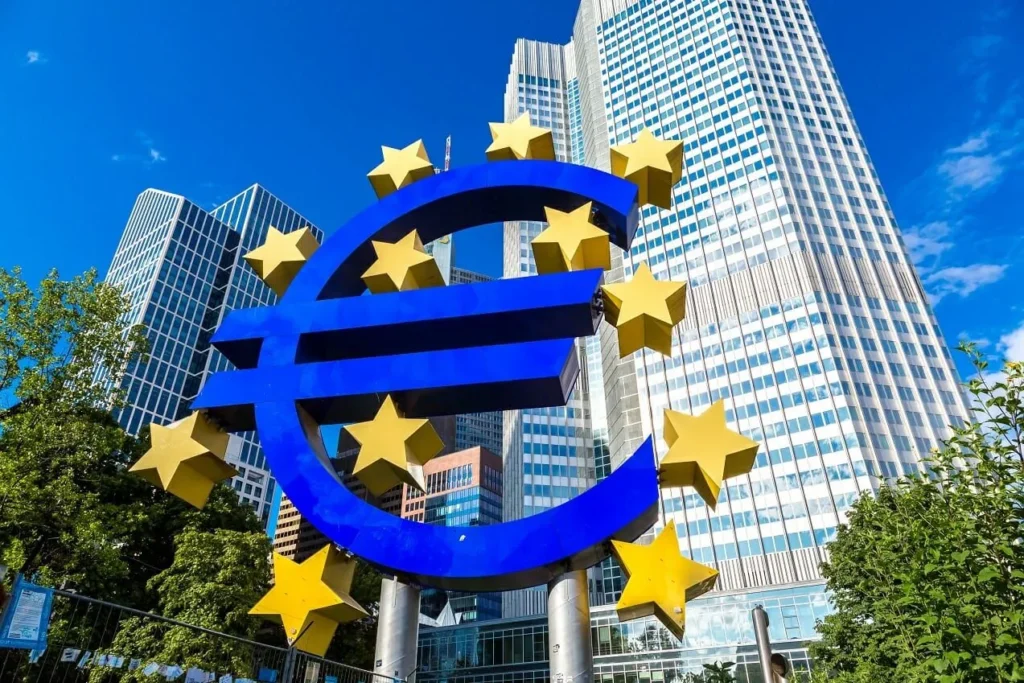
Europe’s technology sector is betting heavily on artificial intelligence and cloud computing to drive growth in 2026, even as the broader economy struggles with sluggish demand and higher‑for‑longer interest rates.

Property developers in emerging markets are confronting a tougher funding environment as higher global interest rates and a strong US dollar raise borrowing costs and narrow access to international capital

Commercial real estate markets in the United States and Europe remain under heavy pressure as higher interest rates, tighter lending standards and changing space needs keep investors cautious and transaction volumes subdued

Global banks are heading into 2026 preparing for a tougher credit environment and weaker profitability, according to McKinsey’s latest Global Banking Annual Review.

Hopes for a rapid wave of interest‑rate cuts across advanced economies are fading as major central banks signal that the latest easing cycle is nearing its limits and that policy may need to stay restrictive well into 2026. After spending much of 2025 lowering borrowing costs to cushion growth, officials at the US Federal Reserve, European Central Bank (ECB) and Bank of England (BoE) are now emphasizing persistent inflation risks, stronger‑than‑expected activity and the need for patience before contemplating any further moves. Investors went into the final stretch of the year pricing in a relatively benign “soft landing” and a series of gradual cuts in 2026, but that narrative has been challenged by data showing resilient labor markets and services inflation that remains above target in many advanced economies. A recent analysis described the global rate backdrop as “suddenly a lot less benign”, warning that volatility in 2026 could exceed what markets had bargained for if policymakers are forced back toward a tightening bias. While the Fed delivered another widely expected cut in December, futures markets now show fewer reductions ahead and rising odds that the US central bank could pause or even reverse course if price pressures re‑accelerate. In Europe, the ECB has slowed its easing campaign and is explicitly linking future steps to the trajectory of core inflation, which has proven sticky despite weaker manufacturing and trade. Officials have cautioned that the Governing Council cannot assume inflation will glide back to target without further policy restraint, particularly given wage settlements and energy‑related uncertainties. The Bank of England, facing UK inflation that remains above the 2% goal and a politically sensitive cost‑of‑living backdrop, has similarly signaled that it is in no rush to cut further after a rapid series of reductions earlier in the year. Outside the transatlantic core, markets have swung sharply in recent weeks as central banks in Canada and Australia moved from an expected easing path to a stance where modest hikes are now seen as more likely in 2026. Analysts note that this pivot underlines how unusual the recent rate‑cutting cycle has been, with several major banks easing aggressively despite the absence of a formal recession. That has left policymakers juggling conflicting signals: on one hand, the lagged impact of earlier tightening and geopolitical risks; on the other, still‑firm demand and the risk that premature easing could entrench inflation. For households and companies across the US, UK and Europe, the shift in tone means borrowing costs for mortgages, business loans and credit lines are likely to stay elevated relative to pre‑pandemic norms. Higher rates are weighing particularly hard on interest‑sensitive sectors such as real estate and leveraged finance, with several research houses warning that refinancing risks in 2026 will be a key stress point for banks and capital markets. At the same time, savers continue to benefit from higher deposit and money‑market yields, though banks are already signaling that the most generous offers may not last if funding conditions tighten further. Strategists say the new environment will reward selectivity and risk management more than the broad “everything rally” that followed earlier easing. Equity markets could face more frequent bouts of volatility as investors reassess earnings assumptions under a higher‑for‑longer rates regime, while bond markets are likely to see greater dispersion between countries seen as credible inflation fighters and those facing fiscal or political strains. For policymakers, the challenge in 2026 will be to communicate a credible path that anchors expectations without over‑promising on cuts that the data may not justify.
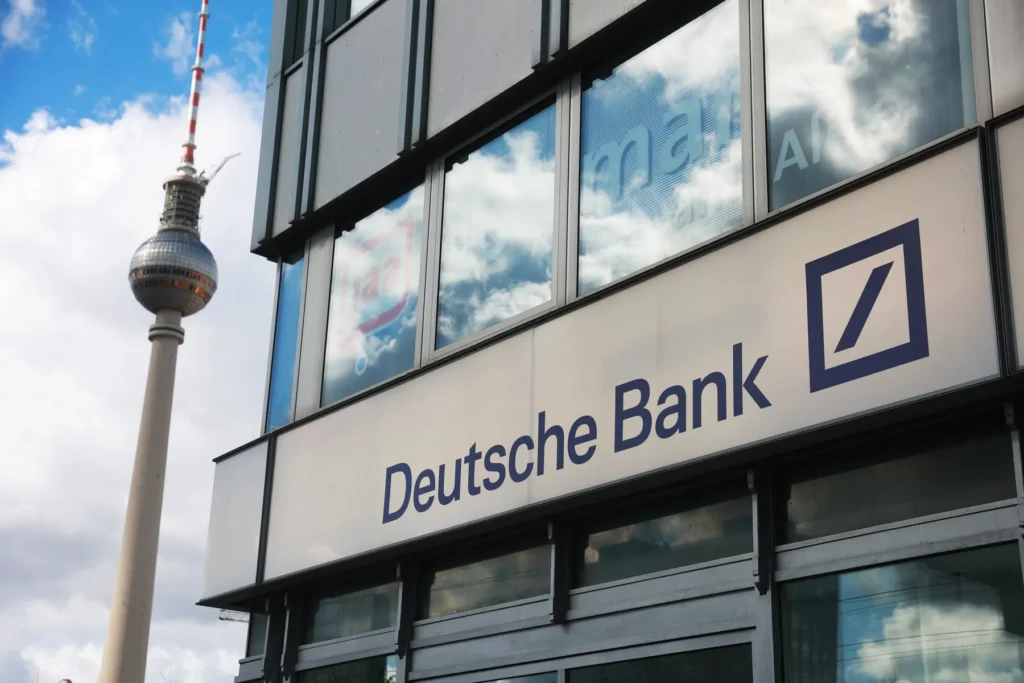
Deutsche Bank is on the verge of finalizing a significant €1 billion synthetic risk transfer (SRT) transaction with the European Investment Fund, marking a major step in risk management and capital optimization for one of Europe’s largest financial institutions. The SRT deal is anticipated to allow Deutsche Bank to free up capital and better manage its credit exposure, a move that bolsters resilience in a fluctuating global economy. The European Investment Fund will assume a slice of risk from over €10 billion in corporate loans, supporting more stable balance sheets for the German lender while incentivizing continued lending to the real economy. The agreement points to increasing private and public sector cooperation in broadening access to capital and ensuring liquidity remains robust amid evolving regulatory requirements. Market analysts view the transaction as a sign of strengthening risk management frameworks in the eurozone banking system.

Italy’s leading banks have voiced strong backing for the digital euro, but caution that its rollout should be phased to help offset the substantial cost of transition and integration into daily banking operations. Italy’s banking sector, represented by major associations, supports the European Central Bank’s (ECB) pilot to create a digital euro as a secure, widely accessible form of money. Bank executives argue that costs tied to IT upgrades, staff training, and customer engagement could burden institutions if introduced too rapidly. They call for a gradual adoption strategy, wherein expenses can be managed over several years, preventing disruption to current services and business models. Analysts believe the digital euro could enhance transaction efficiency and cross-border payments but stress the importance of careful planning to sustain trust and stability in Europe’s banking landscape.
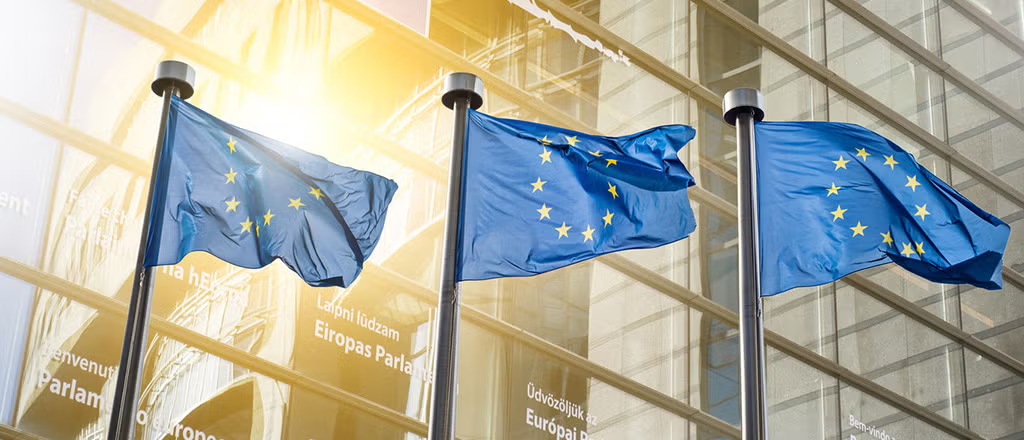
Europe’s banking sector is outperforming US counterparts this quarter as investors flock to high-yield assets and subordinate bank debt, buoyed by stable monetary policy and robust systemic fundamentals.
European commercial real estate remains mired in what analysts call “zombieland,” with transaction volumes, valuations, and lending activity all struggling to recover from the sharp repricing triggered by higher interest rates and tighter financial conditions.
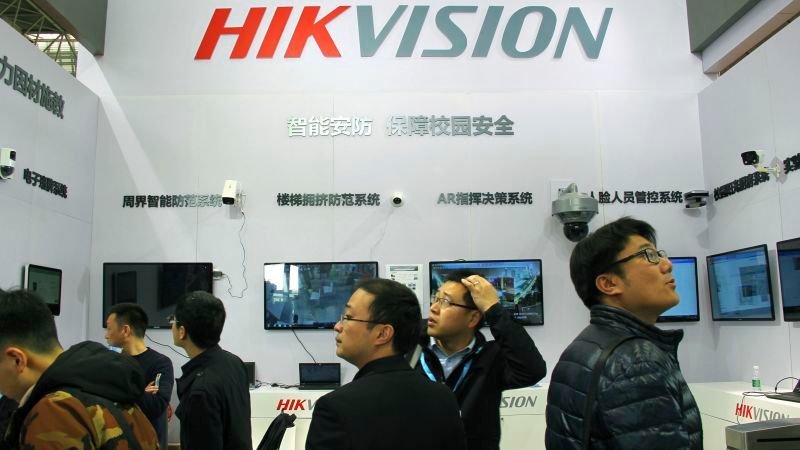
Chinese surveillance giant Hikvision filed a lawsuit against the US Federal Communications Commission (FCC) challenging a ban labeling its equipment a national security threat. The company argues the decision lacks evidence and violates due process, seeking to overturn restrictions blocking federal sales and subsidies. This marks a rare legal pushback from a Chinese firm amid escalating US-China tech tensions. The FCC’s November ruling under the Secure and Trusted Communications Networks Act cited risks of espionage via Hikvision’s cameras, which hold significant US market share in government and critical infrastructure. Hikvision counters that no breaches have been documented, attributing bans to protectionism favoring American rivals like Motorola Solutions. The suit demands reinstatement of $500 million in contracts and challenges the FCC’s authority to designate without trial. Background traces to 2019 blacklisting under Trump-era policies, expanded by Biden and now President Trump’s administration emphasizing supply chain security. Hikvision, 40% state-owned, supplies 30% of global video surveillance but faces global scrutiny, including UK and Australian bans. Legal experts predict prolonged litigation, potentially reaching the Supreme Court. The case underscores bifurcating global tech ecosystems, with US firms like NVIDIA pivoting to domestic chips. Victory for Hikvision could embolden Huawei’s appeals, but analysts foresee rejection amid bipartisan consensus on China risks. Resolution may reshape $100 billion US security tech procurement.
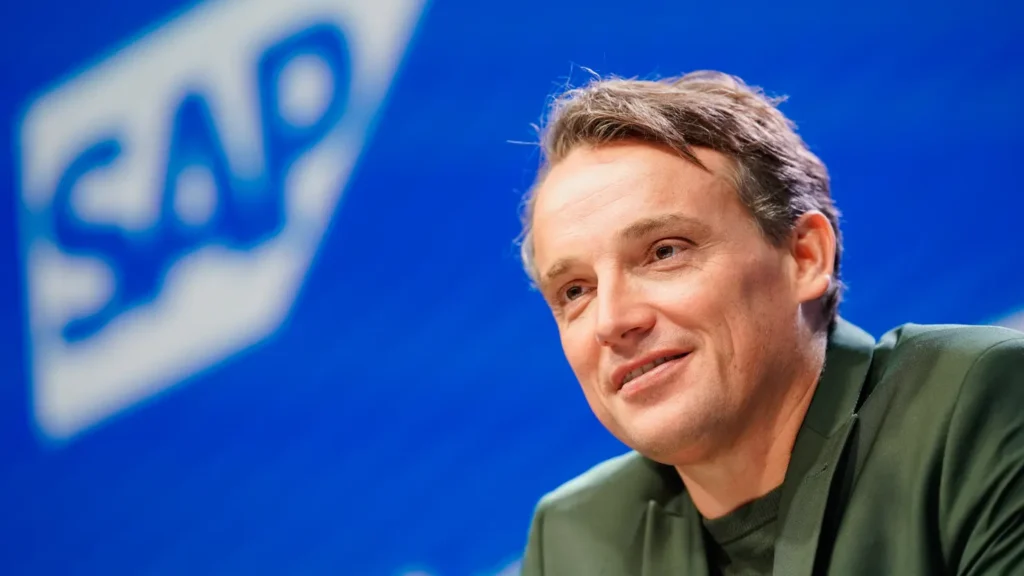
SAP CEO Christian Klein cautioned European governments against overly stringent AI regulations that could hinder the continent’s competitiveness against the US and China. Speaking at a recent industry forum, Klein emphasized that while ethical safeguards are essential, excessive bureaucracy stifles innovation in critical technologies like generative AI. Europe’s tech sector, already trailing in scalability, faces further risks if policymakers prioritize caution over agility. Klein’s remarks come amid growing concerns over the EU AI Act, which imposes tiered risk classifications on AI systems, mandating transparency and audits for high-risk applications. Proponents argue it sets a global standard for trustworthy AI, but critics, including Klein, warn it burdens startups with compliance costs exceeding those in less regulated markets. SAP, Europe’s largest software firm by market cap, has invested heavily in AI integrations for enterprise resource planning, positioning itself to benefit from balanced policies. The warning resonates as OECD data reveals Europe lagging in AI adoption, particularly among younger demographics. US giants like OpenAI and Chinese firms dominate model training due to fewer hurdles, capturing market share in cloud AI services. Klein urged a “regulate-to-innovate” approach, citing Denmark’s flexible framework as a model. Failure to adapt could exacerbate Europe’s brain drain, with talent migrating to Silicon Valley hubs. Analysis suggests Klein’s plea aligns with broader industry lobbying, including from ASML and Siemens executives. Recent EU funding rounds, like the €5.2 billion Innovation Fund for clean tech, show promise but must extend to digital realms. If unheeded, Europe risks becoming a regulator rather than a leader, ceding economic ground in a projected $15 trillion AI economy by 2030.
African regulators intensified forex and CFD oversight in 2025, targeting scams and aligning with FATF anti-money laundering standards from South Africa to Kenya. South Africa’s FSCA imposed stricter licensing, real-time reporting, client fund segregation, and enhanced KYC/AML, with 2024/25 enforcement debarring 131 individuals and withdrawing 382 licenses. Kenya’s CMA and Nigeria’s SEC banned unregulated brokers, launched education campaigns, and mandated AML checks, while the new Virtual Asset Service Providers Act requires VASPs’ digital compliance. Ghana’s push for retail forex licensing formalizes margin trading amid rising scams. These measures raise barriers for non-compliant brokerages but foster market maturity, attracting authorized players like EBC Financial Group. FSCA’s 2025-2028 strategy prioritizes conduct oversight for online platforms, with ongoing audits and penalties deterring misuse of client funds. Social media fraud warnings highlight impersonator brokers targeting retail traders, prompting public alerts. Forex leverage caps and transparency rules mirror EU MiFID III trends, impacting cross-border operations. Brokerage firms face higher capital needs but benefit from investor trust, boosting volumes in regulated pairs like USD/ZAR. Regional ties to Europe and U.S. amplify scrutiny: SARB’s exchange guidelines guide corporate flows. Latin America’s trade resilience offers forex opportunities, as African exports stabilize currencies. U.S. tariffs indirectly support commodity prices, aiding African FX. Alignment with global standards positions Africa for institutional inflows, though short-term disruptions hit unlicensed players. Retail protection trumps volume, ensuring sustainable growth amid Trump’s dollar-strong policies.

December’s “Santa Claus rally” gained momentum in 2025, with European markets posting consistent gains rooted in decades of seasonal patterns and institutional buying. The EURO STOXX 50 has averaged 1.87% December returns since 1987, positive 71% of the time—second only to November—while the DAX shows 2.18% averages with 73% win rates. Late-month surges dominate: from December 15 to year-end, EURO STOXX delivers 2.12% on average (76% positive), fueled by fund managers’ year-end rebalancing. Easing eurozone inflation and ECB rate-cut bets extend this tailwind, contrasting early-year sideways trading. Fund manager behavior drives much of the phenomenon, as “price maintenance” prompts buying of strong performers to enhance client reports. Seasonax analyst Christoph Geyer notes this intensifies in range-bound years like 2025’s DAX since May, with mid-November to early-January patterns favoring 6%+ gains in 34 of 46 years. U.S. parallels reinforce credibility: S&P 500 December gains occur 74% of the time at 1.44% average. Country indices align—CAC 40 at 1.57% (70% positive), IBEX 35 at 1.12%—building late-December steam. Brokerage trading volumes spiked in derivatives tied to these indices, with forex pairs like EUR/USD reflecting rate divergence hopes. European stocks’ undervaluation, per Yahoo Finance, supports earnings-driven upside at 21.4% growth. Global spillovers include U.S. Wall Street’s sideways churn ahead of Fed decisions, impacting cross-Atlantic flows. African and Latin brokerage sectors watch closely, as euro strength aids commodity-linked currencies. While past performance offers no guarantees, 2025’s setup—easing inflation, technical breakouts, and positioning—mirrors historical catalysts. Risks like U.S. tariffs under Trump could cap gains via dollar appreciation, but seasonal forces prevail. Investors eye U.S. inflation for confirmation, blending festive stats with macroeconomic reality.
European equities stabilized on Friday, December 5, 2025, after three days of gains, positioning major indices for weekly advances amid anticipation for U.S. inflation figures that could influence Federal Reserve policy.

South Africa is phasing out the Johannesburg Interbank Average Rate (JIBAR), a benchmark that has underpinned the country’s floating‑rate loans and derivatives markets
Spanish banking giant Banco Santander has been named “Bank of the Year” for Europe by The Banker magazine
European banks are ending 2025 in better capital and liquidity shape than they were a decade ago, yet supervisors are sounding increasingly concerned about what a “higher‑for‑longer”

A major gas company based in Teesside has called for an overhaul of the UK’s energy profits levy, warning that current policies risk job losses and deter critical investment in infrastructure. The firm argues that the levy, designed to tax excess profits from high energy prices, creates uncertainty and disincentives for future projects. It urges the government to revise the framework to balance raising revenue with maintaining competitiveness and energy security. The plea comes as the UK prepares for winter energy demands amid volatile markets.
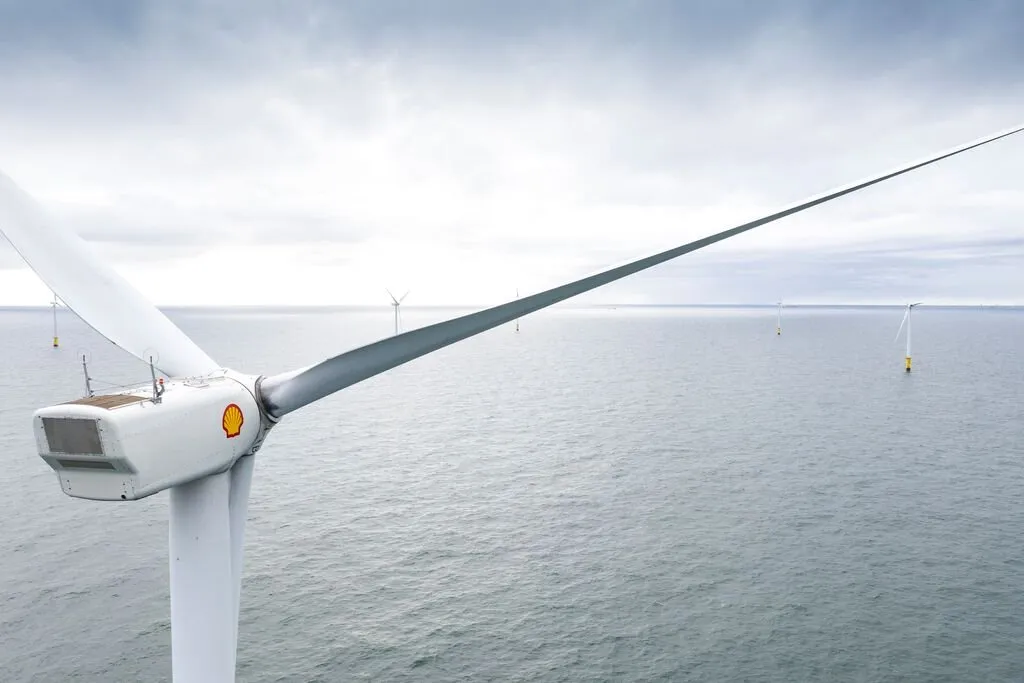
Shell has announced its exit from two offshore wind projects off the UK coast following a strategic review aligning with broader portfolio adjustments. The decision underscores Shell’s focus on maximizing capital efficiency while navigating challenges in the offshore wind sector, including supply chain disruptions and rising costs. Industry analysts foresee continued consolidation and partnerships as key features shaping the UK’s renewables landscape in coming years.
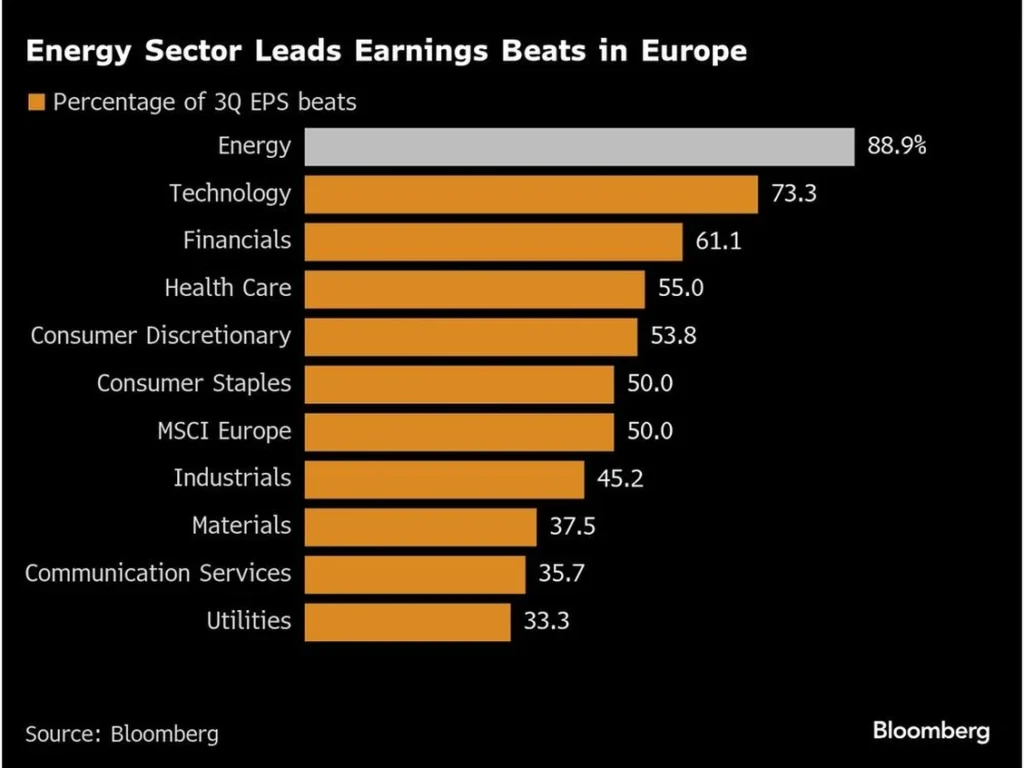
Europe’s major energy companies have posted stronger-than-expected financial results for the third quarter of 2025, driven by high refining margins and robust LNG demand. Companies like Shell, TotalEnergies, and BP benefited from optimized supply chains and spot market gains. The surge in liquefied natural gas demand, especially from Asia and the US, helped offset declining European gas prices. Executives remain cautious, monitoring potential demand shifts as renewable capacity expands and regulatory pressures increase.

The US government has urged European countries to continue prioritizing oil and gas supplies over a rapid shift to renewables, stressing energy security risks amid geopolitical tensions. US officials argue that while green energy is essential for the long term, Europe must ensure stable fossil fuel deliveries in the near term to avoid shortages and price spikes. The call comes amid a challenging winter outlook and concerns that some European nations may accelerate renewable adoption at the expense of traditional energy sources. Critics caution that this approach risks delaying climate goals but recognize the imperative for energy reliability.
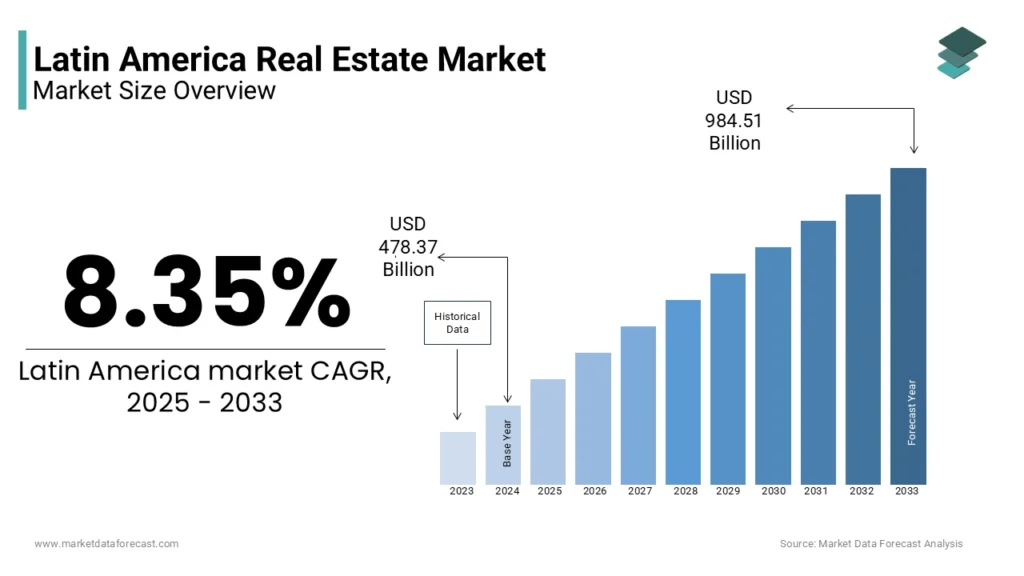
Latin America’s real estate market is forecast to double in value by 2033, supported by accelerating urbanization and ambitious affordable housing programs. Brazil’s government delivered 180,000 new affordable units in 2023, making São Paulo and Rio de Janeiro top destinations for development and investment. Cities like Bogotá and Santiago are experiencing a surge in villa and suburban housing, driven by urban professionals seeking more space. Investment is also flowing into mixed-use and smart city projects, reflecting demand for sustainable, amenity-rich environments across the region.

Investment in European commercial real estate is expected to reach €214 billion in 2025, led by strong interest in logistics, mixed-use, and green-certified projects. Sustained demand from institutional investors reflects the appeal of stable, inflation-resistant assets. Growth sectors include last-mile logistics, student housing, and high-tech office spaces. Market sentiment, however, remains pragmatic, with 2026 projections indicating lower growth and heightened attention to asset selection amid economic uncertainty.
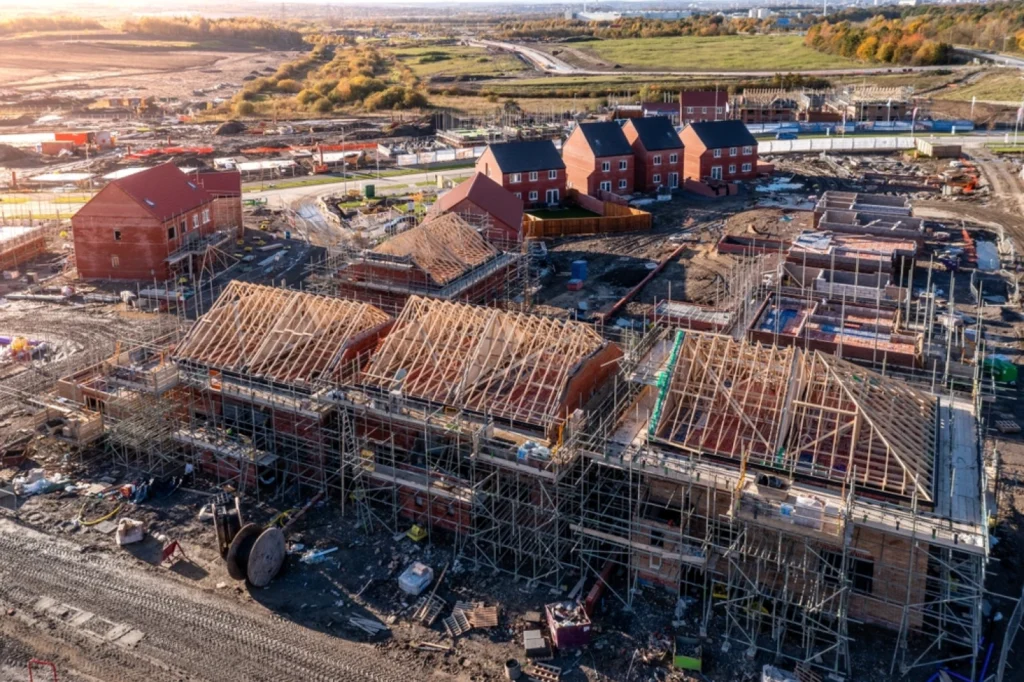
Rising prices and supply shortfalls across major European cities are fueling calls for comprehensive policy reform and deeper private-public cooperation. New partnerships between governments and developers aim to unlock land, streamline approvals, and accelerate affordable housing construction. The focus is on balancing sustainability goals with the need for faster delivery, as shortages are particularly acute in technology and business hubs like London, Berlin, and Amsterdam. Industry leaders see logistics, data centers, and infrastructure as prime areas for profitable investment as the region contends with structural shifts in work and living patterns.

France has emerged as Europe’s housing market leader in 2025, posting a 10.4% increase in home sales, driven by robust demand in urban and coastal areas. The surge is attributed to government-backed lending programs and greater foreign investment, particularly in Paris and popular Mediterranean locations. Spain also recorded a 2.5% rise, signaling renewed confidence in vacation and second-home markets. By contrast, Poland’s market contracted nearly 18%, reflecting the impact of higher interest rates and slowing wage growth. Analysts warn that while some countries rebound, affordability concerns and limited supply could temper gains across the region in 2026.

Deepinder Goyal, widely recognized for his leadership in technology-driven innovation, currently spearheads the transformation of Eternal into a formidable ecosystem. Featured in Fortune India’s “India’s Best CEOs 2025” special issue, Goyal shared his journey of navigating market uncertainties by prioritizing agility, strategic partnerships, and customer-centric innovation.
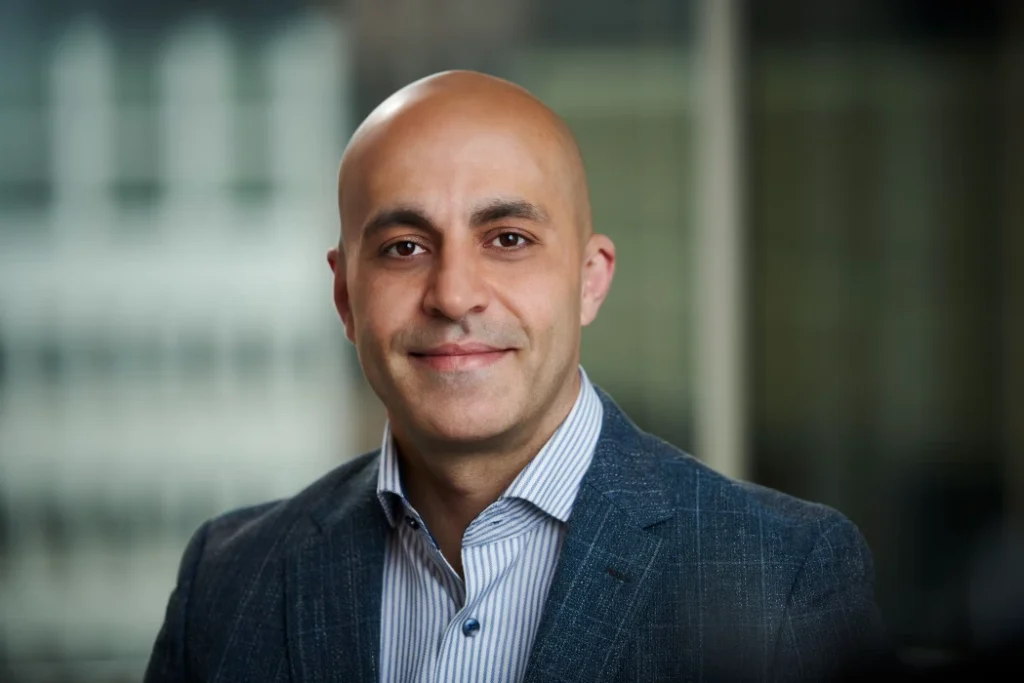
Databricks CEO Ali Ghodsi recently appeared on CNBC, where he articulated a bold vision for AI automation and strategic partnerships that are reshaping the company’s trajectory. Ghodsi explained how Databricks is leveraging data and AI to empower enterprises to harness automation, driving efficiency and innovation at scale. Central to Ghodsi’s strategy is breaking down data silos and democratizing access to AI tools across industries. He emphasized that the intersection of AI and cloud technology will fuel the next phase of industrial productivity. By creating an open platform, Databricks aims to foster collaboration among data scientists, engineers, and business users, accelerating AI adoption. Ghodsi also shed light on key partnerships with cloud giants and industry leaders, essential for broadening Databricks’ market reach and technology stack integration. He underlined the importance of ethical AI, ensuring transparency and mitigating bias in automated systems, a commitment that resonates amidst rising regulatory scrutiny. Looking forward, Ghodsi anticipates a future landscape where AI augmentation drastically enhances decision-making, operation workflows, and customer engagement. Through relentless innovation and strategic alliances, Databricks is positioned to be a cornerstone of this new economy.

Mike Gitlin, CEO of Capital Group, shared his investment philosophy in a November 2025 Barron’s interview, focusing on enduring value creation despite market volatility. Gitlin emphasized disciplined research and a multi-decade horizon as essential to navigating today’s economic uncertainty.

Palantir CEO Alex Karp outlined his perspective on the bifurcation of AI markets—distinguishing between enterprise AI and consumer AI. Karp emphasized that while enterprise AI focuses on solving complex organizational problems, consumer AI’s rapid adoption raises both expansive opportunities and ethical dilemmas.
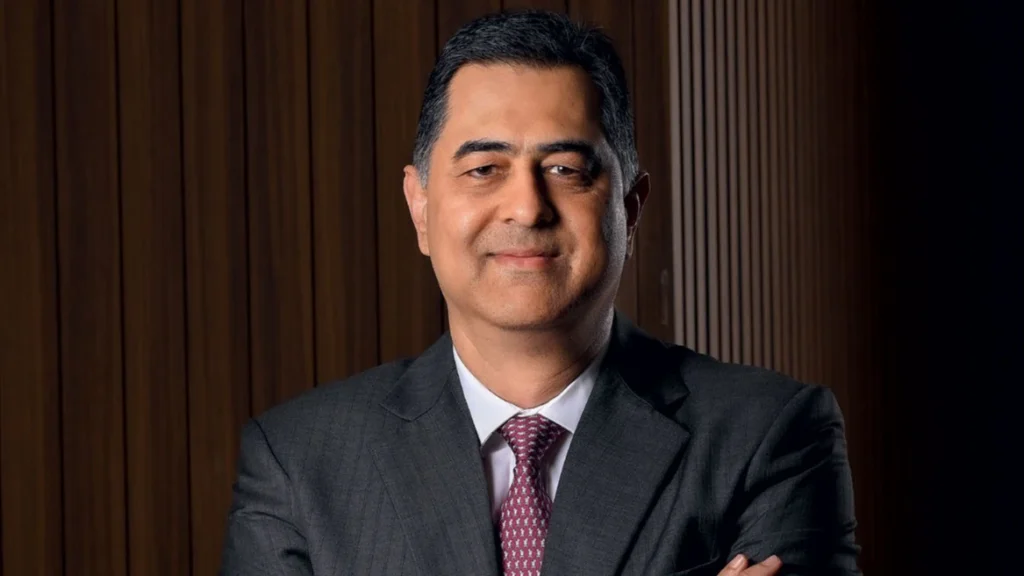
Kushal N. Desai, CEO of APAR Industries, delivered compelling insights on how top Indian CEOs are transforming challenges into opportunities amid global economic shifts. APAR, under Desai’s stewardship, has expanded beyond traditional manufacturing into advanced materials, aligning with emerging sustainable technologies.

Latin America is experiencing a rapid transformation in cross-border payments, with fintech-driven innovation setting new industry benchmarks for speed, transparency, and cost reductions. Banks and technology firms are partnering to enable real-time remittances, instant transaction confirmations, and clear fee disclosures for individuals and corporate clients. Broader adoption of digital financial infrastructure is breaking down traditional barriers to cross-border commerce, making international payments more accessible for a growing number of consumers in the region.

Paraguay’s stellar economic performance has earned it investment grade status from leading credit agencies, unlocking new opportunities for banking sector growth and foreign direct investment. The upgrade is attributed to Paraguay’s prudent fiscal management, expanding export sectors, and improvements in governance. Local banks are expected to benefit from greater access to affordable funding while enabling more robust lending to private sector clients. Analysts anticipate this positive rating will encourage further reforms in the financial sector and catalyze additional regional investments.

Central banks across Latin America face steep challenges aiming to curb stubborn inflation, with Brazil leading the region in maintaining a tight monetary policy stance. Brazil’s central bank has signaled it will keep policy rates high into the foreseeable future, citing persistent inflationary pressures. Other major economies, such as Mexico and Chile, are adopting a mix of rate hikes and macroprudential measures to strike a balance between stability and growth. The efforts are monitored by international investors who see the region’s flexible and pragmatic policymaking as crucial to attracting sustainable, long-term capital inflows.

Brazil has cemented its position as the leading open finance market in Latin America, witnessing a surge in data-sharing volumes and API-driven innovations throughout 2025. The country’s vibrant fintech sector has propelled growth in open banking and finance, with millions of consumers and businesses benefitting from simplified account aggregation, improved lending products, and real-time payment services. Regulatory frameworks have been crucial in standardizing interfaces and ensuring privacy and security, drawing praise from the international community. This rapid digital transformation is not only increasing competition but also broadening financial access and deepening capital market development in Brazil and the wider Latin American region.

The Central Bank of Ireland has issued a warning about the changing nature of fraud threats facing the country’s financial institutions, following new cases involving crypto firms and advances in online scam techniques. Recent enforcement actions include strong sanctions on a crypto firm for failures in anti-money laundering (AML) compliance, underscoring banks’ responsibilities in vetting new entrants to the financial system. The bank also highlights an uptick in ‘deepfake’ and social engineering scams, urging both banks and consumers to be vigilant. Regulatory bodies are working closely with law enforcement and technology platforms to develop countermeasures, while emphasizing the importance of customer education and cross-border collaboration.

The European Central Bank (ECB) has announced that banks’ climate risk management and sustainability credentials have become crucial factors in evaluating creditworthiness in the euro area. In its latest guidance, the ECB underscores that climate-related financial risk will directly influence how euro area banks are assessed for access to central bank credit. Institutions making progress on emissions reduction and green financing will have greater access to funding, while laggards could face tougher borrowing conditions. The ECB’s move aligns with broader EU climate goals and is expected to incentivize integration of environmental risk analysis within European banking strategies, promoting a shift to greener investments and project financing.

Europe’s banking sector is outperforming US counterparts this quarter as investors flock to high-yield assets and subordinate bank debt, buoyed by stable monetary policy and robust systemic fundamentals. With ECB policies offering clarity and commitment, European banks have delivered a 45% gain in equity year-to-date. Investors are drawn by high-quality subordinated debt offerings, which provide better risk-adjusted yields than US counterparts. Europe’s banking system, seen as structurally sounder than in previous years, is also benefitting from renewed global investor confidence in light of ongoing US political and monetary uncertainty. The sector’s current momentum reflects broader economic optimism and continued trust in regulatory stewardship in the Eurozone.

Italy’s leading banks have voiced strong backing for the digital euro, but caution that its rollout should be phased to help offset the substantial cost of transition and integration into daily banking operations. Italy’s banking sector, represented by major associations, supports the European Central Bank’s (ECB) pilot to create a digital euro as a secure, widely accessible form of money. Bank executives argue that costs tied to IT upgrades, staff training, and customer engagement could burden institutions if introduced too rapidly. They call for a gradual adoption strategy, wherein expenses can be managed over several years, preventing disruption to current services and business models. Analysts believe the digital euro could enhance transaction efficiency and cross-border payments but stress the importance of careful planning to sustain trust and stability in Europe’s banking landscape.
Deutsche Bank is on the verge of finalizing a significant €1 billion synthetic risk transfer (SRT) transaction with the European Investment Fund, marking a major step in risk management and capital optimization for one of Europe’s largest financial institutions. The SRT deal is anticipated to allow Deutsche Bank to free up capital and better manage its credit exposure, a move that bolsters resilience in a fluctuating global economy. The European Investment Fund will assume a slice of risk from over €10 billion in corporate loans, supporting more stable balance sheets for the German lender while incentivizing continued lending to the real economy. The agreement points to increasing private and public sector cooperation in broadening access to capital and ensuring liquidity remains robust amid evolving regulatory requirements. Market analysts view the transaction as a sign of strengthening risk management frameworks in the eurozone banking system.

Premium Smartphone Market Witnesses Unprecedented Innovation Wave October 2025 is emerging as a landmark month for the global smartphone industry, with major manufacturers including OnePlus, Vivo, OPPO, and iQOO preparing to unveil their next-generation flagship devices. These launches represent significant technological advances in processing power, camera capabilities, and artificial intelligence integration that are reshaping consumer expectations for premium mobile devices. The OnePlus 15, expected to make its global debut in October, represents a significant leap forward in smartphone technology. The device will be powered by the Qualcomm Snapdragon 8 Elite Gen 5 processor, paired with 12GB of RAM and 256GB of internal storage, delivering unprecedented performance for mobile computing applications. The smartphone features a revolutionary triple rear camera setup with three 50MP sensors, providing professional-grade photography capabilities across ultra-wide, main, and telephoto configurations. One of the most impressive specifications of the OnePlus 15 is its 6.78-inch LTPO OLED display with a remarkable 165Hz refresh rate, offering incredibly smooth visual experiences for gaming, video content, and general usage. The device is powered by a massive 7000mAh battery coupled with 120W fast charging support, addressing one of the most common consumer concerns about smartphone battery life and charging speed. Vivo X300 Series: AI-Powered Photography Innovation The Vivo X300 Pro, confirmed to launch in India on October 13, 2025, showcases the company’s commitment to computational photography and artificial intelligence integration. The device will run on the MediaTek Dimensity 9500 processor paired with 12GB of RAM and 256GB of internal storage, providing flagship-level performance optimized for AI-enhanced features. The standout feature of the Vivo X300 Pro is its triple rear camera system, headlined by a 200MP periscope telephoto shooter that promises to revolutionize mobile photography capabilities. This advanced camera system leverages artificial intelligence for scene recognition, optimization, and post-processing, enabling users to capture professional-quality images in various lighting conditions and scenarios. Market Context and Industry Trends The October 2025 smartphone launches reflect broader industry trends toward AI integration, enhanced computational photography, and improved battery technology. Manufacturers are increasingly focusing on differentiating their devices through advanced camera capabilities, with AI-powered features becoming standard across flagship models. The OPPO Find X9 Ultra, expected to launch on October 16, will also feature the MediaTek Dimensity 9500 processor, indicating the growing competition between Qualcomm and MediaTek in the premium smartphone processor market. This competition is driving rapid innovation in mobile chipset design, with both companies pushing the boundaries of performance, efficiency, and AI capabilities. These launches come at a critical time for the smartphone industry, as manufacturers seek to reignite consumer interest in premium devices following several quarters of declining sales. The integration of advanced AI features, improved camera systems, and enhanced battery technology represents the industry’s response to evolving consumer preferences and the increasing importance of mobile devices in daily life. The concentration of major launches in October 2025 suggests that manufacturers are positioning their devices for the crucial fourth-quarter sales period, targeting both domestic and international markets with feature-rich flagship smartphones designed to compete directly with established leaders in the premium segment. Future Implications for Mobile Technology These upcoming launches signal the smartphone industry’s continued evolution toward AI-centric devices that serve as comprehensive digital assistants rather than simple communication tools. The emphasis on computational photography, extended battery life, and high-performance processing indicates that smartphones are becoming increasingly sophisticated computing platforms capable of handling complex tasks previously reserved for laptops and desktop computers. The competitive landscape in October 2025 demonstrates the rapid pace of innovation in mobile technology, with manufacturers pushing the boundaries of what’s possible in portable computing devices while maintaining the form factors and user experiences that consumers expect from premium smartphones.

SpaceX announced its acquisition of EchoStar’s AWS-4 and H-Block spectrum licenses in a transaction valued at up to $17 billion, marking one of the most significant deals in satellite communications history.
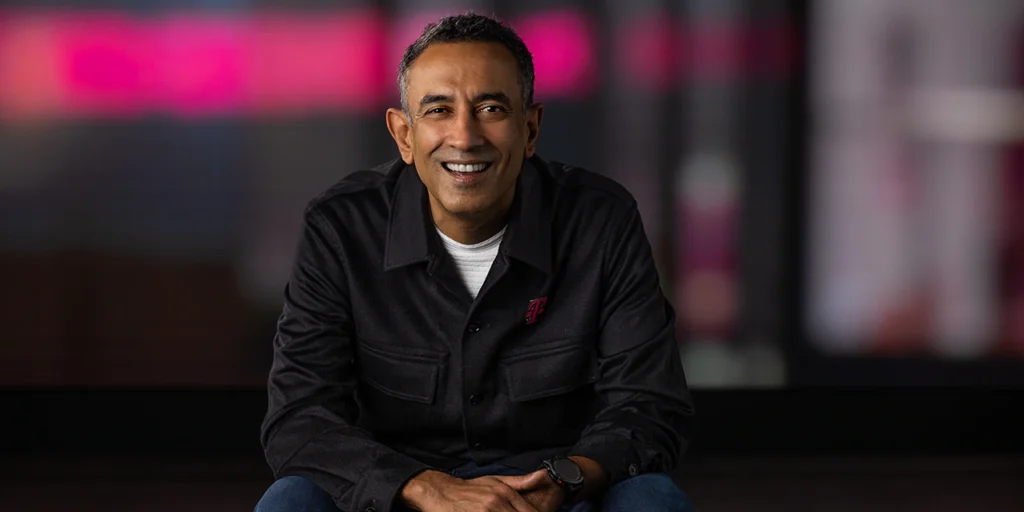
T-Mobile has announced a significant leadership transition that signals the company’s commitment to accelerating its 5G and artificial intelligence strategy.

The partnership will deploy at least 10 gigawatts of NVIDIA systems for OpenAI’s next-generation AI infrastructure, including millions of GPUs powered by the upcoming NVIDIA Vera Rubin platform.