
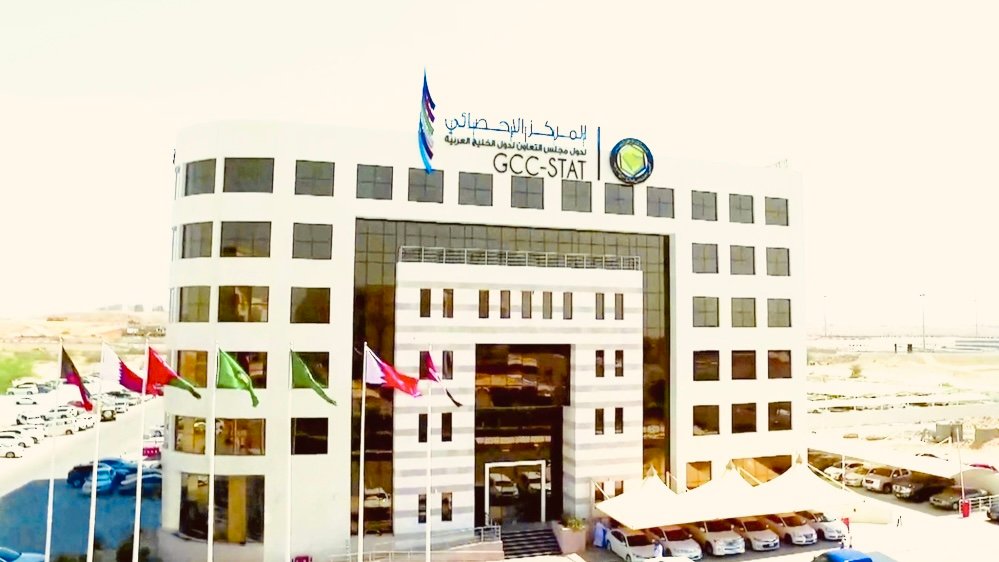
Gulf banks entered the second half of 2026 with clear balance-sheet strength, according to the Gulf Cooperation Council Secretariat. Total commercial bank assets across the GCC rose 3.9% by the end of June to more than $4 trillion, while deposits increased 6% to about $2.45 trillion.
Those numbers matter because they show the region’s banking system is still expanding at a healthy pace even after a period of intense geopolitical tension and shifting market sentiment. The asset base has crossed a symbolic threshold, but the more important detail is the quality of that growth. Strong deposit formation gives banks a stable funding base, which helps them support lending without leaning too heavily on more expensive wholesale sources.
Secretary General Jasem Mohamed Albudaiwi said the sector has maintained resilience and stability because of advanced regulatory and supervisory frameworks, strong liquidity and solid capital adequacy. His comments frame the GCC banking sector as one of the region’s most reliable economic buffers at a time when many external risks remain unresolved.
The central funding story is straightforward. When deposits rise faster than or in line with risk appetite, banks gain room to extend credit to companies and households while keeping liquidity pressure under control. In practical terms, that can support mortgages, corporate project finance, trade-related lending and government-linked investment activity across the Gulf.
The GCC data also suggests that the region is not merely relying on oil-linked cash flows or short-term borrowing cycles. Net foreign assets held by GCC central banks stood at about $829 billion by the end of June 2026, equal to roughly 11 months of import cover. That is an important cushion because it gives policymakers and lenders more room to absorb shocks if trade flows, commodity prices or capital markets turn less favorable.
The resilience message is also important from a competition standpoint. Gulf banks face growing pressure to digitize, raise efficiency and keep profitability high while competing for deposits and high-quality borrowers. Yet the latest numbers show they are doing that from a position of strength rather than stress.
That strength also has implications for economic diversification. Across the GCC, banks are a core financing channel for infrastructure, housing, logistics, industrial development and private-sector growth. If deposits and assets keep rising together, banks can continue backing those priorities at scale, which helps governments avoid overdependence on public spending alone.
The broader context is equally supportive. Banking systems with strong liquidity and capital buffers tend to be more flexible when external conditions become unpredictable. That can matter in the Gulf, where regional stability, energy markets and international financial conditions often move together in ways that influence credit demand and investor confidence.
For market watchers, the key point is that the latest GCC numbers are not just an accounting milestone. They signal that the banking sector remains central to the region’s economic story, with enough balance-sheet room to keep supporting growth even in a more uncertain environment.
The asset milestone also highlights how far the GCC banking industry has come in institutional depth. A system with more than $4 trillion in assets is no longer just a domestic funding machine; it is a major regional financial platform. That scale matters for cross-border lending, liquidity management and the ability to fund large development projects that require long horizons and dependable credit lines.
Another notable feature of the data is the balance between safety and expansion. Banks are not being forced to choose between growth and prudence, at least for now, because capital adequacy remains solid and liquidity remains comfortable. That combination gives lenders flexibility to compete for market share while still preserving conservative risk management.
The resilience message should also be read in light of recent banking-sector volatility elsewhere. Many global banks are dealing with slower lending, tighter funding and more caution around credit quality, but GCC lenders appear to be benefiting from stronger local deposit bases and firmer macroeconomic support. That relative advantage may help the region attract more financial activity over time.
As the year moves into its final quarter, banks in the Gulf will likely remain closely tied to public investment plans, private-sector lending and regional capital flows. For now, the headline is simple: the GCC banking sector has crossed another major threshold, and it is doing so with the kind of balance-sheet strength that gives policymakers and investors confidence.
