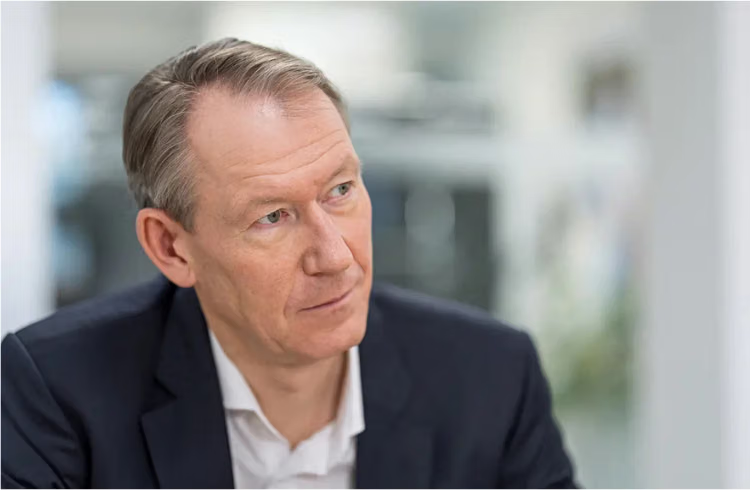
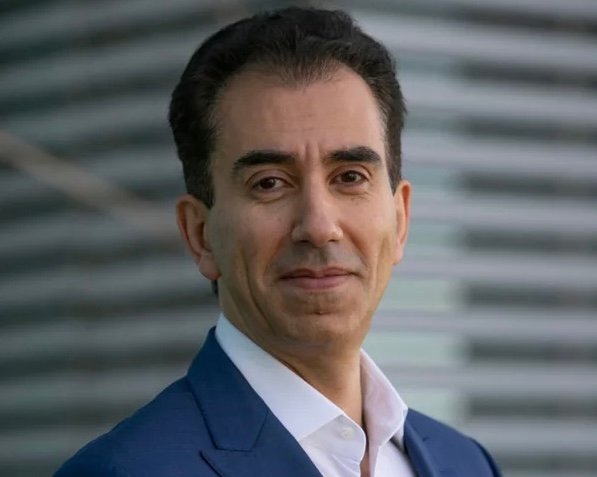
KPMG Middle East has appointed Islam Ahmad Al Bayaa as its incoming chief executive officer, with the transition set to take effect on October 1, 2026. The move follows an independent selection process led by the firm’s governance bodies, supported by external advisers and approved through a partner vote. It is one of the more notable leadership changes in the Middle East professional services market this year.
Al Bayaa will succeed Abdullah Al Fozan, who will complete his current term on September 30, 2026 and continue to lead the firm through the transition period. That sequencing is important because it gives the firm a long runway for handover rather than an abrupt change at the top. For a partnership-led business like KPMG, such a transition can help preserve client relationships, internal morale and strategic continuity.
The appointment also reflects how professional services firms in the region are managing leadership succession more formally. Governance, partner consensus and orderly transition planning are becoming more visible as firms adapt to a larger and more competitive market. KPMG’s process shows that leadership selection is increasingly tied to institutional discipline rather than simple tenure or personality.
That matters because the Middle East’s advisory and audit markets are being shaped by corporate transformation, public-sector change and cross-border expansion. Firms need leaders who can balance local market understanding with regional scale. Al Bayaa’s appointment suggests KPMG wants exactly that kind of combination as it pushes forward in a market where clients are seeking broader advisory support.
The announcement was made in mid-May, making it a recent leadership story and not an older personnel update. It also sits alongside a wider wave of executive movement across the region, where banks, consultancies and holding companies have all been adjusting top teams. In that context, KPMG’s move stands out because it is both structured and forward-looking.
The transition period until October should allow the outgoing and incoming CEOs to align on strategy, client priorities and internal management. That is especially valuable in a professional services firm, where leadership changes can affect staff confidence as much as external perception. A smooth handover will likely reassure clients that the firm’s direction remains steady.
For the Middle East leadership market, the KPMG appointment is another sign that succession planning is becoming more sophisticated. It is not just about replacing a leader; it is about managing continuity while positioning the firm for its next phase of growth.