
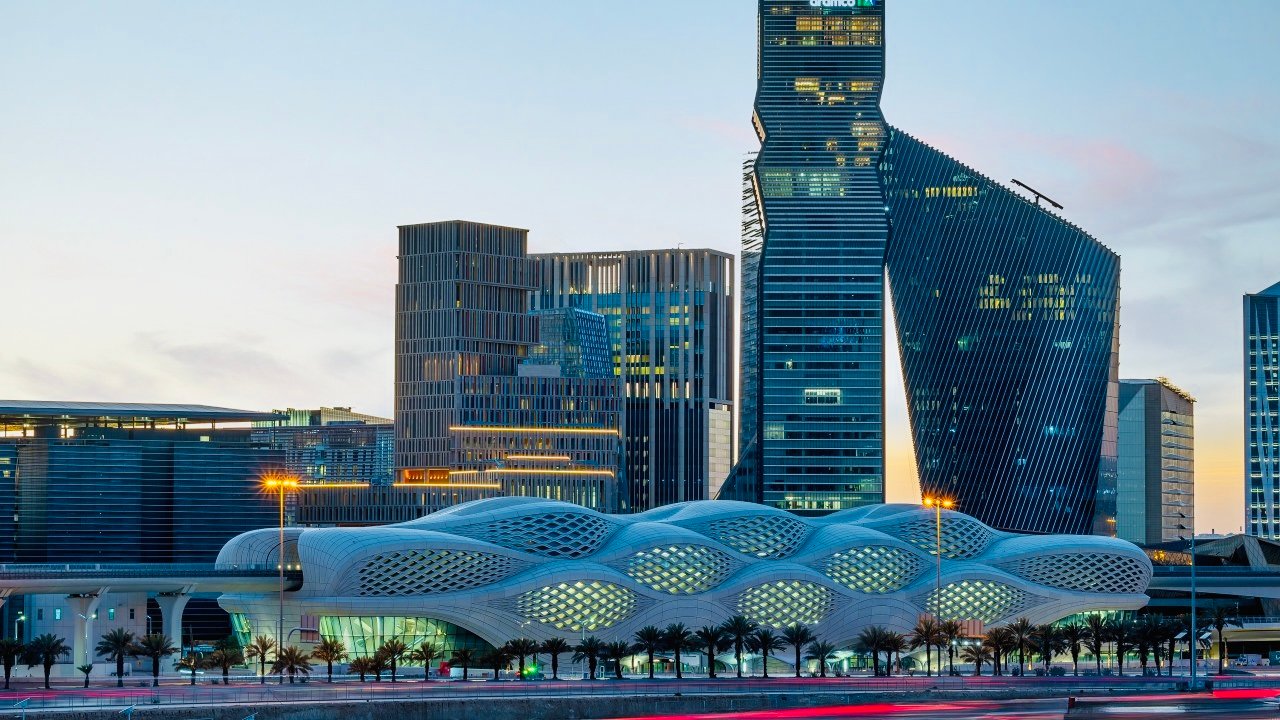
Saudi Arabia has formally opened its real estate market to non-Saudis under a new law that allows foreign individuals and legal entities to own property in designated areas, marking a major shift in the Kingdom’s property framework. The reform is part of broader economic changes tied to Vision 2030 and is designed to attract investment, deepen the housing market and expand the role of real estate in national growth. For investors, the law turns Saudi property from a largely domestic market into one with a clearer route for international participation.
The new regime came into force in January 2026, following Royal Decree No. M/14 issued in July 2025. Under the law, foreign ownership is allowed in regulated zones and for approved residential, commercial or investment purposes, subject to approval by the Real Estate General Authority. That permission-based structure is important because it gives the government control over where and how non-Saudis enter the market. It is a liberalization, but one with clear guardrails.
The law also sets out restrictions in areas of religious, strategic or regulatory significance, especially around Makkah and Madinah, where ownership rules remain tighter. That balance reflects the Kingdom’s attempt to attract capital while protecting key national priorities. In practical terms, it means foreign buyers, developers and investors can enter the market, but only within a defined legal framework.
The reform could have wide implications for the property sector. Saudi Arabia is already investing heavily in urban expansion, infrastructure and new city development, and the new law gives foreign capital a more direct way to participate. That may support projects in Riyadh, Jeddah and other growth centres, where demand for housing, commercial space and mixed-use development is expected to rise. It also creates a clearer path for licensed investors who want to own property for approved business activities.
The timing is significant because the Kingdom is trying to diversify its economy and broaden the appeal of its real estate market. Opening the sector to non-Saudis could increase liquidity, improve transparency and attract deeper institutional participation. It also aligns Saudi Arabia more closely with the regional competition for property investment, particularly as the UAE and Qatar continue to market themselves aggressively to foreign buyers. In that sense, the law is both an economic reform and a strategic move to keep Saudi Arabia competitive.
There are, however, still questions around implementation. The authority will need to manage approvals carefully, ensure compliance and decide how the rules apply across different zones and ownership structures. Investors will also want clarity on taxation, transfer procedures and any future limits that may be imposed through regulation. Those details will shape how quickly the law translates into actual market activity.
Even so, the direction is clear. Saudi Arabia is moving toward a more open, more structured and more investable real estate market. For developers, brokers and foreign capital providers, the new framework opens a fresh chapter in the Kingdom’s property story.