
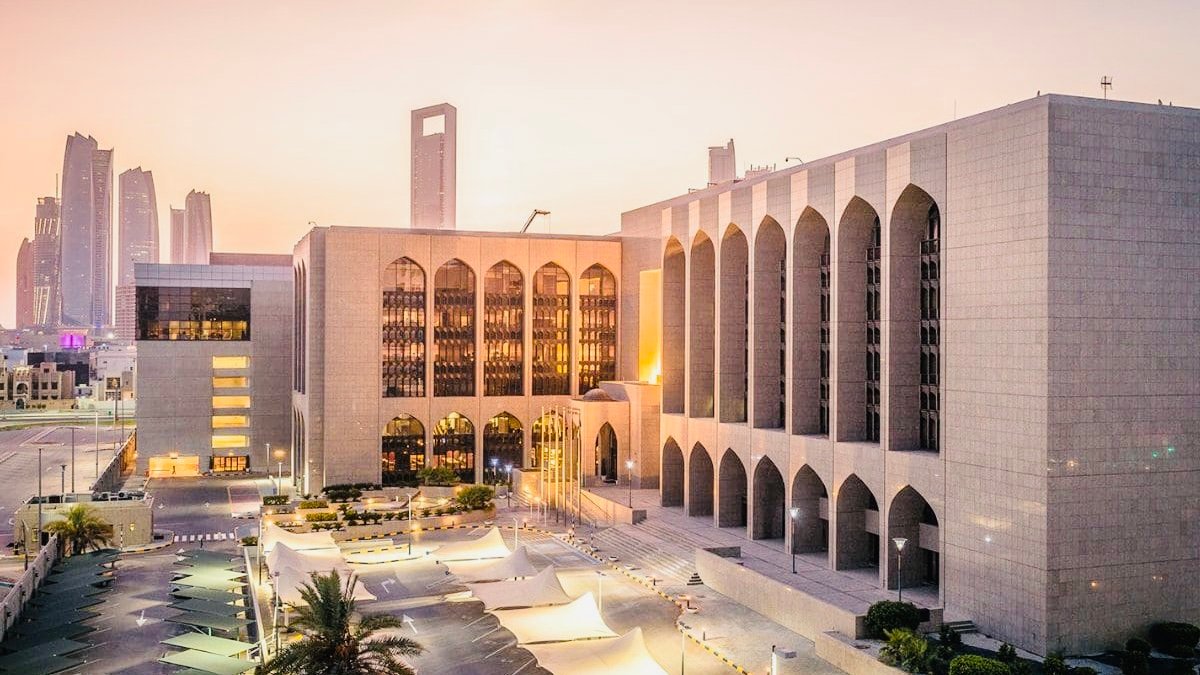
The UAE Central Bank has moved quickly to reassure markets that the country’s banking and financial sector remains resilient, stable and fully operational despite the regional conflict. Governor Khaled Mohamed Balama said the sector’s capital adequacy ratio stands at 17 per cent and its liquidity coverage ratio exceeds 146.6 per cent, both comfortably above international minimum standards.
Those figures matter because they indicate that the UAE entered the crisis from a position of strength rather than stress. Total banking and financial sector assets now exceed AED 5.42 trillion, reflecting the depth of the system and the ability of institutions to absorb shocks while still serving customers and funding economic activity. The central bank also said banks, insurers and other financial firms continue to operate normally and have advanced risk-management and business-continuity frameworks in place.
That reassurance has helped anchor confidence after a volatile fortnight in which Gulf offices, branches and capital markets were rattled by the Iran war’s spillover effects. It also explains why the UAE has been able to resist the kind of banking stress that can emerge when geopolitics disrupt everyday operations. Unlike a credit event driven by bad loans or capital erosion, this is primarily a shock to perceptions, logistics and staff security.
The central bank’s message is designed to prevent that perception shock from becoming a funding shock. If depositors, counterparties and investors believe the system is well capitalised and liquid, they are less likely to react defensively, even as regional headlines worsen. That is why repeated references to stress testing, monitoring and business continuity are so important: they signal that the regulator is watching closely and expects banks to keep credit and payment channels open.
The UAE’s response also positions it as the Gulf’s anchor market at a time when some foreign lenders are scaling back office presence or activating remote work plans. The contrast is sharp: while overseas banks are evacuating staff and reassessing exposure, the domestic system is being presented as calm, liquid and prepared. That message will be crucial if the conflict drags on, because the UAE’s role as a regional hub depends not just on openness, but on trust that the financial system can keep operating under pressure. The immediate takeaway is straightforward. The UAE banking system is still open, still liquid and still well capitalised, but its resilience is now being tested in public.