
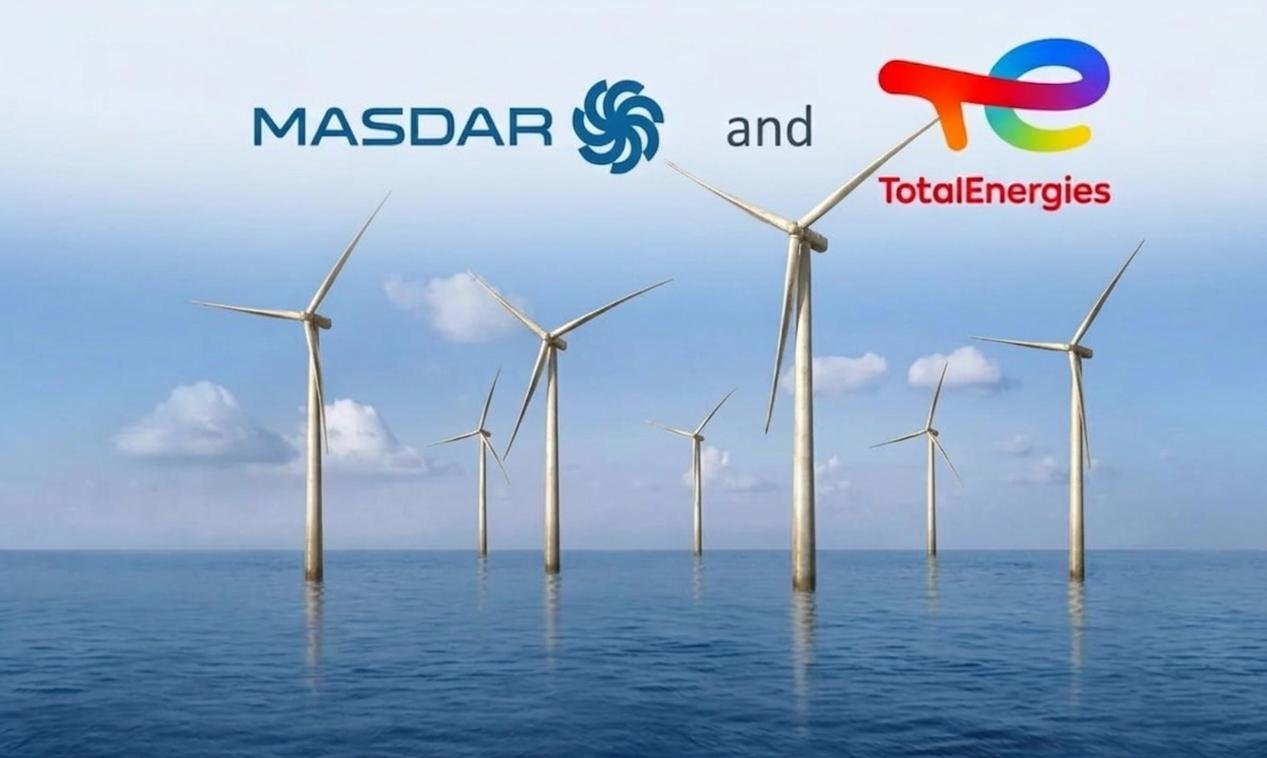
TotalEnergies and Abu Dhabi‑based Masdar have signed a binding agreement to create a 50/50 joint venture worth about $2.2 billion that will combine their onshore renewable assets across Asia. The JV will start with 3 gigawatts of operating solar and wind capacity and 6 gigawatts of projects in advanced development, targeting full operation by 2030 and positioning the two partners at the heart of fast‑growing Asia‑Pacific power markets. For TotalEnergies, the deal is a concrete step toward building an integrated power business that can rival its legacy oil and gas cash‑flow engine.
The new platform will act as the sole vehicle for both companies to develop, build, own and operate onshore solar, wind and battery‑storage projects in countries including Indonesia, Japan, Kazakhstan, Malaysia, the Philippines, Singapore, South Korea, Uzbekistan and Azerbaijan. Headquartered in Abu Dhabi Global Market, the JV leverages TotalEnergies’ global project‑execution capabilities, risk‑management expertise and balance‑sheet strength with Masdar’s regional relationships and deep experience in large‑scale renewables deployments. Together, they aim to capture a meaningful share of Asia’s rising electricity demand, which is expected to be among the fastest‑growing in the world this decade.
For oil majors, the move illustrates a broader pivot from pure‑upstream hydrocarbon bets to integrated power portfolios. By embedding renewables and storage into the same capital‑allocation framework as oil and gas, companies like TotalEnergies hope to smooth earnings volatility and meet increasingly tough climate‑disclosure rules. In Asia‑Pacific, that strategy also aligns with government targets to boost clean‑power capacity while avoiding the blackouts and grid‑stability issues that have plagued some fast‑growing economies. Still, integrating a wide‑ranging renewables pipeline comes with execution and regulatory risk. Land‑use policies, grid‑interconnection bottlenecks and local‑content rules vary sharply across the target markets, complicating uniform rollout. TotalEnergies and Masdar will need to balance local‑partnership requirements with their own global‑scale ambitions, while keeping returns high enough to justify the $2.2 billion equity outlay. If they succeed, the JV could become a template for other oil‑majors seeking to anchor their energy‑transition bets in Asia’s dynamic power landscape.