
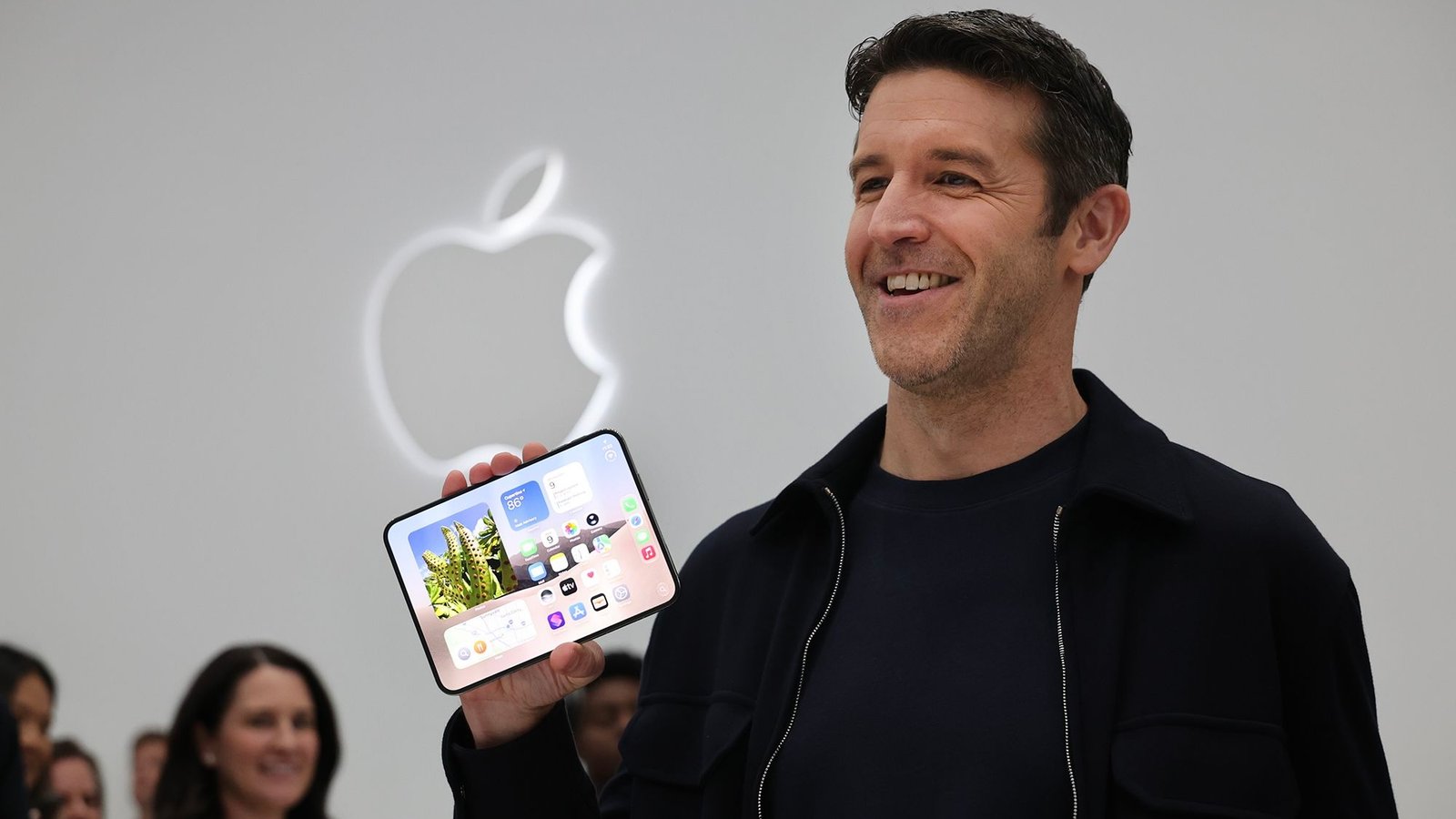
Apple used its first major product event under new CEO John Ternus to unveil a foldable iPhone and show that it still intends to set the pace in consumer hardware. The launch of the iPhone Duo, a $1,999 folding smartphone, marked one of the biggest changes to Apple’s flagship product line since the iPhone X.
The move matters because Apple has spent years watching rivals dominate the folding-phone category. By entering the market now, the company is betting that it can use design, software integration and brand power to persuade consumers to pay a premium for a new form factor.
The timing is equally important. This was the first major event under John Ternus as chief executive, and Wall Street was looking for proof that Apple could still deliver breakthrough hardware while also advancing its AI ambitions. The launch was designed to answer both questions at once.
The iPhone Duo opens to a 7.6-inch screen and starts at $1,999, putting it firmly in the premium end of the market. Apple also unveiled the iPhone 18 Pro line-up, reinforcing the idea that the foldable device is not a side experiment but part of a broader product refresh.
Analysts had already been expecting a foldable phone to be Apple’s headline move, but the company’s pricing shows it is targeting affluent buyers first. That approach is typical for Apple, which often uses premium launches to establish a category before pushing features into mainstream products later.
The launch also reflects a deeper strategic shift. Apple has been under pressure to demonstrate that it can remain relevant in the AI era, especially as competitors race ahead with generative AI tools, cloud integrations and new device categories. A bold hardware release helps reinforce Apple’s position as an innovation leader while the company continues to work on software capabilities such as Siri.
That balance between hardware and AI will define the Ternus era if the early signals hold. Investors want evidence that Apple can still produce highly differentiated devices, but they also want a credible answer to the AI race that has reshaped the technology sector. The event suggested Apple intends to pursue both paths at once.
The foldable iPhone itself is significant beyond the product category. Apple is known for entering late, refining the user experience and then using scale to transform a market. If the Duo succeeds, it could help validate the premium foldable segment and force other manufacturers to respond with stronger design and software integration.
The company’s presentation also placed a lot of weight on product quality. Reuters reported that analysts expect Apple to highlight sturdier hinges and reduced screen creasing, two of the biggest concerns in foldable phones. That focus on durability suggests Apple understands that mainstream buyers will only embrace foldables if the product feels reliable and polished.
There is also a pricing challenge. At $1,999, the Duo is expensive even by Apple standards, and analysts have said the device could cost more than $2,500 in some estimates. That makes the launch a test of whether Apple can sustain demand for a premium product in a market that is becoming more price-sensitive.
Still, Apple’s brand remains one of its strongest assets. If the company can make foldables feel desirable rather than experimental, it may unlock a new cycle of upgrade demand. The iPhone Duo could also become a status product that strengthens the company’s ecosystem, even if initial volumes remain limited.
For Apple, the event was as much about leadership as product. Ternus inherited a company facing heavy competition, rising AI expectations and pressure to produce another breakout device. By using his first big stage to introduce a foldable iPhone, he signaled continuity with Apple’s design-led identity while also showing willingness to move into a new category.
That message will matter to investors as they assess whether Apple can keep growing in a maturing smartphone market. Incremental updates are no longer enough; the company needs moments that can re-energize the brand and justify premium pricing. The foldable launch is Apple’s answer for now.
The next test will be execution. Apple must prove that the Duo can deliver a smooth user experience, avoid the durability problems that plagued early foldables and create enough demand to make the category meaningful. If it does, the device could become one of the defining products of the new CEO era.
In the broader technology landscape, Apple’s move shows that the hardware race is far from over. Even in an AI-dominated year, product design still has the power to reshape market expectations. With a new CEO at the helm and a foldable iPhone on stage, Apple has made clear that it intends to compete on both innovation and execution.
